Uruguay Trips & Guided Tours in 2026
¡Bienvenidos al Uruguay!
Little Uruguay has long flown under the travel radar, but those who take the time to visit will find impeccable beaches, buzzy cities, rolling gaucho country – and plenty of adventure.

Things to do and see
Experiences that define Uruguay
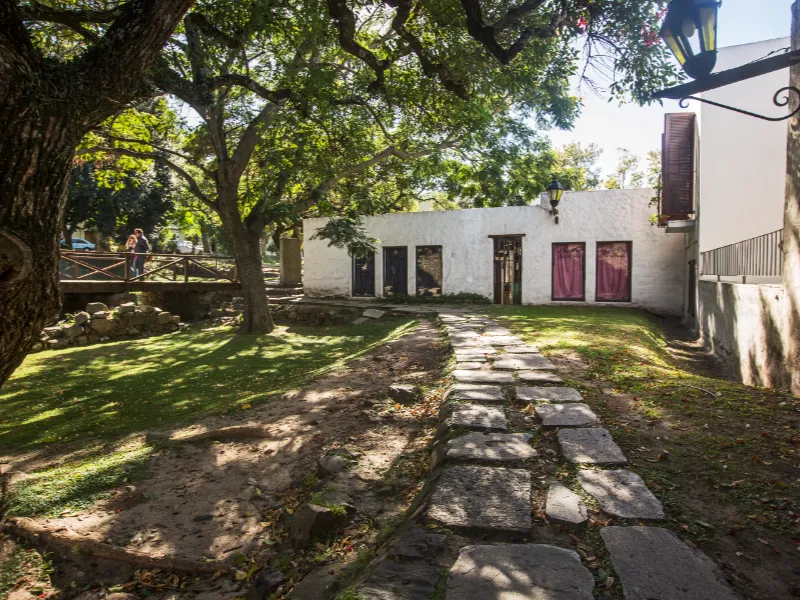
Colonia’s rich historyStep into Colonia del Sacramento’s rich history—cobblestone lanes, colonial sites, and riverfront charm across from Buenos Aires.
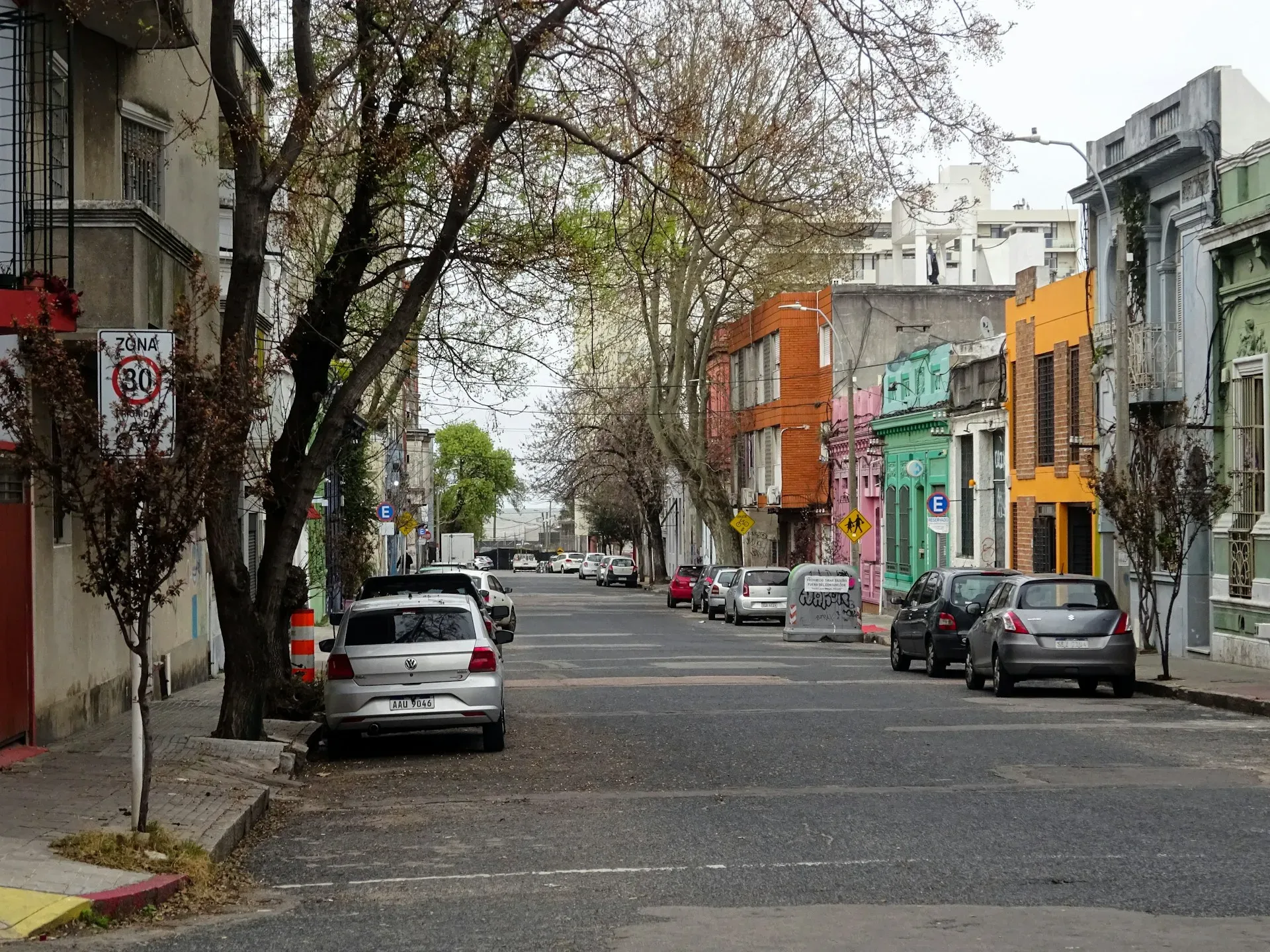
Montevideo's colourful streetsExplore Montevideo’s colourful streets—markets, murals, and coastal rambla vibes in Uruguay’s relaxed, culture-filled capital.

Football's Estadio CentarioVisit Estadio Centenario—Uruguay’s legendary football stadium and museum, a key site in World Cup history in Montevideo.
Museo del CarnavalDive into Uruguay’s carnival culture at Museo del Carnaval—costumes, music, and traditions that power Montevideo’s biggest celebrations.
Local wine tastingsTaste local wines—vineyards, regional varietals, and food pairings that showcase South America’s diverse wine regions.
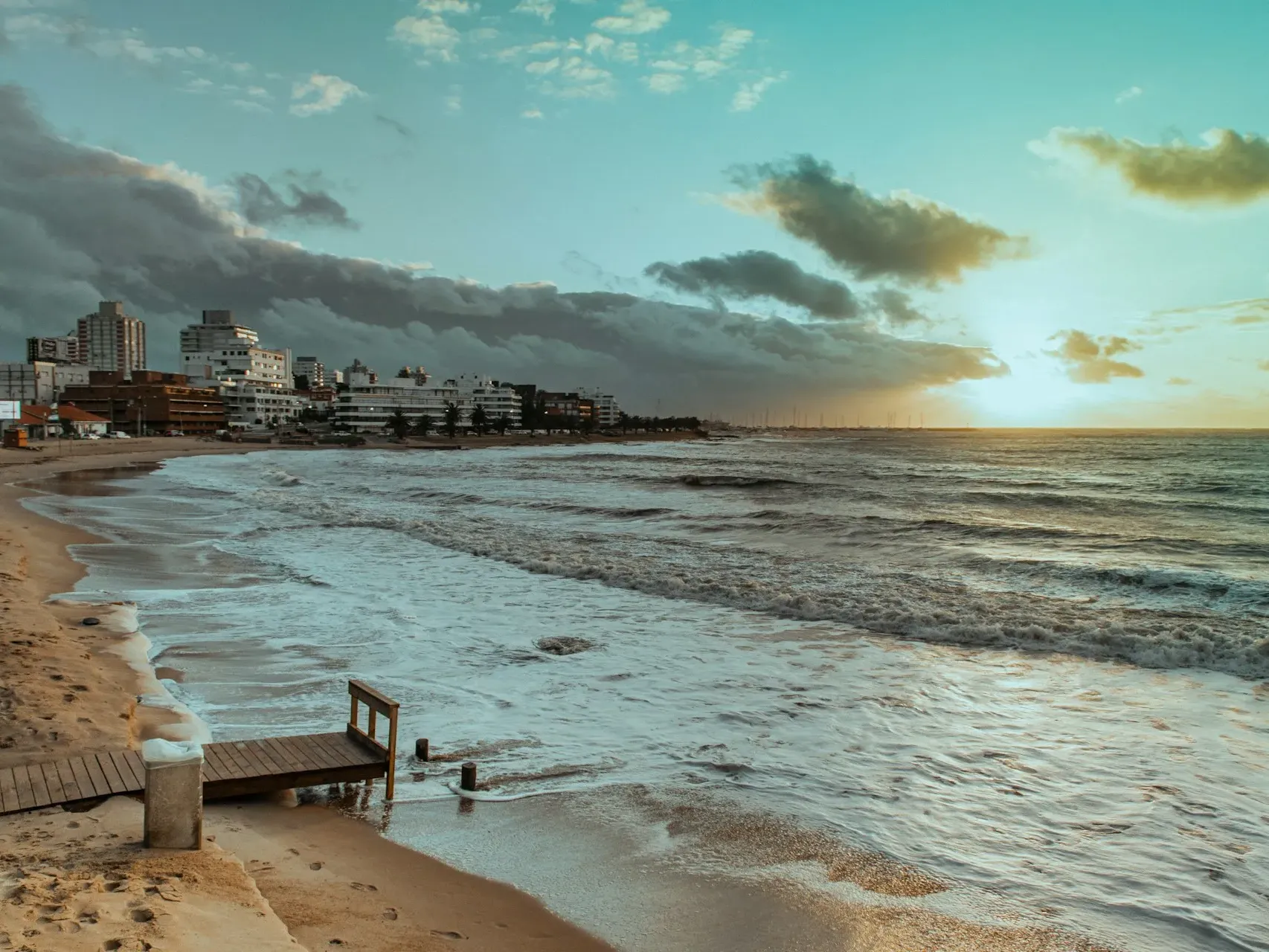
Punta del Este's beachesRelax on Punta del Este’s beaches—golden sand, Atlantic waves, and upscale resort vibes in Uruguay’s top seaside getaway.
Best time to travel
Beach & Wine Country Retreats
Dec-Mar: Warm summer for Punta del Este beaches, wine tours, and coastal getaways

Most popular time
December - February is perfect sun for coastal escapes

Most budget-friendly
May - September is off-season and cooler weather

Favourite season
Visit in summer (Dec–Feb) for beaches, festivals, and warm weather

Culturally significant times
Visit January - March for Carnival season
Need to know
Uruguay at a glance

Time Zone
Uruguay Standard Time (UTC -3)

Climate
Temperate with four distinct seasons

Currency
Uruguayan Peso (UYU)

Transportation
Buses, taxis, Montevideo bicycles

Local cuisine
Chivito (beef sandwich), asado (BBQ), dulce de leche

Languages Spoken
Spanish
Because planning should feel exciting, not exhausting
Frequently asked questions
Visa requirements may change, so for the most up to date information we recommend using our [Entry Requirements tool](https://www.gadventures.com/travel-and-visa-requirements/). Alternatively, check the Uruguayan embassy website in your country of departure.
Uruguay tends to experience a subtropical climate with mild winters and warm summers. December to March sees the warmest temperatures which usually range from 20 to 35°C (68 to 95°F) — expect plenty of sunshine during this time. Winter (June to August) sees temperatures generally float between 8 to 15°C (46.4 to 59°F), and Spring (March to May) and Autumn (September to November) fall somewhere in between. Rainfall tends to be consistent all year round, with an annual average of around 1,000 to 1,200 mm (39 to 47 inches).
There’s no bad time to visit Uruguay per se, though the best time to visit really depends on what you’re looking for. Summer (December to February) is the best time if you're looking to hit the beach and coastal towns like Punta del Este — Autumn (March to May) is the time to come if you want to go hiking or explore the country’s vineyards.
Spring (September to November) is also a good time to come if you’re wanting to explore the great outdoors, whereas Winter (June to August) can be a great time to explore tourist sites and attractions without the crowds.
It’s customary in Latin America to tip service providers such as waiters, at approximately 10%, depending on the service. Tipping is an expected — though not compulsory — component of your tour programme and an expression of satisfaction with the persons who have assisted you on your tour. Recommendations for tipping drivers and local guides would range from USD $5-10 per day depending on the quality and length of the service; ask your CEO for specific recommendations based on the circumstances and culture.
Also at the end of each trip if you felt your CEO did an outstanding job, then tipping is appreciated. The amount is entirely a personal preference, however as a guideline USD $20-25 per person, per week can be used.
Generally you’ll find pretty good internet all across Uruguay — particularly in towns and cities — with Wi-Fi found in most bars, restaurants, hotels and cafes.. Please be aware that if you’re in rural areas, it may not be as good.
Yes, there are ATMs available throughout Uruguay. You can find them in major cities, airports, bus stations, and at the port in the capital Montevideo. However, in more rural areas and smaller towns, they might be harder to find. Plan ahead and take cash with you as a backup.
There are two main networks of banks found here, Banred and Red BROU, both of which should accept all major networks of cards. You may be charged by your bank for withdrawal fees — check with your bank before travel.
As currency exchange rates can fluctuate often we ask that you refer to the following website for daily exchange rates: [www.xe.com](http://www.xe.com).
Yes, Uruguay is considered very LGBTQ+ friendly. The country has some of the most progressive LGBTQ+ rights in the world, and same-sex relationships have been legal here since 1934\. Public acceptance is high here, and you’ll find small gay scenes in major cities here like Montevideo.
As part of their commitment, all CEOs receive LGBTQ+ inclusion training so every traveller feels respected and welcomed on all of our tours. We commit to making our tours a safe and inclusive place for people to express their authentic selves without judgement, free from any discriminatory language or harassment.
While travelling with G Adventures, all travellers must treat each other with dignity and respect to create an environment that is positive, safe, and where everyone feels welcome. You can find out more via our [LGBTQ+ travel page](https://www.gadventures.com/about-us/lgbtq-travel/).
The official language of Uruguay is Spanish, specifically the Rioplatense dialect, which has its own unique pronunciation and vocabulary. Additionally, Uruguayan Portuguese — a mixture of Portuguese and Rioplatense Spanish — is spoken near the border with Brazil. English and Italian are also spoken by some communities here too.
Yes, you can drink tap water in Uruguay as a general rule. We recommend you bring a reusable water bottle for environmental reasons as there are numerous filling stations.
Uruguay is considered to be one of the — if not the most — safest countries in Latin America, and the crime rate is very low here. However, like with anywhere in the world, it pays to be careful and to use common sense when you’re travelling here.
G Adventures takes all reasonable measures to ensure your safety and enjoyment while travelling with us. All of the included activities are properly vetted and regularly checked by us, and we take great care in choosing the right transportation, stays throughout your trip, and guides to lead your tour. However, there are always inherent risks when travelling — you can find out more via our [travel safety page](https://www.gadventures.com/travel-resources/safety/).
### Bolivia