Japan Tours
日本へようこそ!
Japan’s ancient shrines, soaring skyscrapers, Buddhist temples, and high-speed trains give travellers a glimpse of the past, present, and future all in one intoxicating hit.

Things to do and see
Experiences that define Japan
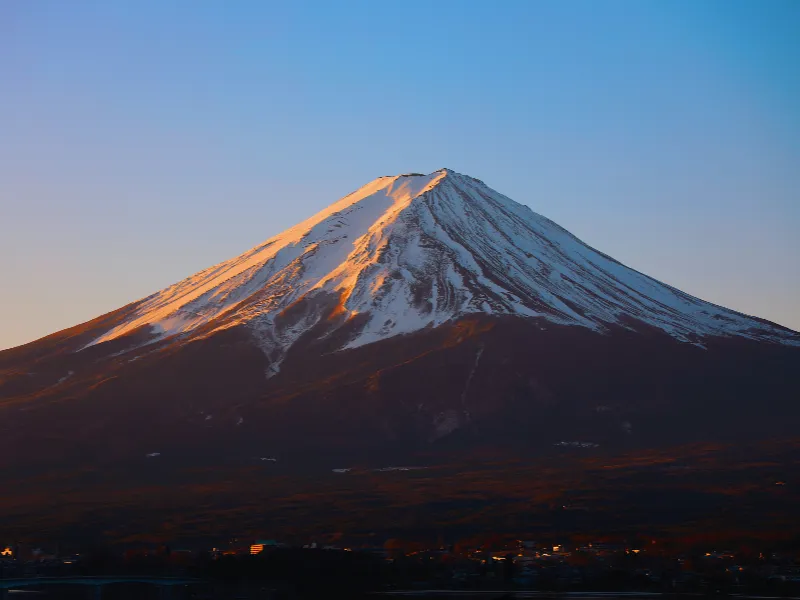
Mt Fuji at sunrise
See Mt. Fuji at sunrise—Japan’s iconic peak glowing above lakes and forests in crisp morning light.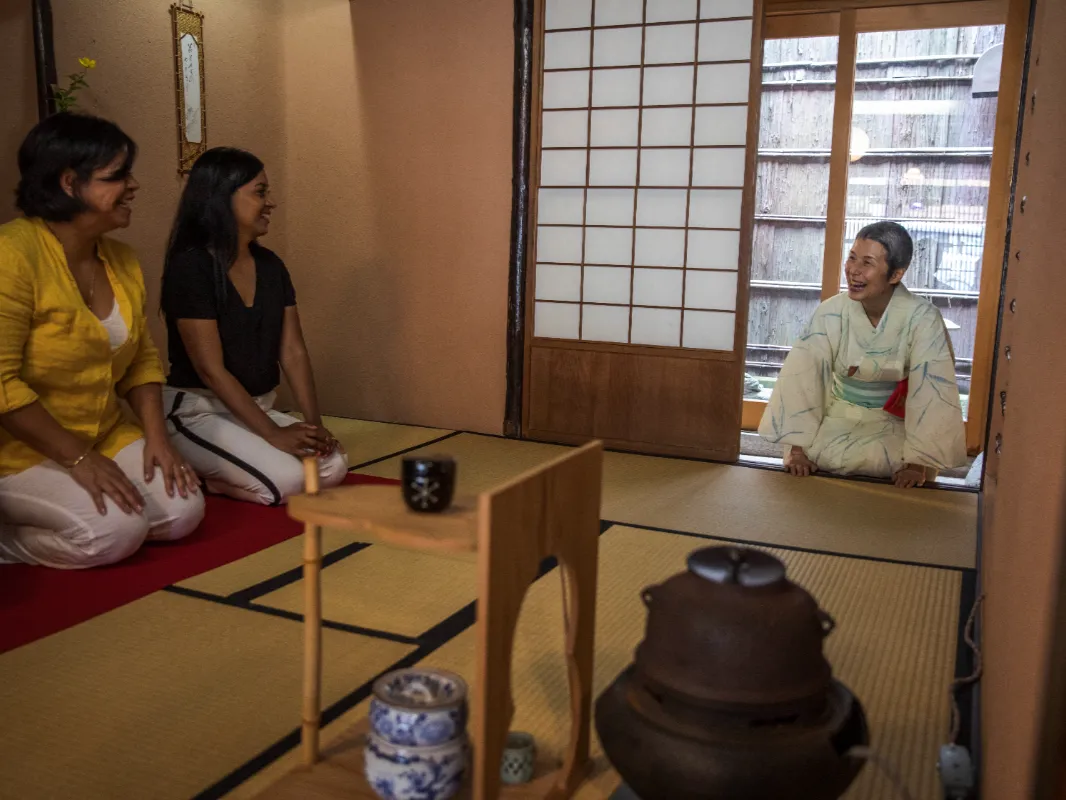
Tea ceremonies
Join a tea ceremony—mindful rituals, matcha preparation, and a deep taste of Japanese tradition.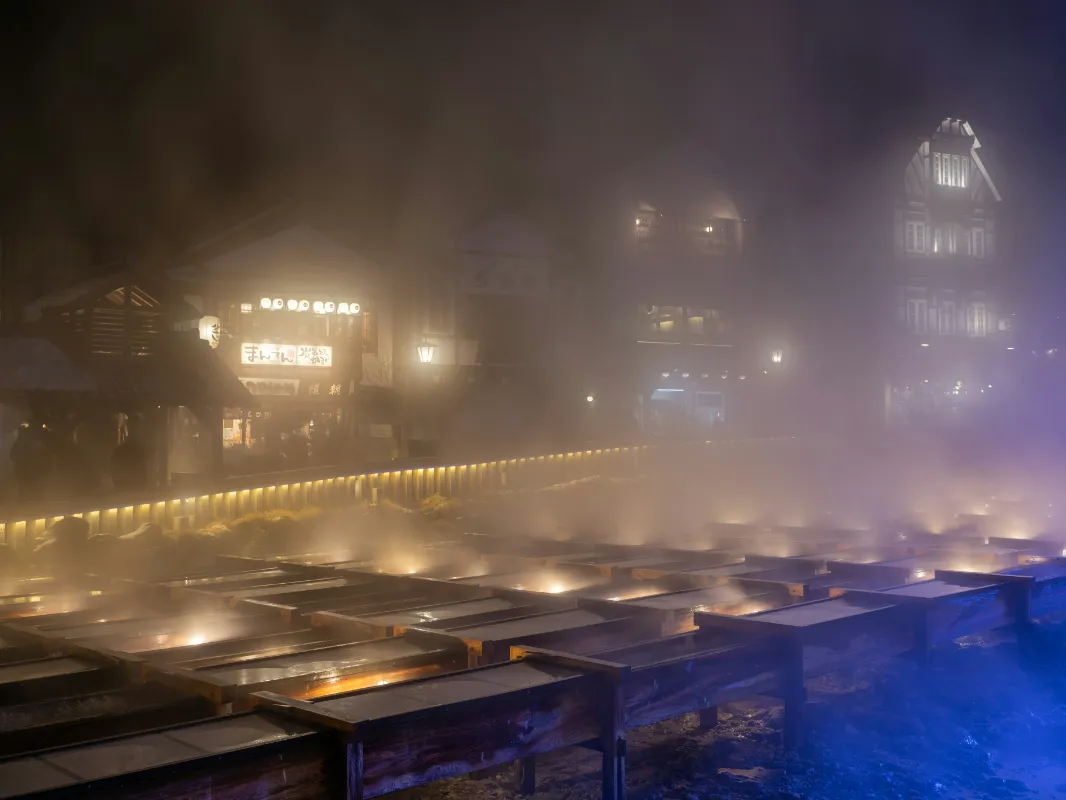
Hot springs
Soak in hot springs—steamy onsen waters and mountain views, a relaxing highlight across Japan.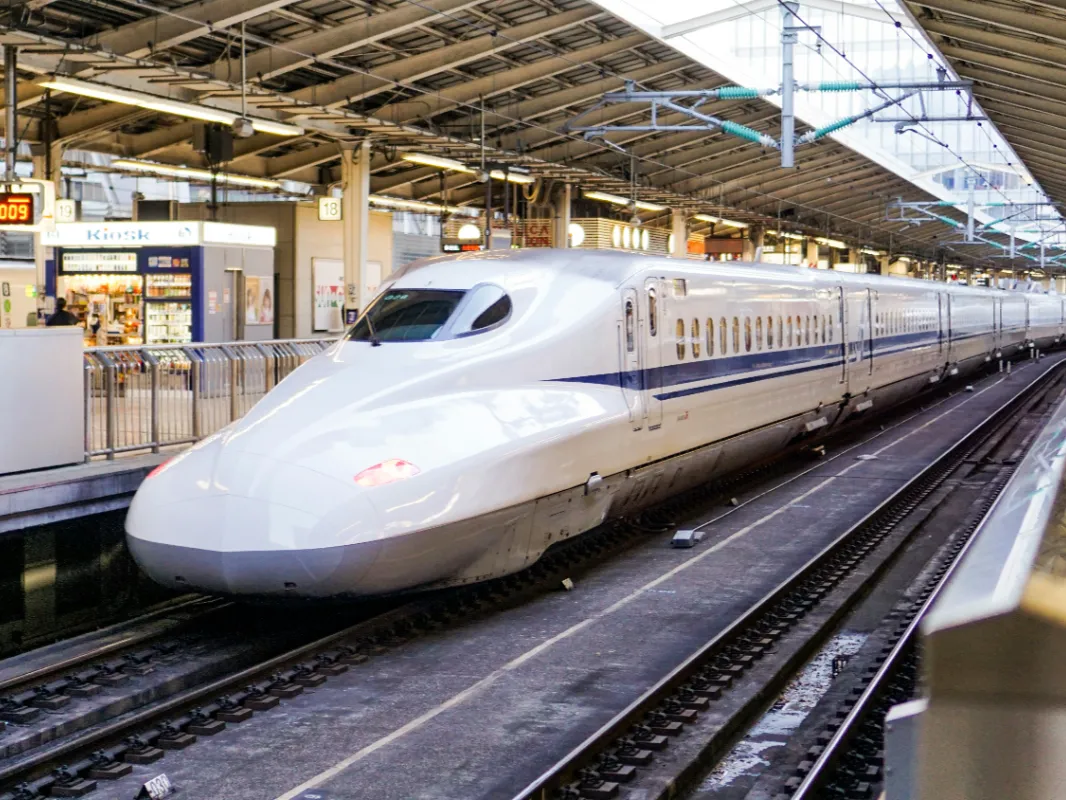
Bullet trains
Ride Japan’s bullet trains—fast, smooth travel between cities with classic Shinkansen efficiency.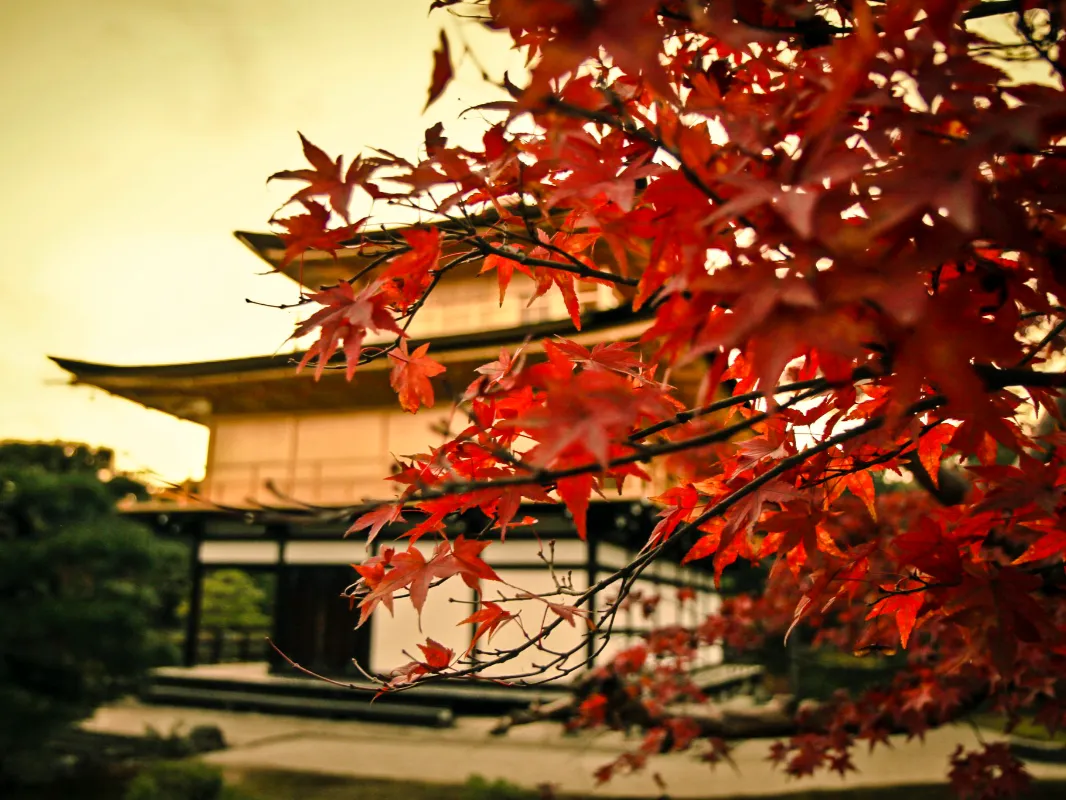
Serene temple visits
Visit serene temples—quiet gardens, incense, and timeless architecture across Asia’s spiritual landmarks.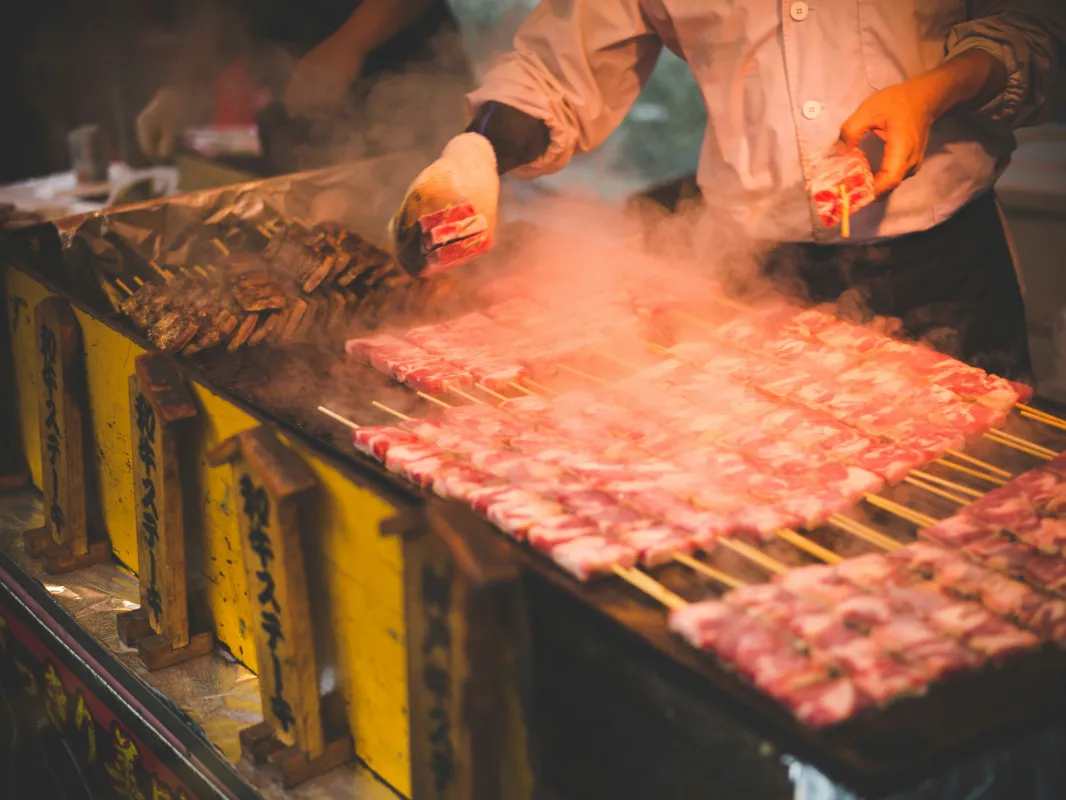
Kyoto street food crawls
Do a Kyoto street food crawl—market snacks, small plates, and local favourites in Japan’s historic heart.Best time to travel
Cherry blossoms & traditional festivals
Experience Japan’s most beautiful season from Mar-May, with blooming sakura flowers and traditional hanami celebrations.

Most popular time
Cherry blossom season is March - May

Most budget-friendly
Winter seasons are from December - February

Favourite season
Most people like to visit during September - November

Culturally significant times
Visit during festival seasons and Golden Week
Need to know
Japan at a glance

Time Zone
Japan Standard Time (UTC +9)

Climate
Temperate with four distinct seasons

Currency
Japanese Yen (JPY)

Transportation
JR Pass, Shinkansen bullet trains, local subways

Local cuisine
Sushi, Ramen, Tempura, Kaiseki dining, Street food in Osaka

Languages Spoken
Japanese
Frequently asked questions
Because planning should feel exciting, not exhausting.
Visa requirements may change, for the most up-to-date information we recommend using our Entry Requirements tool. Alternatively, check the Japanese embassy website in your country of departure.
Generally, the best time to visit Japan is in the Spring (March to May) and Autumn (September to November) when temperatures are pleasant and you have significant events like the cherry blossom between March and April and ‘Golden Week’ in April and May. Summers can be hot and humid, and it tends to rain in much of the country from May to September. This can be a great time to visit the national parks of Hokkaido and the Japanese Alps, however. If you’re into skiing, then come from December to March, and head north. Expect lots of snow and an array of different festivals at this time too.
Japan is a fairly large country, so the weather can change depending on where you are within the country. Generally though, Spring (March to May) and Autumn (September to November) see sunny and dry weather, with temperatures floating around the 20°C (68°F) mark. Summers are hot and humid, with temperatures reaching highs of 35°C (95°F), and rainfall peaks in June and July. Winters can be cold, particularly in the northernmost island of Hokkaido. There’s snow here and it can get as cold as -8°C (17.6°F).
Tipping is not practised in Japan. Leaving money at restaurants or in taxis etc will simply cause confusion! However, at the end of each trip if you felt your G Adventures CEO did an outstanding job, tipping is highly appreciated. The amount is entirely a personal preference, however, as a guideline USD $5 per person, per day can be used.
Internet access is fantastic in Japan, and you’ll find free Wi-Fi hotspots in many restaurants, cafes, major train stations, convenience stores, and bars.
Every Post Office and 7-11 has an ATM machine that accepts Visa, Mastercard, and other debit cards. At times, Maestro, Mastercard, and Cirrus have been problematic at these machines, so please bring a back-up card. Credit cards should not be relied upon for purchases as they are not widely accepted, except in some restaurants and department stores. Check with your bank to see how much you may be charged for withdrawals — consider bringing cash in USD, Euros, or GBP too. As currency exchange rates can fluctuate often, we ask that you refer to www.xe.com for daily exchange rates.
Japan is relatively progressive when it comes to LGBTQ+ rights, though it’s a relatively conservative country, so public displays of affection should be avoided. Outside of queer venues and certain areas of cities, LGBTQ+ people tend to be somewhat under the radar. As part of their commitment, all CEOs receive LGBTQ+ inclusion training so every traveller feels respected and welcomed on all of our tours. We commit to making our tours a safe and inclusive place for people to express their authentic selves without judgement, free from any discriminatory language or harassment. While travelling with G Adventures, all travellers must treat each other with dignity and respect to create an environment that is positive, safe, and where everyone feels welcome. You can find out more via our LGBTQ+ travel page.
Almost all people in Japan speak Japanese as their first language, with Korean spoken by about 0.5% of the population and Chinese by 0.2%. Amami, Kyukyu, Kikai, and Miyako are also spoken by some across the islands.
Yes, tap water is safe to drink in Japan. However, water refill stations are uncommon outside of major stations so you may find buying bottles from vending machines easier.
Japan is regarded as being one of the safest countries in the world, and crimes like theft are uncommon, but it always pays to be careful. However, this is an active earthquake and tsunami zone, so take heed of local warnings. G Adventures takes all reasonable measures to ensure your safety and enjoyment while travelling with us. All of the included activities are properly vetted and regularly checked by us, and we take great care in choosing the right transportation, stays throughout your trip, and guides to lead your tour. However, there are always inherent risks when travelling — you can find out more via our travel safety page.