Peru Tours & Small Group Trips in 2026
¡Bienvenidos al Perú!
Multifaceted Peru is home to some of the highest mountains and biggest canyons in the world, a cultural heritage that stretches back millennia and a world-class culinary scene.

Things to do and see
Experiences that define Peru
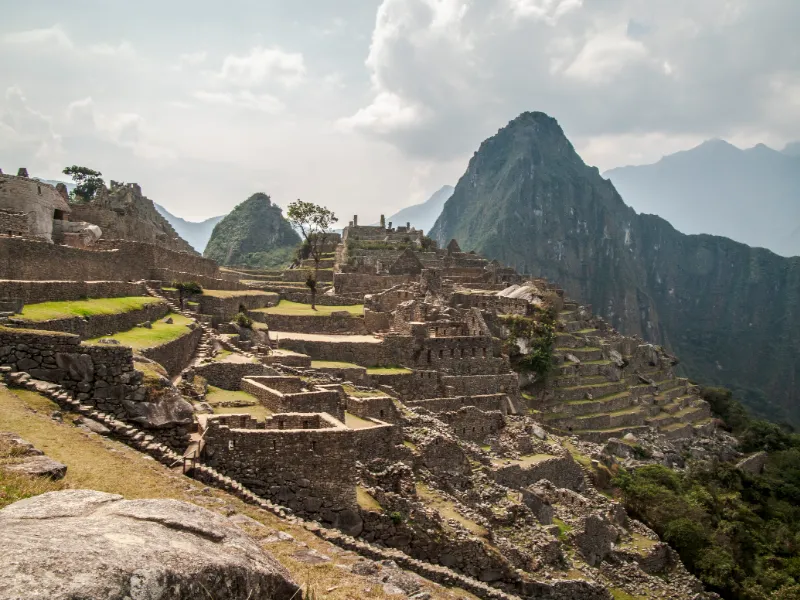
Iconic Machu PicchuExplore Machu Picchu—Peru’s iconic Inca citadel with cloud-forest views, ancient stonework, and unforgettable mountain scenery.
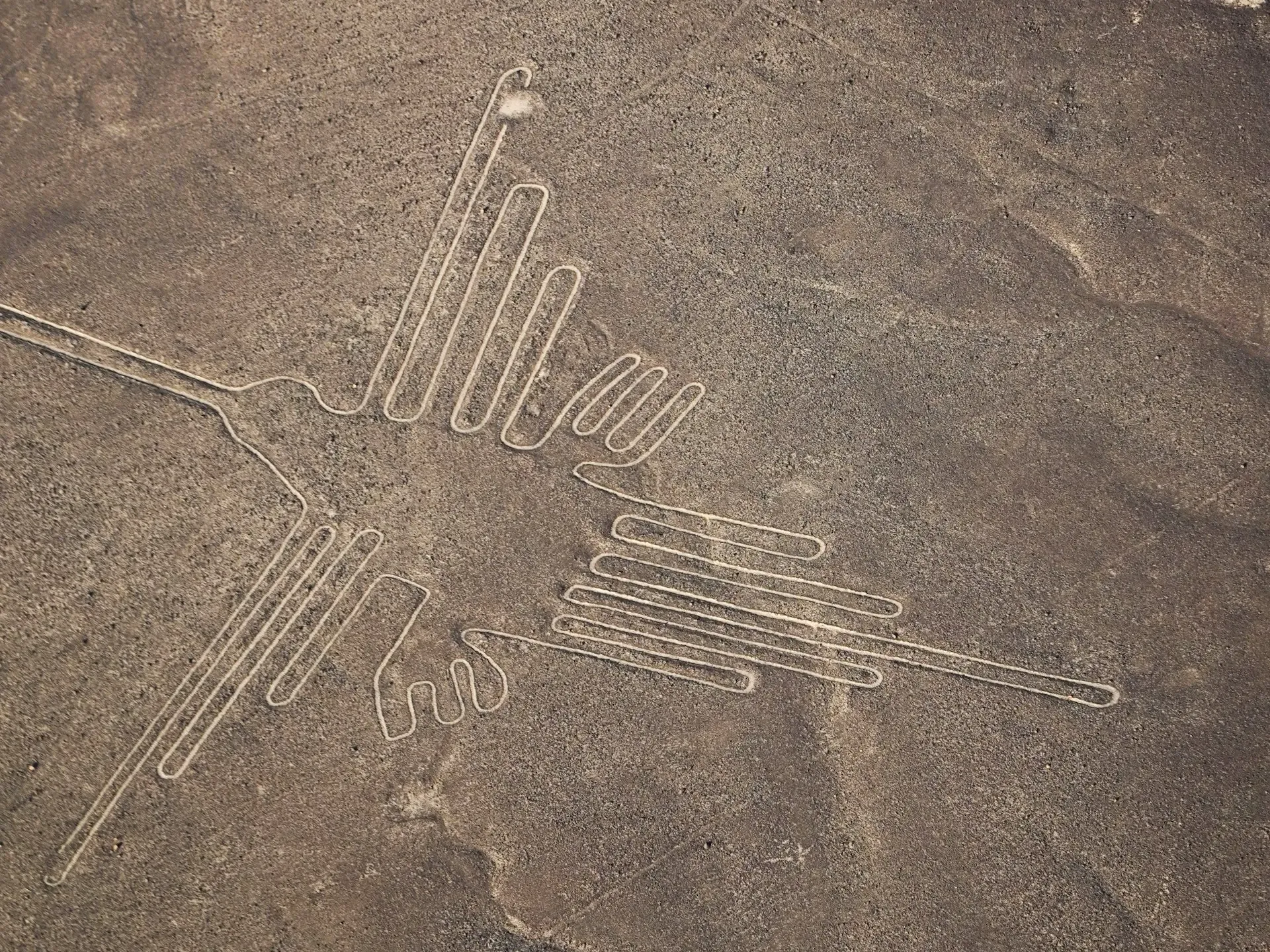
The intriguing Nazca LinesSee the Nazca Lines—massive desert geoglyphs best viewed from above, one of Peru’s most intriguing ancient mysteries.
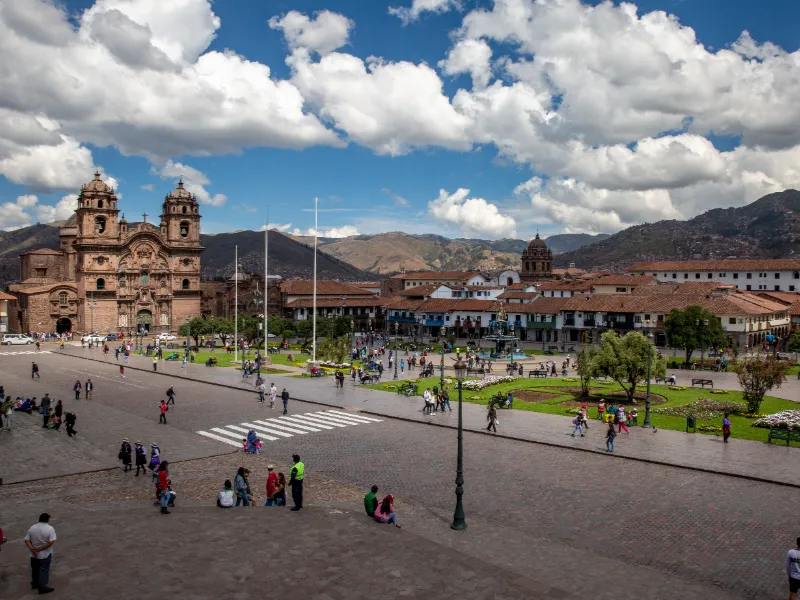
Cusco's architectureWander Cusco’s architecture—Inca stone walls, colonial churches, and lively plazas in the historic gateway to the Sacred Valley.
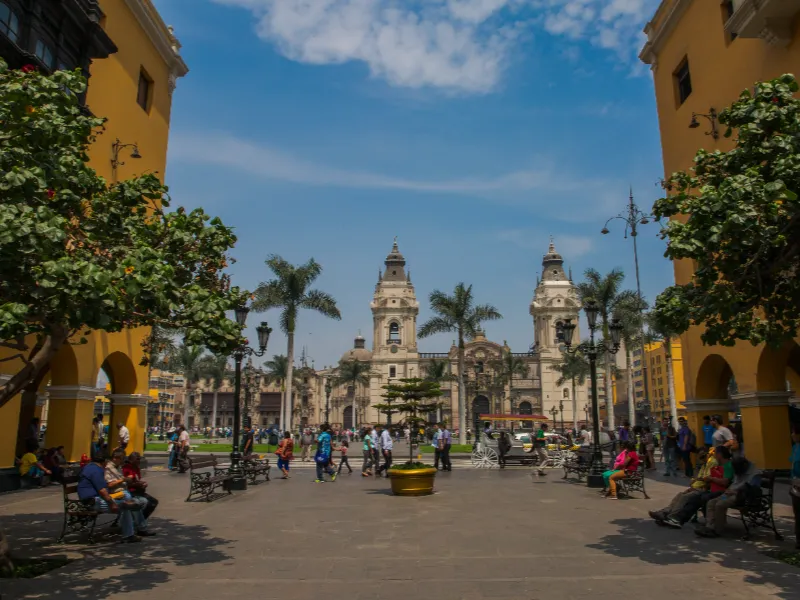
Lima's city sightsExplore Lima’s city sights—colonial plazas, coastal views, and Peru’s culinary capital energy across Miraflores and the historic centre.
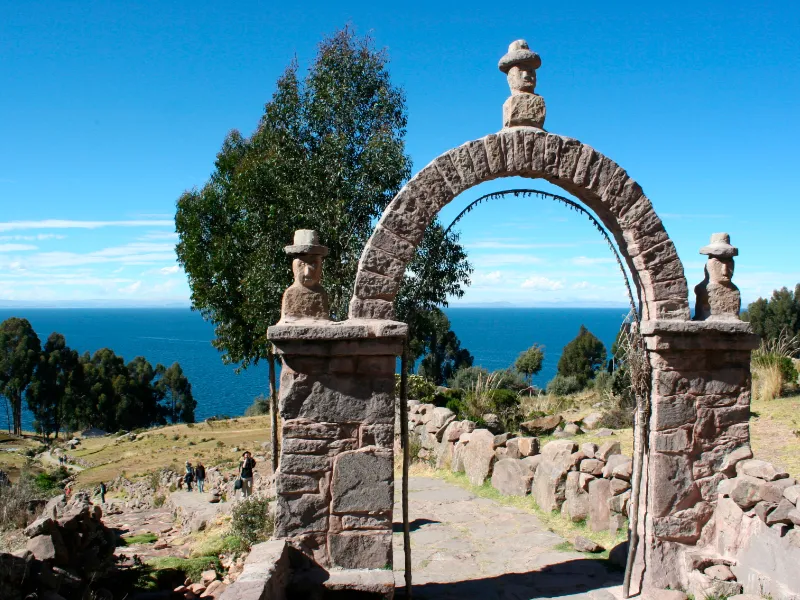
Lake Titicaca viewsTake in Lake Titicaca views—high-altitude blue waters, Andean horizons, and cultural traditions on the world’s highest navigable lake.
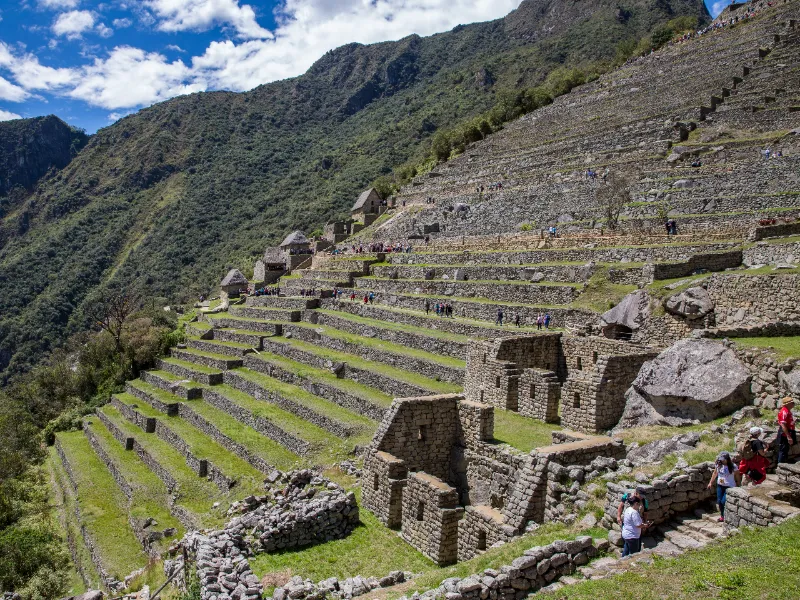
Ollantaytambo ruinsExplore Ollantaytambo’s Inca ruins—terraced fortresses, stone temples, and Sacred Valley views in a living Andean town.
Best time to travel
Machu Picchu & Mountain Treks
May-Sep: Dry season, ideal for Machu Picchu, Inca Trail, and Andean trekking

Most popular time
June - August is dry for Machu Picchu and trekking

Most budget-friendly
April - May is post-rainy season

Favourite season
Ideal in the dry season (May–Sep) for trekking and clear mountain views

Culturally significant times
Visit in June for the Incan Sun Festival in Cuzco
Need to know
Peru at a glance

Time Zone
Peru Standard Time (UTC -5)

Climate
Two distinct seasons – wet and dry

Currency
Peruvian Sol (PEN)

Transportation
Buses, combis, mototaxis, Cuzco trains

Local cuisine
Ceviche, lomo saltado (beef stir-fry), causa limeña

Languages Spoken
Spanish, Quechua
Because planning should feel exciting, not exhausting
Frequently asked questions
Most travellers don’t need a visa to visit Peru, and travellers from the UK, Canada, the EU, Australasia, New Zealand and the US get 180 days upon arrival. Please note however that if you overstay your visa, then you’ll be charged USD $1.50 per day and will be fined when you leave the country.
Travellers from Venezuela, Nicaragua, Kenya, Cuba, and various other countries however will need a visa to visit Peru. You can find out more via your local consulate or embassy before you travel.
Recommended vaccinations for Peru include diphtheria, hepatitis a, hepatitis b, diphtheria, yellow fever (if you’re visiting the Amazon), rabies and tetanus.
While there’s never a bad time to visit Peru per se, we’d recommend travelling there during the dry season (May to October) when the weather is at its best. Expect sunny days and bright blue skies but chilly nights. Bring layers and bear in mind that this is the busiest time of year \- plan accordingly.
Please also note that Machu Picchu is closed in February, so if you’re wanting to do the Inca Trail or similar, then this probably isn’t the best time to travel.
Peru is a vast country — covering everything from deserts to the Amazon Rainforest — so the weather is really dependent on where you are in the country. Overall though, you can expect the sunniest and driest weather from May to October, with temperatures plummeting at night.
December to March is the rainy season, which sees warm temperatures and frequent heavy showers across the country.
Tipping isn’t expected in Peru, though if you’ve particularly enjoyed a meal or service, then feel free to leave around 10%, which is standard practice in the more up-market restaurants.
Internet access in most Peruvian cities and towns is good but not flawless — expect it to be unreliable in mountainous areas or in more rural areas like the Amazon Rainforest.
ATMs are widely available in Peru, particularly in towns and cities. There’s a maximum withdrawal limit per day of S/.700, and you can expect fees for each transaction.
Same-sex relationships are legal in Peru, though it remains a conservative country, so avoid public displays of affection, particularly in rural areas.
84% of Peruvians speak Spanish, the country’s official language, but Quechua and Aymara are also spoken in many parts of the country.
Like many other countries around the world, petty street crime can occasionally occur in cities and towns, so keep your wits about you, particularly at night. Avoid the border region with Ecuador and Colombia, as well as the Valley of the Apurimac, which is the centre of operation for the Shining Path guerilla group.
The country is also an active earthquake zone, so heed warnings from locals in case of earthquakes and tsunamis.