Galapagos Tours & Guided Trips in 2026
¡Bienvenidos a las Islas Galápagos!
Emblems of pristine nature and epic biodiversity, the Galápagos Islands offer visitors the chance to marvel at Mother Nature’s infinite creativity.

Things to do and see
Experiences that define Galapagos
Parque Nacional GalápagosExplore Galápagos National Park—protected islands with volcanic terrain, unique ecosystems, and world-famous wildlife viewing.
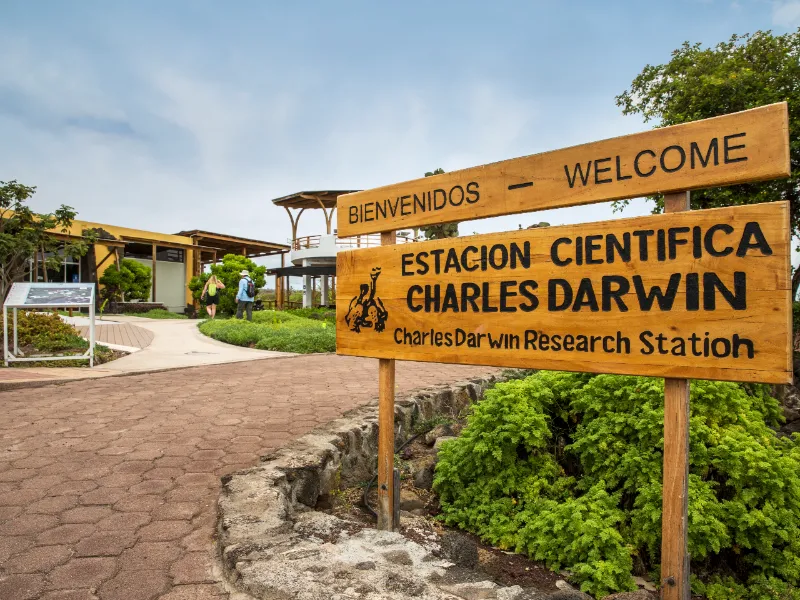
Charles Darwin Research StationVisit the Charles Darwin Research Station—learn about conservation, giant tortoises, and the science protecting the Galápagos.
Sierra NegraHike Sierra Negra volcano—wide crater views and lava landscapes on Isabela Island in the Galápagos.
Rábida lava fieldsExplore Rábida’s lava fields—dark volcanic terrain, red-sand beaches, and unique wildlife in the Galápagos Islands.
Española IslandVisit Española Island for dramatic cliffs, pristine beaches, and iconic Galápagos wildlife like waved albatross and sea lions.
Floreana IslandDiscover Floreana Island—wildlife-rich shores, pirate-era stories, and quiet Galápagos landscapes off the main routes.
Need to know
Galapagos at a glance

Time Zone
Galapagos Time (UTC -6)

Climate
Two distinct seasons – wet and dry

Currency
US Dollar (USD)

Transportation
Boats, ferries, island taxis

Local cuisine
Fresh fish, lobster, ceviche

Languages Spoken
Spanish
Because planning should feel exciting, not exhausting
Frequently asked questions
The Galapagos Islands have a climate characterised by two main seasons: the warm, wet season (December to May) and the cool, dry season (June to November). The former has temperatures which tend to range from 21 to 32°C (70 to 90°F) — expect occasional rain showers and more humid temperatures throughout this period of time.
The cool, dry season tends to have temperatures ranging from 15 to 27°C (59 to 80.6°F), and though there is less rain during this period.
While there’s no bad time to visit the Galapagos Islands, but if you’re wanting to hit the beach and go snorkelling, then the warm, wet season (December to May) is probably the best time to visit. This is also the breeding season for many of the unique species of wildlife found here.
If you’re wanting to go diving or see migratory birds, then the cooler dry season (June to November) offers the best visibility. However, be aware that the sea may be choppier at this time.
It’s customary in Latin America to tip service providers such as waiters, at approximately 10%, depending on the service. Tipping is an expected — though not compulsory — component of your tour programme and an expression of satisfaction with the persons who have assisted you on your tour. Recommendations for tipping drivers and local guides would range from USD $5-10 per day depending on the quality and length of the service; ask your CEO for specific recommendations based on the circumstances and culture.
Also at the end of each trip if you felt your CEO did an outstanding job, then tipping is appreciated. The amount is entirely a personal preference, however as a guideline USD $20-25 per person, per week can be used.
Internet access in the Galapagos Islands varies significantly by location. Puerto Ayora in Santa Cruz and San Cristóbal Island both have pretty good internet access, and you’ll find it in most hotels, hostels, bars, restaurants and cafes on both islands. Isabela and Floreana have less reliable internet access, and connectivity tends to be much slower. In more remote parts of the islands or on smaller islands, internet access can be very limited or even nonexistent.
There are ATMs in the Galapagos, though they tend to be limited to Puerto Ayora in Santa Cruz and San Cristóbal Island. Double check with your bank that your card will work — Visa and Mastercard tend to both be accepted here — and expect withdrawal fees. Isabela only has around two ATMs, and Floreana doesn’t have any, so make sure you bring cash in USD with you if you’re visiting either of these islands.
As currency exchange rates can fluctuate often we ask that you refer to the following website for daily exchange rates: [www.xe.com](http://www.xe.com).
The main language spoken here is Spanish, which is spoken by practically everyone here. However, given the tourist infrastructure, English is also widely spoken here too.
Drinking tap water in the Galapagos Islands is not recommended, and if you’ve got a particularly sensitive stomach, you should avoid drinking drinks with ice in it too.
Please note however that all drinks provided on our tours are safe to drink (including drinks with ice), as well as the water in most hotels and restaurants visited on tour. If in doubt, please ask your CEO for further info.