Antarctica Cruises & Tours in 2026
Welcome to Antarctica! ❄️
Ready for the adventure of a lifetime? Few travellers make it to the icy continent of Antarctica, but those who do discover a frozen Eden where nature makes the rules.

Things to do and see
Experiences that define Antarctica
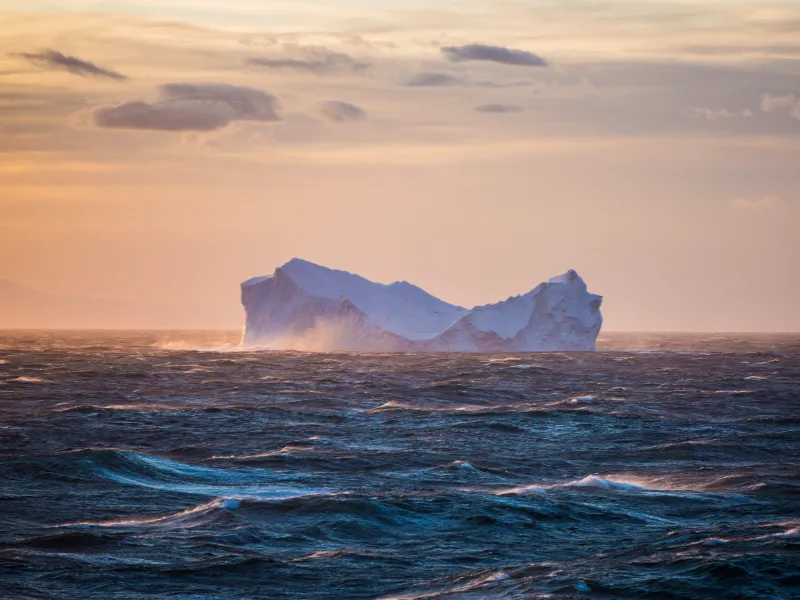
Antarctic PeninsulaExplore the Antarctic Peninsula—icebergs, vast white landscapes, and unforgettable wildlife in Earth’s last great wilderness.
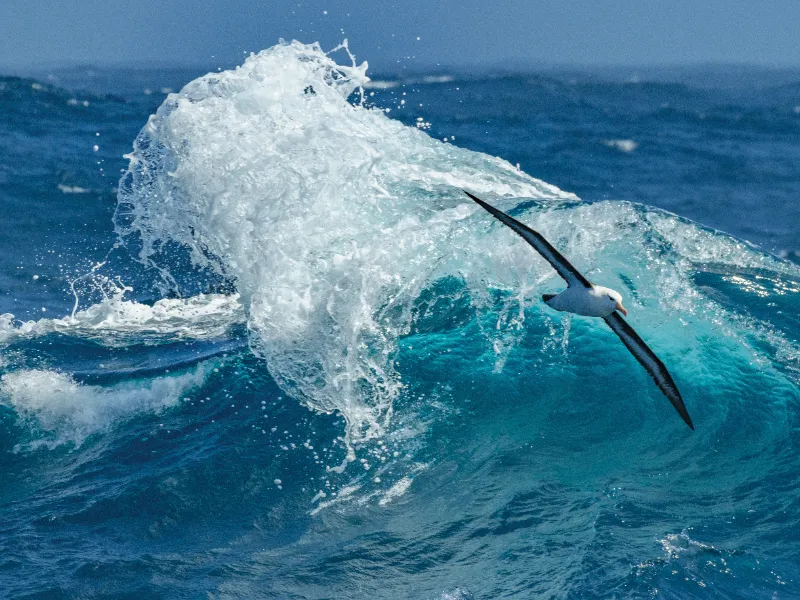
Drake PassageCross the Drake Passage—legendary seas and the gateway voyage to Antarctica from South America.
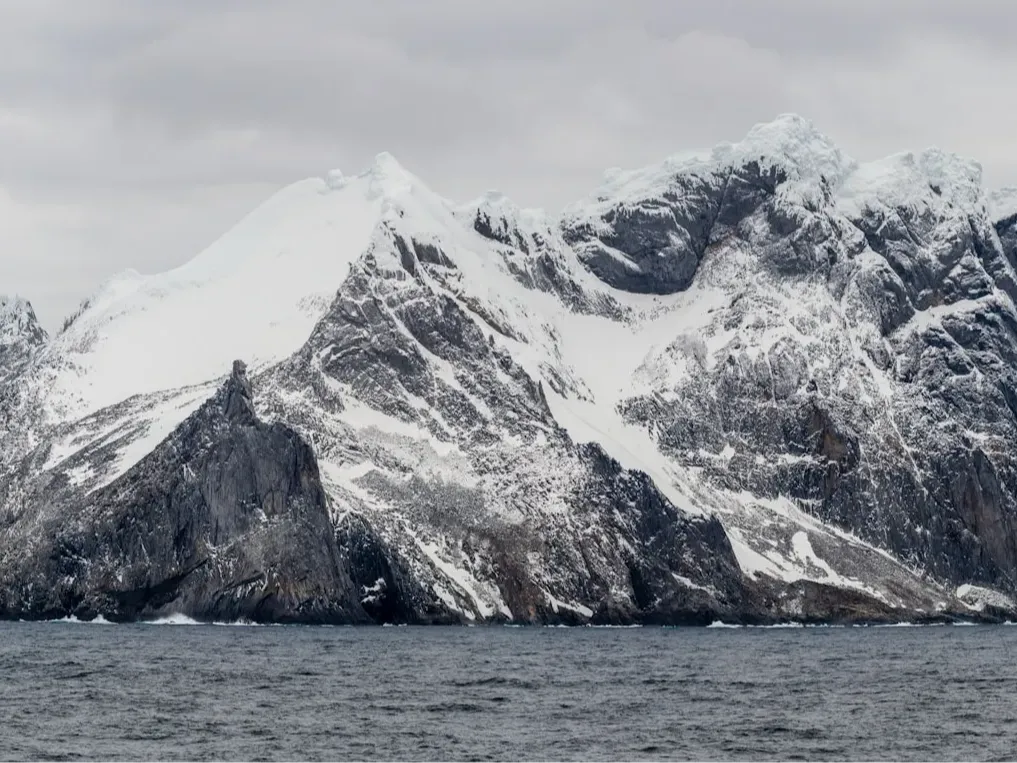
South Shetland IslandsVisit the South Shetland Islands—penguins, seals, and volcanic landscapes on Antarctica’s rugged fringe.
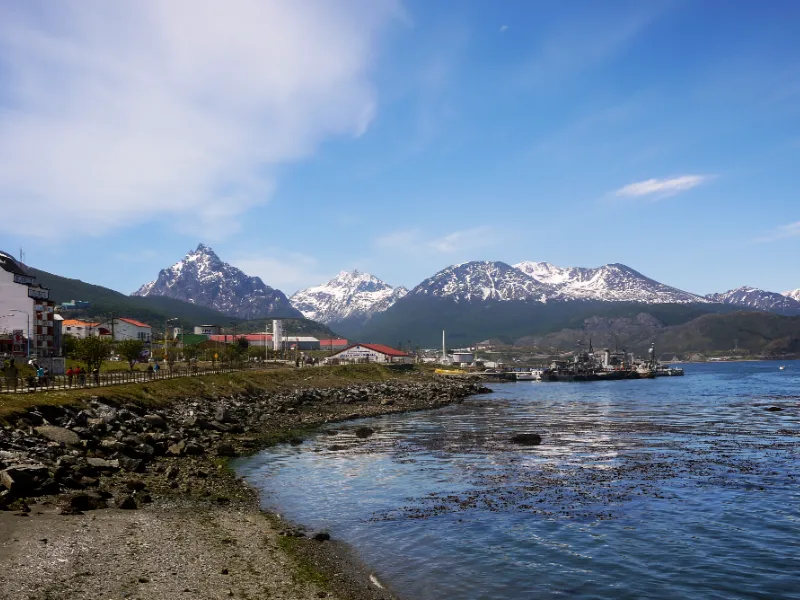
UshuaiaVisit Ushuaia—Patagonia’s “End of the World” city and the launch point for Antarctic adventures.
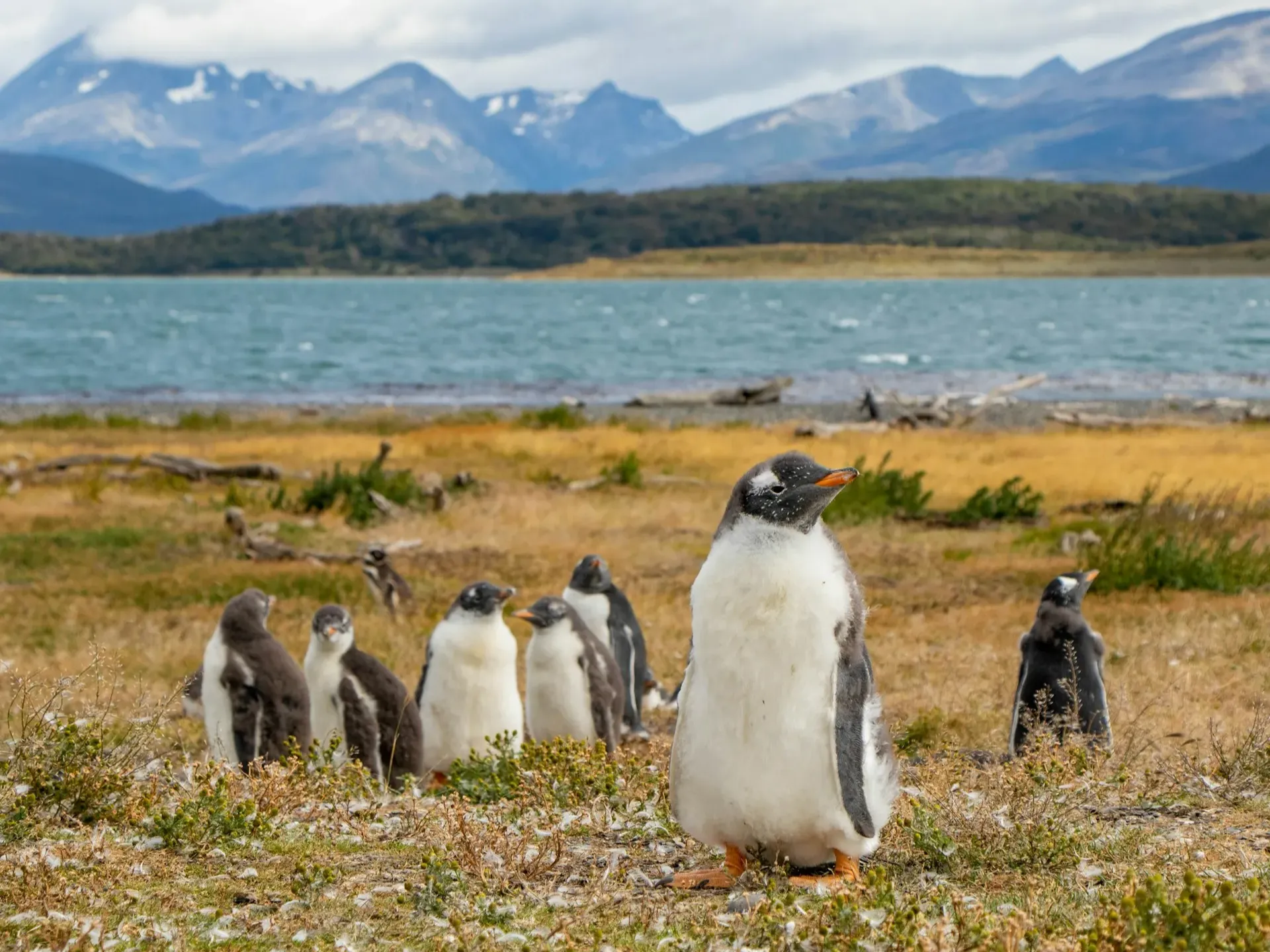
Tierra del FuegoExplore Tierra del Fuego—windswept forests, coastal trails, and wild landscapes at the tip of South America.
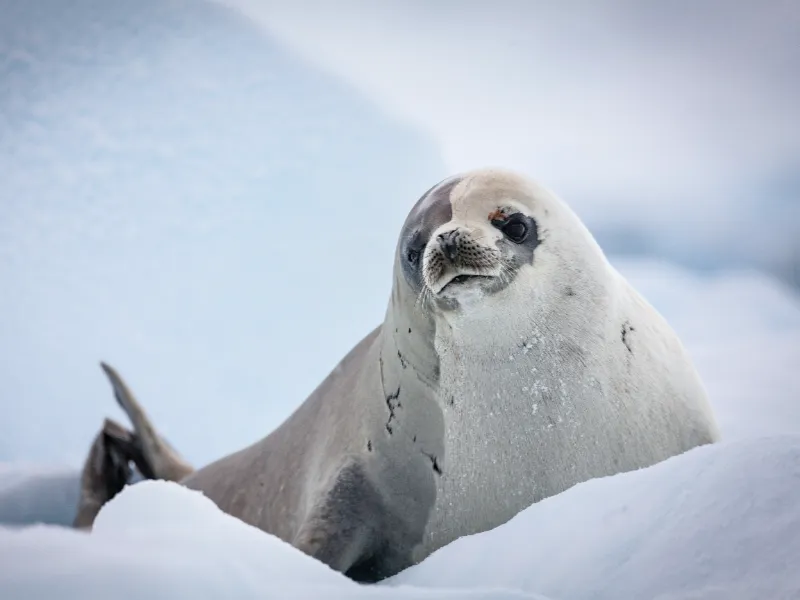
Seeing seals & penguinsSee seals and penguins up close—wildlife colonies, icy shores, and unforgettable encounters in polar regions.
Best time to travel
Longer days & penguin spotting
Nov–Mar: sea ice melts, temperatures are warmer, and wildlife is abundant and active

Most popular time
Warmest month with the best wildlife is January

Most budget-friendly
Temperatures drop below zero in March

Favourite season
Most people like to visit during November – February

Culturally significant times
Visit on 21 June for Midwinter Day
Need to know
Antarctica at a glance

Time Zone
No official time zone

Climate
Frozen desert, extreme cold year-round

Currency
None

Transportation
Icebreaker ships, Zodiacs, and snowmobiles

Local cuisine
Preserved foods, seafood, and hearty stews at bases

Languages Spoken
None (research stations use English, Russian, etc.)
Because planning should feel exciting, not exhausting
Frequently asked questions
Visa requirements may change, so for the most up to date information we recommend using our [Entry Requirements tool](https://www.gadventures.com/travel-and-visa-requirements/).
Antarctica is the coldest, driest, and windiest continent on Earth, and the weather is no joke here. Temperatures outside of the austral summer (late November to early March) are inhospitable, regularly reaching \-30°C (-22°F) with 24 hours of darkness. Even in the coastal regions during the summer, it can reach \-2°C (28°F), so you’re advised to wrap up warm\! Even though it can be very cold and windy here, the sun can be strong — particularly when it’s reflected off the icy landscape — so bring plenty of SPF sunscreen.
The best time to visit Antarctica is during the austral summer, which runs from late November to early March. 24-hour daylight allows for extended excursions and exploration, and this is also the best time to see wildlife too. This is the peak season for hatching penguin chicks, and there are plenty of whales here too — particularly during the months of February and March.
Temperatures tend to float around the \-2 to 8°C (28 to 46°F) mark at this time of year. Outside of these months, Antarctica is inhospitable due to extreme cold, darkness, and inhospitable sea ice blocking access.
With a bit of luck, you’ll be able to spot penguins (Emperor, Adélie, Gentoo, Chinstrap), seals (Leopard, Elephant, Weddell, Crabeater), whales (Humpback, Minke, Fin, Orca), and seabirds (Albatross, Skuas, Petrels).
We recommend you bring waterproof pants or trousers, woolly hats, gloves, walking boots, and anything else that would make you comfortable in cold weather. You should also bring sunscreen and moisturiser, as it can get very windy here. There are places in Ushuaia where outerwear can be rented, however there is no guarantee that items will be available (and so we recommend you bring it with you). For more information please download the Trip Details document available on the trip summary page of each individual tour.