Spain Tours in 2026
¡Bienvenidos a España!
Spain’s mix of fascinating history, arts and culture, and a rich food and wine scene, make it one of Europe’s top destinations.

Things to do and see
Experiences that define Spain

Tapas crawl Cava BajaDo a tapas crawl on Cava Baja—Madrid’s legendary street for small plates, lively bars, and late-night Spanish vibes.
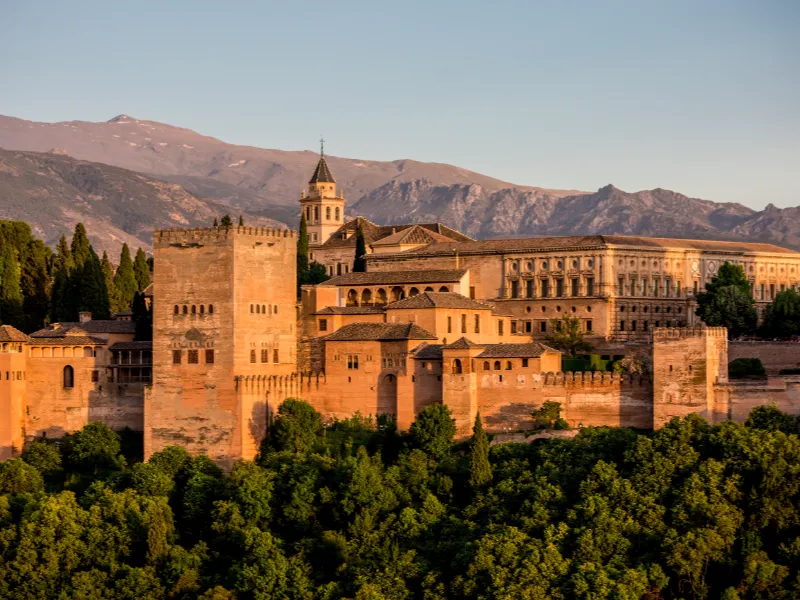
AlhambraExplore the Alhambra—Granada’s Moorish palace of intricate tilework, courtyards, and hilltop views over Andalusia.

La Sagrada FamiliaVisit La Sagrada Família—Gaudí’s masterpiece with towering spires, stained-glass light, and Barcelona’s most iconic basilica.
Art in the Prado, MadridSee masterpieces at the Prado—Velázquez, Goya, and Spanish classics in Madrid’s world-famous art museum.

Flamenco in AndaluciaFeel flamenco in Andalucía—fiery dance, guitar, and soulful singing in Spain’s cultural heartland.
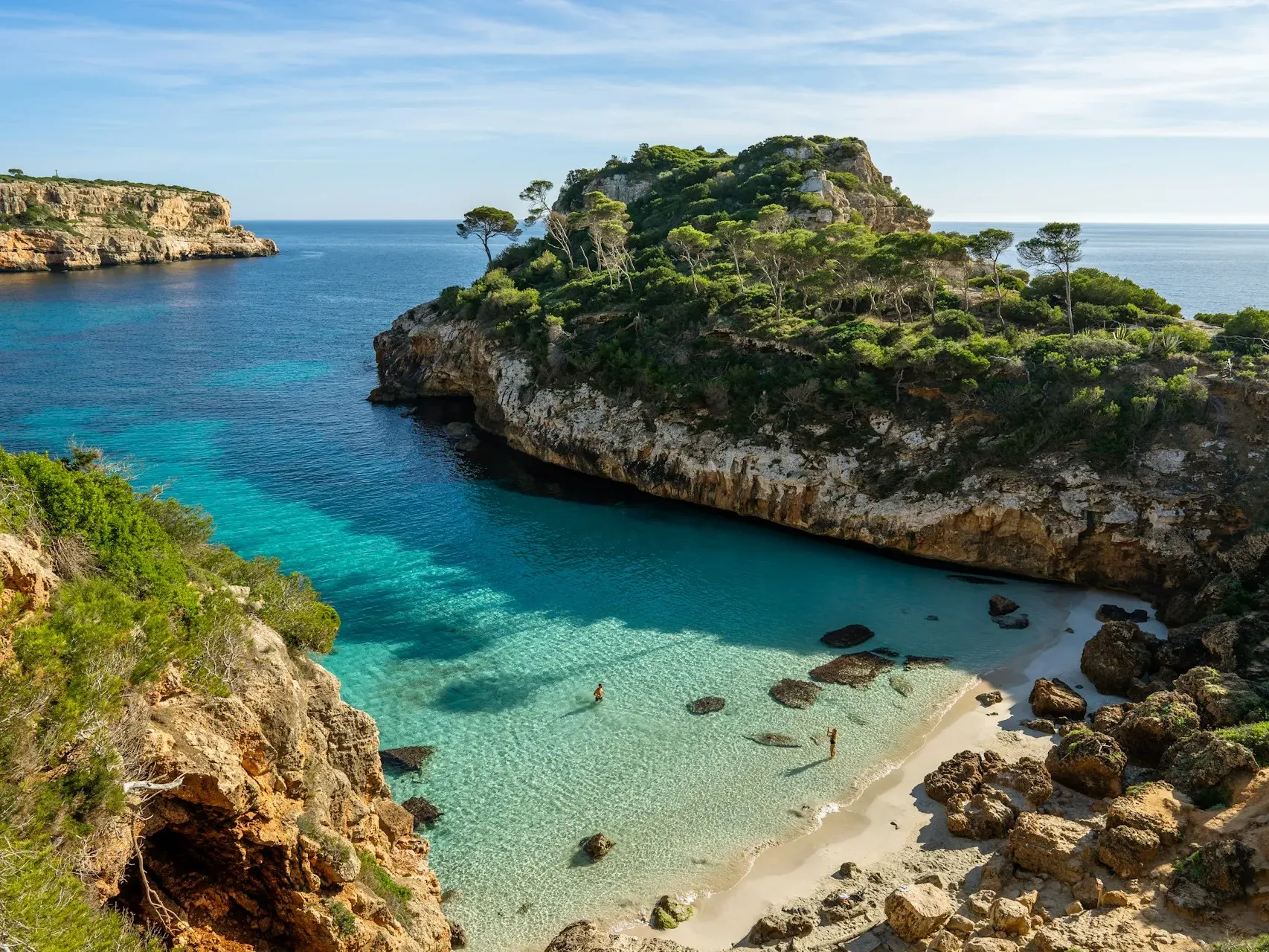
Swimming in the Costa del SolSwim the Costa del Sol—sunny beaches, warm Mediterranean water, and relaxed seaside towns in southern Spain.
Best time to travel
City Culture & Beach Days
Apr-Jun or Sept-Oct. Pleasant temperatures for cities and coasts.

Most popular time
Beach season is July - August

Most budget-friendly
Winter season is November - March

Favourite season
Most people like to visit during June - August

Culturally significant times
Visit in July - August for Running of the Bulls & La Tomatina
Need to know
Spain at a glance

Time Zone
Central European Time (UTC +1)

Climate
Mediterranean, oceanic in the north, semi-arid in the southeast

Currency
Euro (EUR)

Transportation
Trains, metro, buses, ferries

Local cuisine
Paella rice, tapas bites, and sweet churros

Languages Spoken
Spanish, Catalan
Because planning should feel exciting, not exhausting
Frequently asked questions
Visa requirements may change, so for the most up to date information we recommend using our [Entry Requirements tool](https://www.gadventures.com/travel-and-visa-requirements/). Alternatively, check the Spanish embassy website in your country of departure.
Spain’s climate varies significantly across different regions, so it really depends on where you are in the country. Northern Spain tends to experience a maritime climate, with mild Summers reaching highs of around 25°C (77°F) and Winters tending to be cool and wet. Lows of around 5°C (41°F) are common. In Central Spain, Summers are hotter and drier, and temperatures of 30°C (86°F) are common. Winters are cold with temperatures often reaching freezing.
The South and Balearic Islands enjoy a Mediterranean climate, with temperatures soaring during the Summer months to up to 40°C (104°F). Winters are mild, and temperatures tend to stay within double figures. Finally, the Canary Islands tend to experience more of a subtropical climate, with mild temperatures year-round, averaging 20-25°C (68-77°F).
The best time to visit Spain is generally during late Spring (April to May) or early Autumn (September to October). During these periods, the weather is pleasant and not too hot, with mild temperatures and fewer crowds compared to the peak Summer months of July and August. However, beach holidays tend to be best at this time, and if you’re looking to go skiing in the Pyrenees and Sierra Nevada mountain ranges, then Winter (December to February) is the best time to come.
While conventions can vary from country to country, tipping is customary in Europe. A general rule is 10% of the bill for wait staff, and a smaller amount for other service providers.
Tipping is an expected, though not compulsory, component of your tour programme, and an expression of satisfaction with the people who have assisted you on your tour. There are several times during the trip where there is opportunity to tip the local guides. You may do this individually, or your CEO will offer to collect the money and tip as a group. Recommendations for tipping local guides would range from €3 to €5 per day, depending on the quality and length of the service. Ask your CEO for specific recommendations based on the circumstances and culture.
At the end of each trip, if you felt your G Adventures CEO did an outstanding job, tipping is expected and appreciated. The precise amount is a personal preference, however €30 to €40 per person, per week can be used as a guideline.
Internet access in Spain is generally pretty good, and you’ll find it in most public places like restaurants, hotels, hostels, libraries and cafés. Expect it to be better and faster in cities like Madrid and Barcelona than in the countryside, and be aware that if you’re using data on your phone from outside the EU, you may be subject to roaming charges.
In a word, yes, there are plenty of ATMs in Spain. You can find them in pretty much all towns and cities, as well as at petrol stations, shopping centres, and bus and train stations. They generally accept all varieties of bank cards, but please be aware that there may be withdrawal fees — check with your bank before you travel.
As currency exchange rates can fluctuate often we ask that you refer to the following website for daily exchange rates: [www.xe.com](http://www.xe.com).
Yes, Spain is considered one of the most LGBTQ+ friendly countries in the world. Same-sex marriage has been legal here since 2005, and LGBTQ+ people also have adoption rights too. There’s a thriving LGBTQ+ scene in major cities here, and there are regular events like Pride here too.
As part of their commitment, all CEOs receive LGBTQ+ inclusion training so every traveller feels respected and welcomed on all of our tours. We commit to making our tours a safe and inclusive place for people to express their authentic selves without judgement, free from any discriminatory language or harassment.
While travelling with G Adventures, all travellers must treat each other with dignity and respect to create an environment that is positive, safe, and where everyone feels welcome. You can find out more via our [LGBTQ+ travel page](https://www.gadventures.com/about-us/lgbtq-travel/).
The primary language spoken in Spain is Castilian Spanish, spoken by the majority of the population. However, there are several regional languages spoken here too reflecting the diversity of the country, including Basque, Catalan, Galician and Aranese.
Yes, you can drink tap water all over Spain as a general rule. We recommend you bring a reusable water bottle for environmental reasons as there are numerous filling stations.
In general, yes, Spain is a very safe country to visit. It ranks high on global safety indices, with low levels of violent crime. However, like any country, petty crime does exist here — be aware of your surroundings and take normal precautions and you should be absolutely fine. Spain also occasionally experiences natural events like wildfires and floods, particularly in certain regions during specific seasons. Take heed of local advice.
G Adventures takes all reasonable measures to ensure your safety and enjoyment while travelling with us. All of the included activities are properly vetted and regularly checked by us, and we take great care in choosing the right transportation, stays throughout your trip, and guides to lead your tour. However, there are always inherent risks when travelling — you can find out more via our [travel safety page](https://www.gadventures.com/travel-resources/safety/).