Portugal Tours in 2026
Bem-vindo a Portugal!
From the wide Douro valley layered with port wine vineyards to hilly Porto, laid-back Lisbon and sunny Algarve, Portugal packs a ton of variety for its size.

Things to do and see
Experiences that define Portugal
Lisbon tramRide Lisbon’s classic trams—steep hills, tiled streets, and scenic viewpoints across the city’s historic neighbourhoods.
The AlgarveExplore the Algarve—golden cliffs, sea caves, and sandy beaches along Portugal’s sun-soaked southern coast.
Jerónimos MonasteryVisit Jerónimos Monastery—Manueline architecture, maritime history, and one of Lisbon’s most impressive landmarks.
Port tasting in PortoSip port in Porto—cellar tastings, Douro River views, and rich flavours in Portugal’s famous wine city.
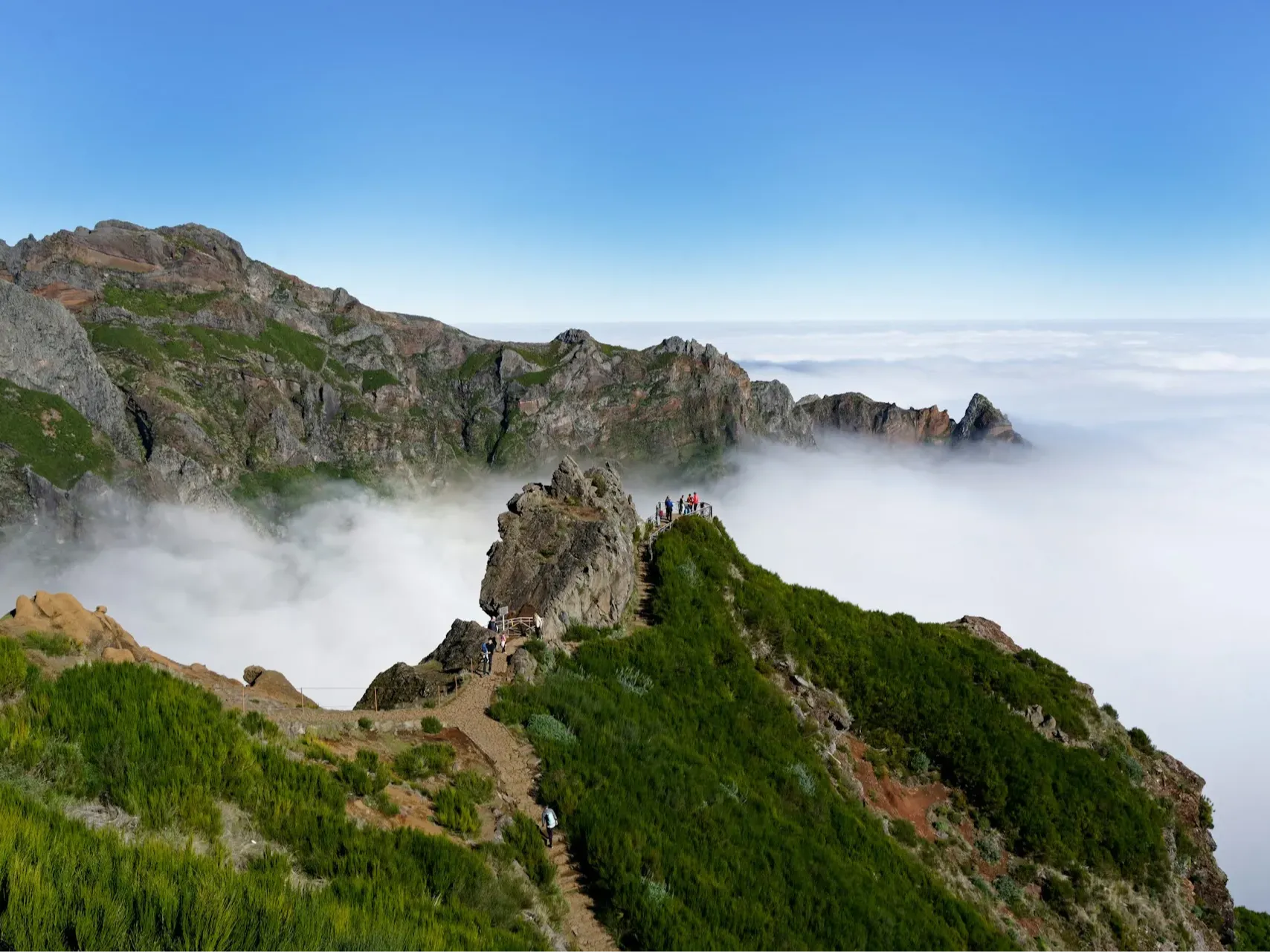
Hiking in MadeiraHike Madeira’s levadas—lush trails, mountain viewpoints, and island scenery shaped by cliffs and cloud forests.
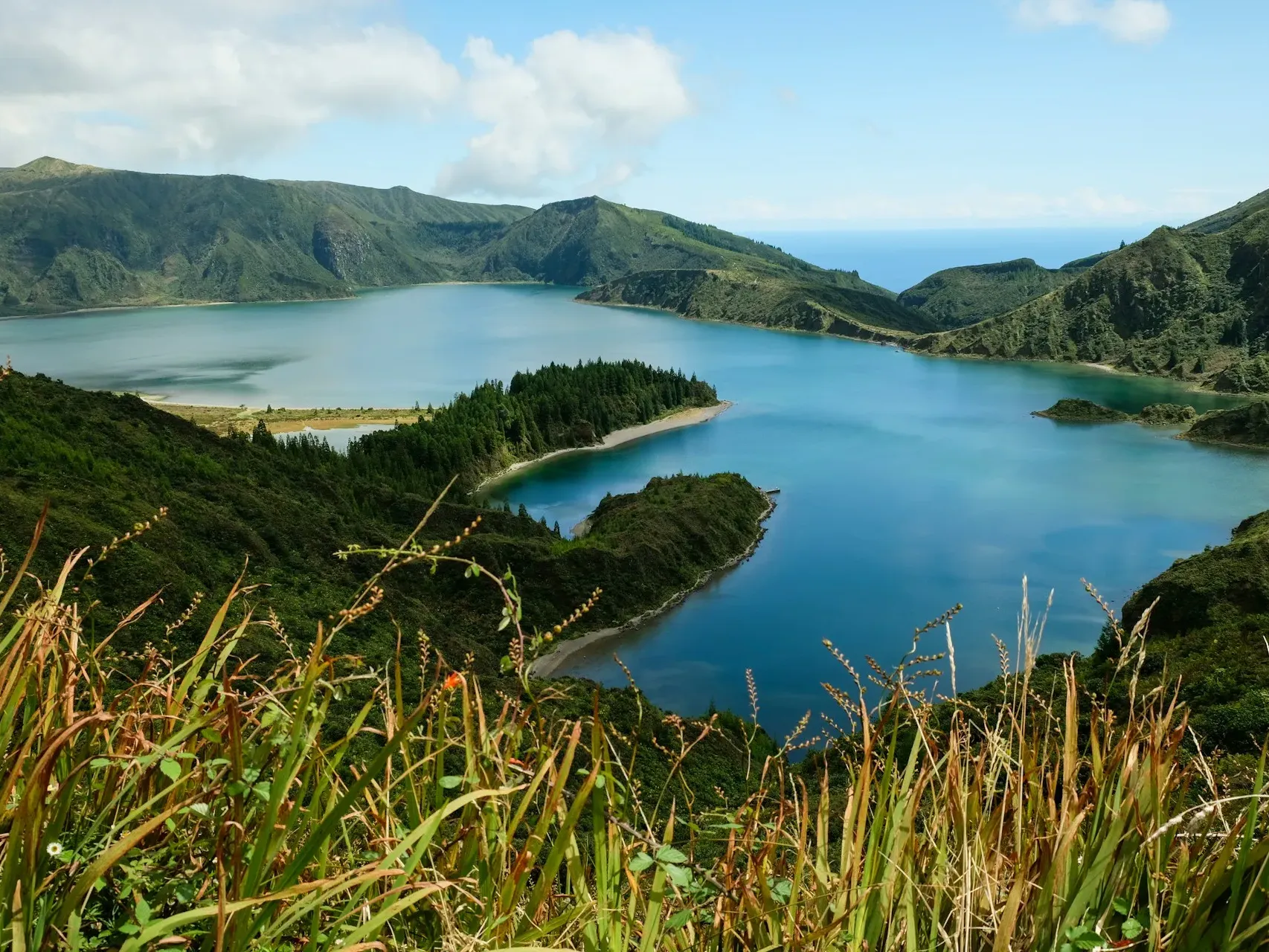
The AzoresDiscover the Azores—volcanic lakes, hot springs, and green coastlines across Portugal’s wild Atlantic islands.
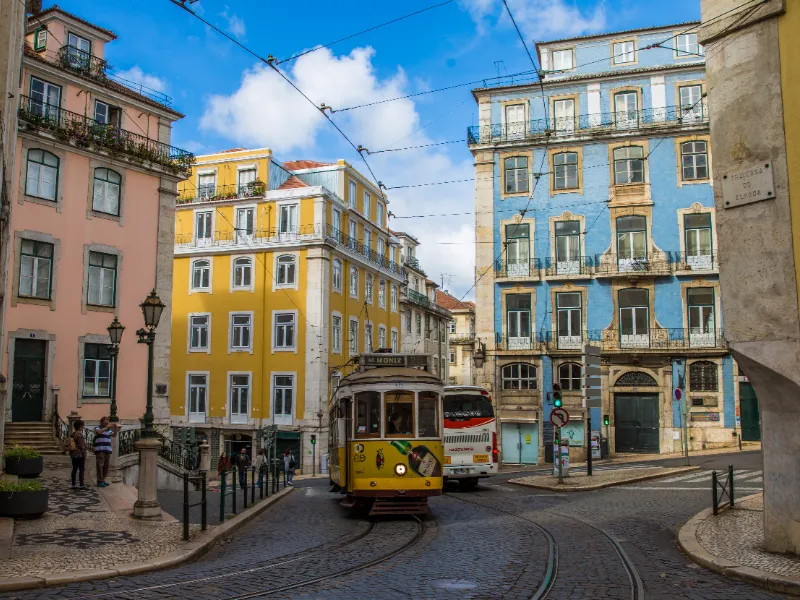
Lisbon tramRide Lisbon’s classic trams—steep hills, tiled streets, and scenic viewpoints across historic neighbourhoods.
The AlgarveExplore the Algarve—golden cliffs, sea caves, and sandy beaches along Portugal’s sunny southern coast.
Jerónimos MonasteryVisit Jerónimos Monastery—Manueline stonework, maritime history, and one of Lisbon’s most impressive landmarks.
Port tasting in PortoSip port in Porto—cellar tastings, Douro River views, and rich flavours in Portugal’s famous wine city.
Hiking in MadeiraHike Madeira’s levadas—lush trails, mountain viewpoints, and island scenery shaped by cliffs and cloud forests.
The AzoresDiscover the Azores—volcanic lakes, hot springs, and green coastlines across Portugal’s wild Atlantic islands.
Best time to travel
Azulejos & Atlantic Coasts
Apr-Jun or Sept-Oct. Ideal temperatures for Lisbon, Porto, and the Algarve.

Most popular time
Beach season is July - August

Most budget-friendly
Winter season is November - March

Favourite season
Most people like to visit during June - August

Culturally significant times
Visit in June for St. Anthony’s Festival in Lisbon
Need to know
Portugal at a glance

Time Zone
Western European Time (UTC), Azores Time (UTC -1)

Climate
Mediterranean, Atlantic influence along the coast

Currency
Euro (EUR)

Transportation
Trains, trams, metro, buses, ferries

Local cuisine
Bacalhau cod, caldo verde soup, and pastel de nata

Languages Spoken
Portuguese
Because planning should feel exciting, not exhausting
Frequently asked questions
Portugal enjoys a diverse climate year-round given its geographical location. Winters (December to February) tend to be mild, with temperatures tending to stay around the 10°C (50°F) mark in the north and 12°C (53.6°F) in the south. Rainfall tends to be highest at this time of year too. Summers (June to August) tend to be warm and dry, with temperatures averaging around 23°C (73.4°F) on the coast but reaching up to 40°C (104°F) inland.
Spring (March to May) sees temperatures of around 15°C (59°F) in March and 20°C (68°F) in May. Autumn (September to November) is similar but you can expect a few more rain showers during this time.
There’s no bad time to visit Portugal, but it really depends on what you’re looking for. Summer (June to August ) — with its warm temperatures and sunny days — is the best time to hit the beach, though you can expect more crowds. There are also plenty of festivals on at this time too.
Autumn (September to November) remains warm but with less crowds, so it’s a great time to explore cities like Lisbon or Porto and go hiking too. The same goes for Spring (March to May) too. Winter (December to February) brings the most rain, but temperatures tend to remain mild. This is also the cheapest time to visit and you’ll likely have a lot of the tourist attractions to yourself.
While conventions can vary from country to country, tipping is customary in Europe. A general rule is 10% of the bill for wait staff, and a smaller amount (€1 or €2) for other service providers.
Tipping is an expected, though not compulsory, component of your tour programme, and an expression of satisfaction with the people who have assisted you on your tour. There are several times during the trip where there is opportunity to tip the local guides. You may do this individually, or your CEO will offer to collect the money and tip as a group. Recommendations for tipping local guides would range from €3 to €5 per day, depending on the quality and length of the service. Ask your CEO for specific recommendations based on the circumstances and culture.
At the end of each trip, if you felt your G Adventures CEO did an outstanding job, tipping is expected and appreciated. The precise amount is a personal preference, however €30 to €40 per person, per week can be used as a guideline.
Internet access in Portugal is generally very good, and you’ll find it in most public places like restaurants, hotels, hostels, libraries and cafés. Expect it to be better in cities like Lisbon and Porto than in rural areas, which still often rely on satellite internet. You should also be aware that if you’re using data on your phone from outside the EU, you may be subject to roaming charges.
In a word — yes, there are plenty of ATMs in Portugal, particularly within urban areas. Multibanco is the most common network, and there are over 12,000 different machines dotted about the country, accepting pretty much all networks of cards.
You should be aware that you may be charged a small withdrawal fee, and there is often a daily withdrawal amount of €400 per day. International banks like Santander and Barclays are available and may charge lower transaction fees. You should also carry cash with you if you’re in rural or remote areas in case of emergency or if you can’t access an ATM.
As currency exchange rates can fluctuate often we ask that you refer to the following website for daily exchange rates: [www.xe.com](http://www.xe.com).
Portugal is considered one of the most LGBTQ+-friendly countries in the world, and same-sex marriage has been legal here since 2010\. Lisbon and Porto both have vibrant LGBTQ+ scene, and there are numerous LGBTQ+ events on throughout the year all around the country.
As part of their commitment, all CEOs receive LGBTQ+ inclusion training so every traveller feels respected and welcomed on all of our tours. We commit to making our tours a safe and inclusive place for people to express their authentic selves without judgement, free from any discriminatory language or harassment.
While travelling with G Adventures, all travellers must treat each other with dignity and respect to create an environment that is positive, safe, and where everyone feels welcome. You can find out more via our [LGBTQ+ travel page](https://www.gadventures.com/about-us/lgbtq-travel/).
Yes, you can drink tap water all over Portugal as a general rule. We recommend you bring a reusable water bottle for environmental reasons as there are numerous filling stations.
Yes, Portugal is generally considered a very safe country in which to visit. It consistently ranks high in global safety indexes due to its low crime rates and stable political environment. Petty crimes like pickpocketing can occur in busy tourist areas within cities like Lisbon, but violent crime is incredibly rare.
G Adventures takes all reasonable measures to ensure your safety and enjoyment while travelling with us. All of the included activities are properly vetted and regularly checked by us, and we take great care in choosing the right transportation, stays throughout your trip, and guides to lead your tour. However, there are always inherent risks when travelling — you can find out more via our [travel safety page](https://www.gadventures.com/travel-resources/safety/).