Italy Tours in 2026
Benvenuti in Italia!
Italy is a work of art – peruse masterpieces, dive into culinary delights, or explore the country’s dramatic mountains and coastlines. Welcome to la dolce vita.

Things to do and see
Experiences that define Italy
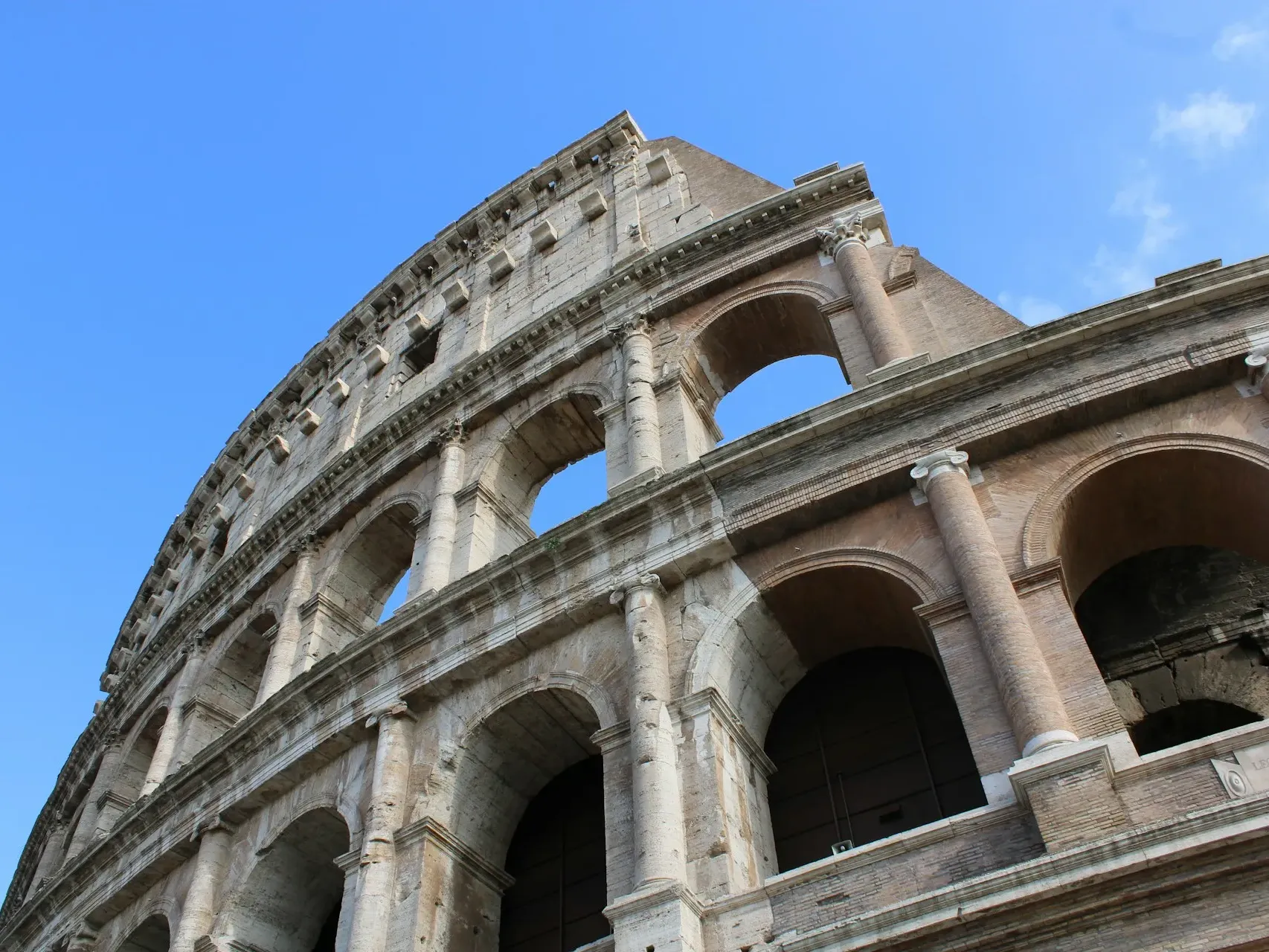
The ColosseumStep inside the Colosseum—ancient Rome’s iconic arena with gladiator history and epic ruins in the Eternal City.
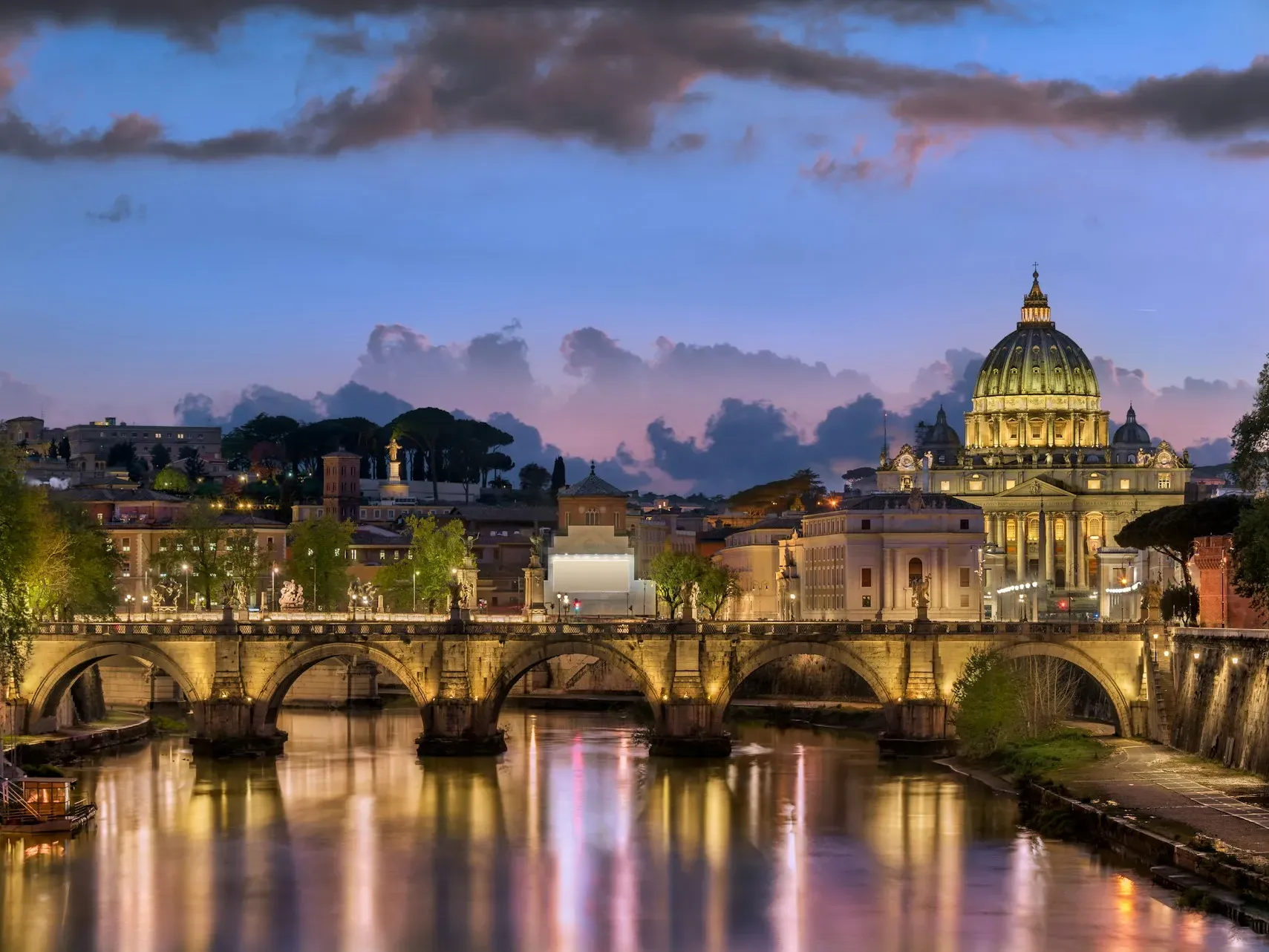
Vatican CityVisit Vatican City—St. Peter’s Basilica, Vatican Museums, and Renaissance masterpieces in the world’s smallest nation.
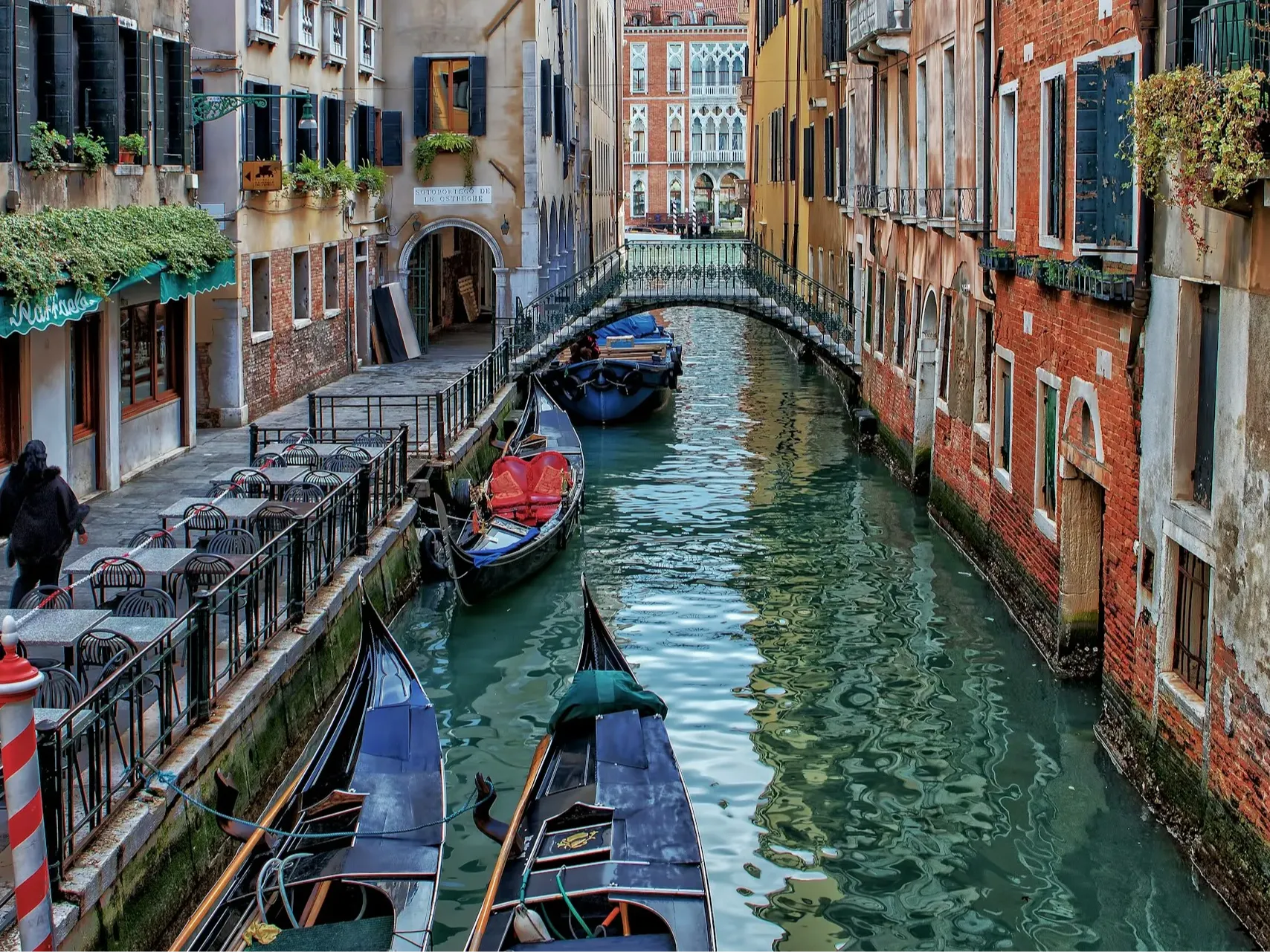
Canals of VeniceGlide along Venice canals—bridges, gondolas, and timeless streets built on water in Italy’s most romantic city.
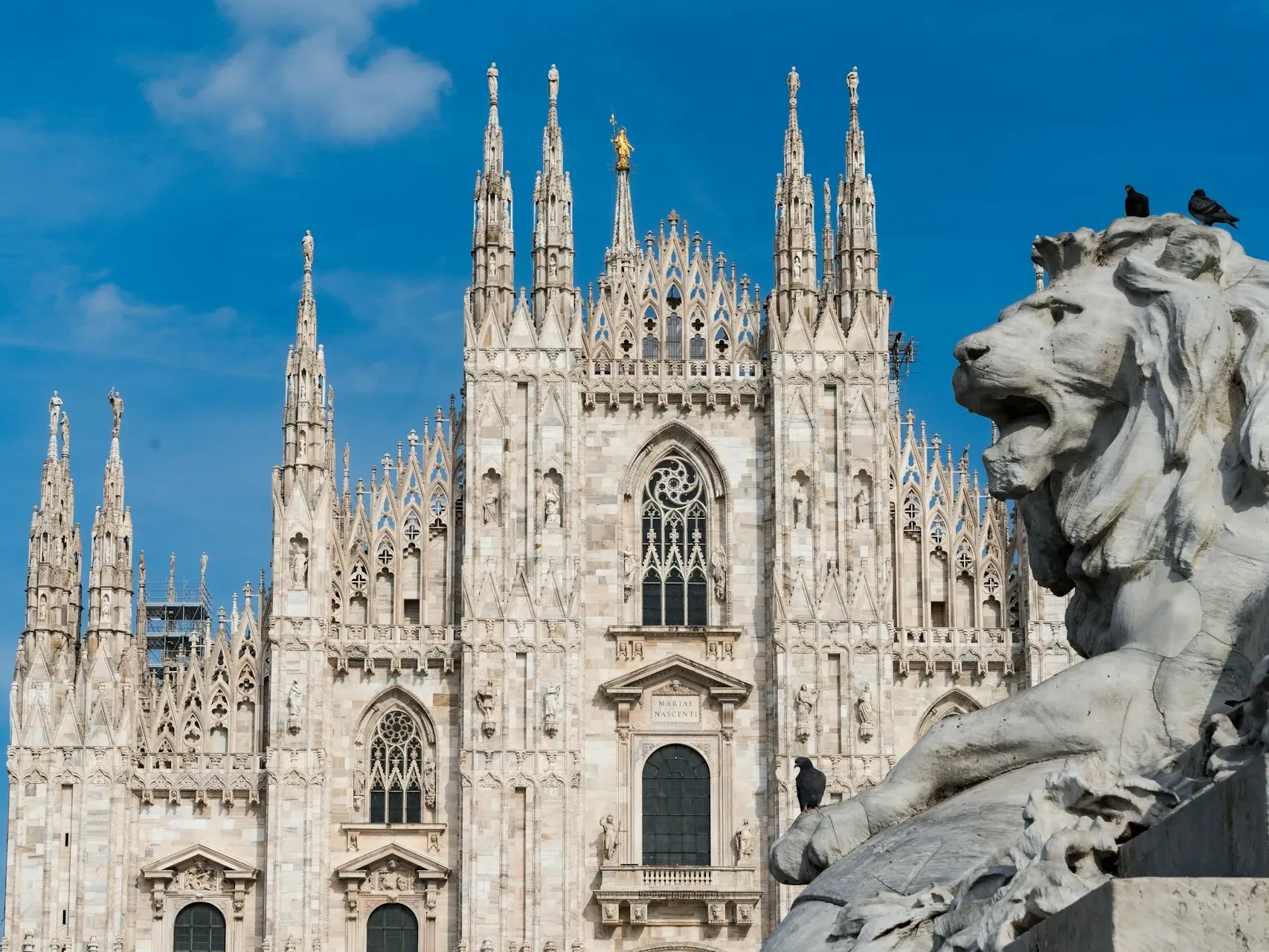
Milan CathedralSee Milan’s Duomo—Gothic spires, rooftop views, and intricate stonework in the heart of Italy’s fashion capital.
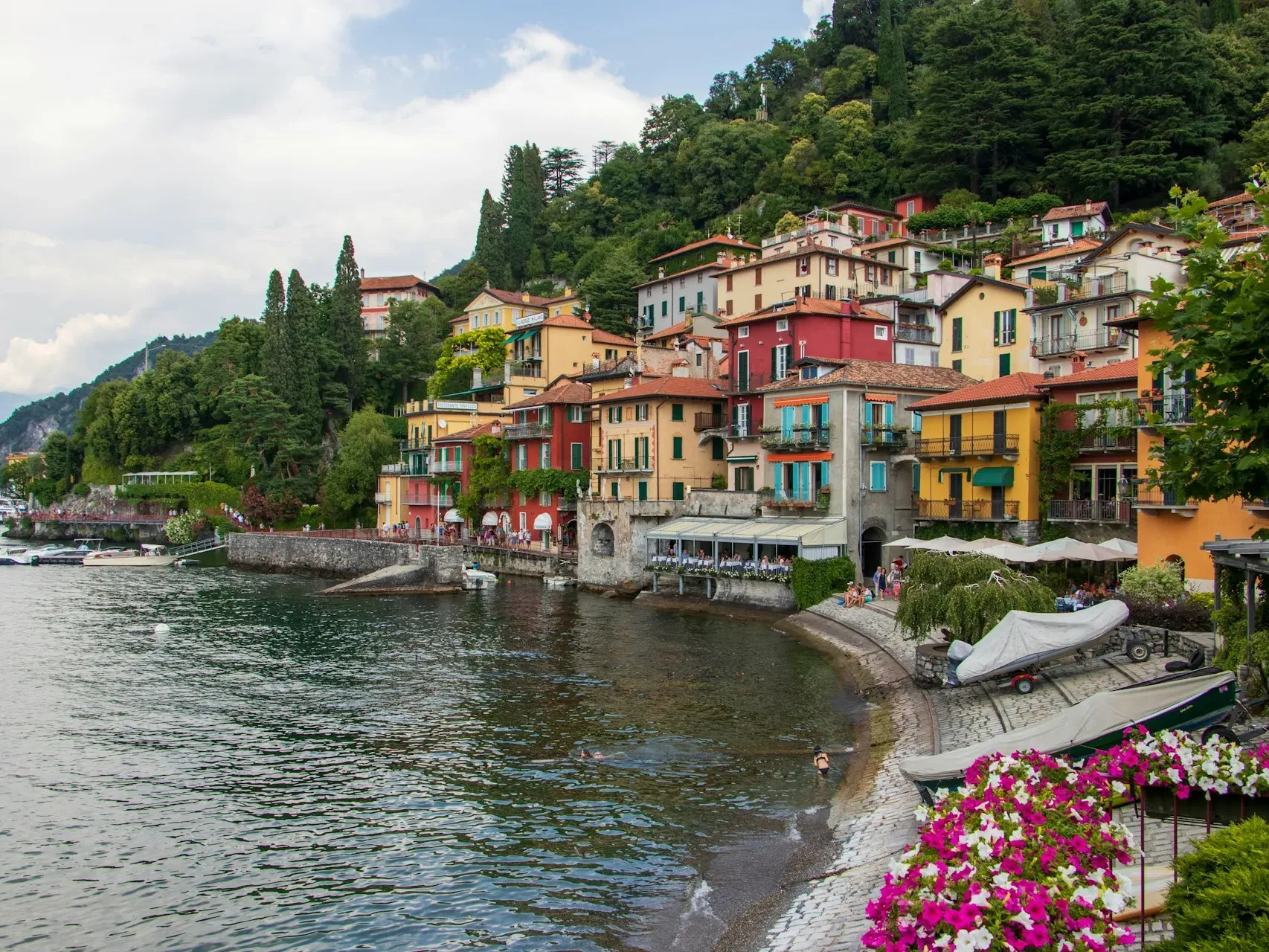
Lake ComoRelax at Lake Como—villa-dotted shores, mountain reflections, and elegant towns on one of Italy’s most scenic lakes.
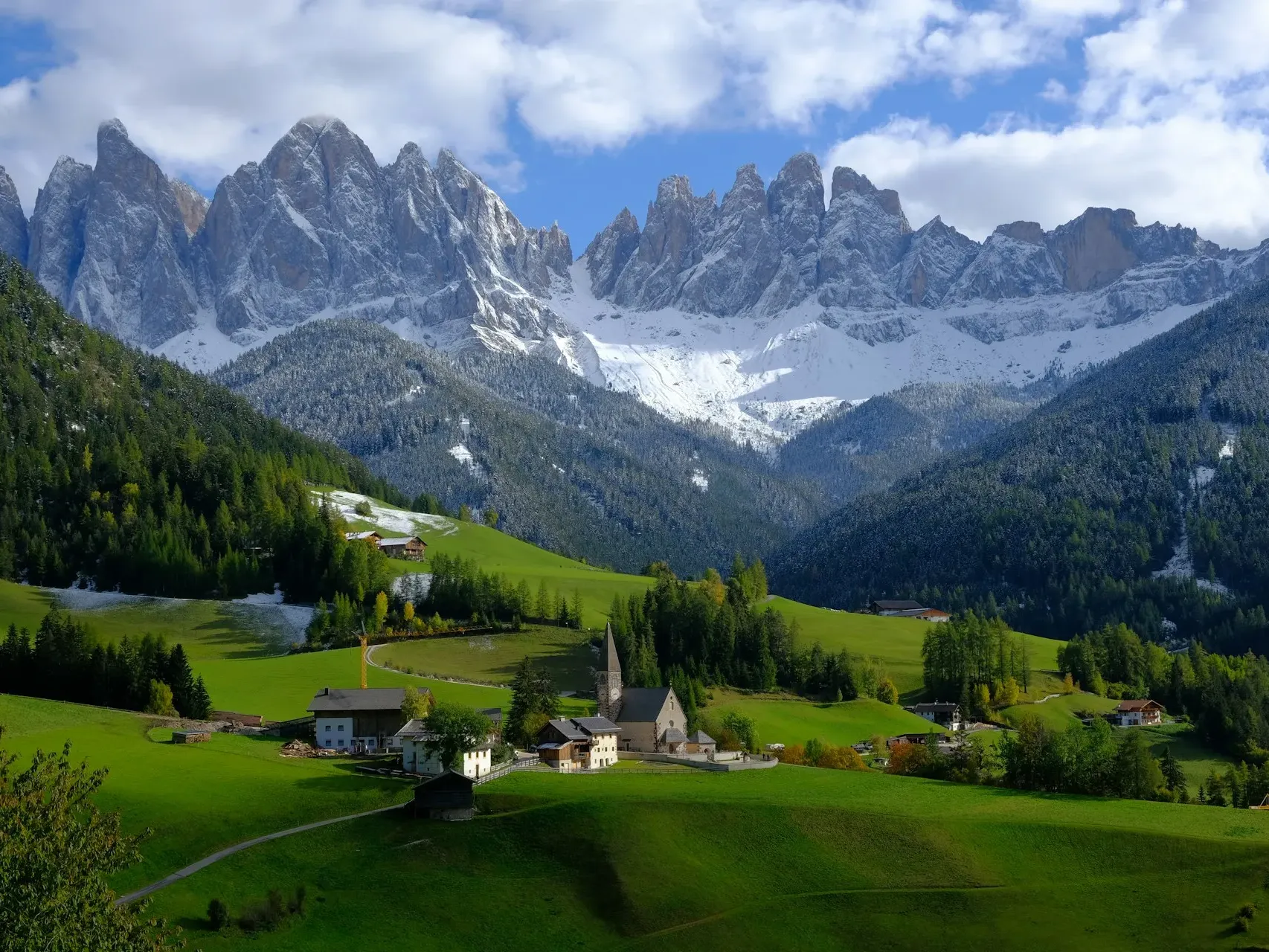
The DolomitesExplore the Dolomites—dramatic peaks, alpine meadows, and world-class hikes in northern Italy’s mountain paradise.
Best time to travel
Renaissance Cities & Coastal Escapes
Apr-Jun or Sept-Oct Comfortable temperatures for city breaks and the seaside.

Most popular time
Beach season is July - August

Most budget-friendly
Winter season is November - March

Favourite season
Most people like to visit April - May and September - October

Culturally significant times
Visit in February for Venice Carnival & Easter in Rome
Need to know
Italy at a glance

Time Zone
Central European Time (UTC +1)

Climate
Mediterranean, alpine in the north

Currency
Euro (EUR)

Transportation
Trains, buses, metro, ferries

Local cuisine
Pizza, pasta dishes, and creamy Italian gelato

Languages Spoken
Italian
Because planning should feel exciting, not exhausting
Frequently asked questions
Visa requirements may change, so for the most up to date information we recommend using our [Entry Requirements tool](https://www.gadventures.com/travel-and-visa-requirements/). Alternatively, check the Italian embassy website in your country of departure.
Italy has a diverse climate due to its varied geography, which stretches from the Alps mountain range in the north to the coastlines of the Ionian, Tyrrenhian and Adriatic seas of the centre and south. Summers (June to August) here are warm to hot, with temperatures regularly reaching 30°C (86°F) — it gets even hotter than this in the south of the country. Autumn (September to November) tends to be mild and wet — getting colder in the northern reaches of the country — with Spring (March to May) being similar if not slightly warmer.
Winter (December to February) however offers a different story. Sicily and the south tend to be relatively dry, with temperatures reaching lows of around 10°C (50°F), whereas Central Italy tends to be slightly cooler and wetter. Expect lows of 5°C (41°F). The north of the country is cold and snowy, and it often drops below freezing — particularly within the Alps.
There’s no bad time to visit Italy, but the best time to visit largely depends on what you’re looking to do while you’re here. Summers (June to August) are the time to hit the beach, though chances are you’ll be fighting off the crowds as Italy can get very busy during this period.
Autumn (September to November) is the time to come if you’re wanting to visit the wine, truffle and oil festivals which Italy is so famous for — whereas Spring (March to May) is the time to go hiking and sightseeing. Finally, Winter (December to February) offers ideal conditions for skiing and snowboarding in the Alps.
While conventions can vary from country to country, tipping is customary in Europe. A general rule is 10% of the bill for wait staff, and a smaller amount for other service providers.
Tipping is an expected, though not compulsory, component of your tour programme, and an expression of satisfaction with the people who have assisted you on your tour. There are several times during the trip where there is opportunity to tip the local guides. You may do this individually, or your CEO will offer to collect the money and tip as a group. Recommendations for tipping local guides would range from €3 to €5 per day, depending on the quality and length of the service. Ask your CEO for specific recommendations based on the circumstances and culture.
At the end of each trip, if you felt your G Adventures CEO did an outstanding job, tipping is expected and appreciated. The precise amount is a personal preference, however €30 to €40 per person, per week can be used as a guideline.
Internet access in Italy is generally pretty good. However, it tends to be better in cities and urban areas than in the countryside. Wi-Fi is available in many public places — however, the speed and connectivity may vary. Please note that if you’re using data on your phone from outside the EU, you may be subject to roaming charges. Check with your network provider before you travel.
Yes — there are plenty of ATMs (called ‘bankomats’) all across Italy. You’ll find them in banks, shopping centres and in tourist areas, and many of them are open 24/7. Most ATMS accept Visa and Mastercard and other major networks of bank cards, though fees may apply for withdrawals. Check with your bank before you travel. You should also carry cash with you (in Euros) if you’re in rural areas, in case of emergency or if you can’t access an ATM.
In general, Italy is very welcoming of LGBTQ+ people — particularly in cities like Milan, Naples, Rome, Venice, and Florence. Same-sex marriage however is still not legal here, and rural areas tend to be more conservative, so it pays to be discreet and avoid public displays of affection.
As part of their commitment, all CEOs receive LGBTQ+ inclusion training so every traveller feels respected and welcomed on all of our tours. We commit to making our tours a safe and inclusive place for people to express their authentic selves without judgement, free from any discriminatory language or harassment.
While travelling with G Adventures, all travellers must treat each other with dignity and respect to create an environment that is positive, safe, and where everyone feels welcome. You can find out more via our [LGBTQ+ travel page](https://www.gadventures.com/about-us/lgbtq-travel/).
The official language of Italy is Italian, which is spoken by pretty much everyone in the country. However, there are many regional dialects spoken here alongside Italian — including Sicilian, Neapolitan, Sardinian and Venetian. Other languages spoken here include German, French, English, Ladin, and Slovene.
In general yes — the tap water in Italy is safe to drink. If you’re trekking in very rural areas, it’s wise to check with your CEO to see if the water’s drinkable — however, in most cases you should be absolutely fine. We recommend you bring a reusable water bottle for environmental reasons for refills.
Italy is generally considered a very safe country in which to visit. However, as with everywhere else in the world, it pays to be aware of your surroundings. While rare, petty crime like pickpocketing does exist, and there are occasional tourist scams — especially on public transport and in crowded areas in Rome, Milan, Florence, Venice and Naples.
G Adventures takes all reasonable measures to ensure your safety and enjoyment while travelling with us. All of the included activities are properly vetted and regularly checked by us, and we take great care in choosing the right transportation, stays throughout your trip, and guides to lead your tour. However, there are always inherent risks when travelling — you can find out more via our [travel safety page](https://www.gadventures.com/travel-resources/safety/).
### Belgium