Iceland Tours in 2026
Velkomin til Íslands!
Isolated in the frigid North Atlantic and forged through centuries of volcanic upheaval and tectonic shifting, Iceland is staggering to look at and otherworldly to explore.

Things to do and see
Experiences that define Iceland
Northern lightsChase the northern lights—dancing aurora skies and winter-night magic in the world’s best high-latitude destinations.
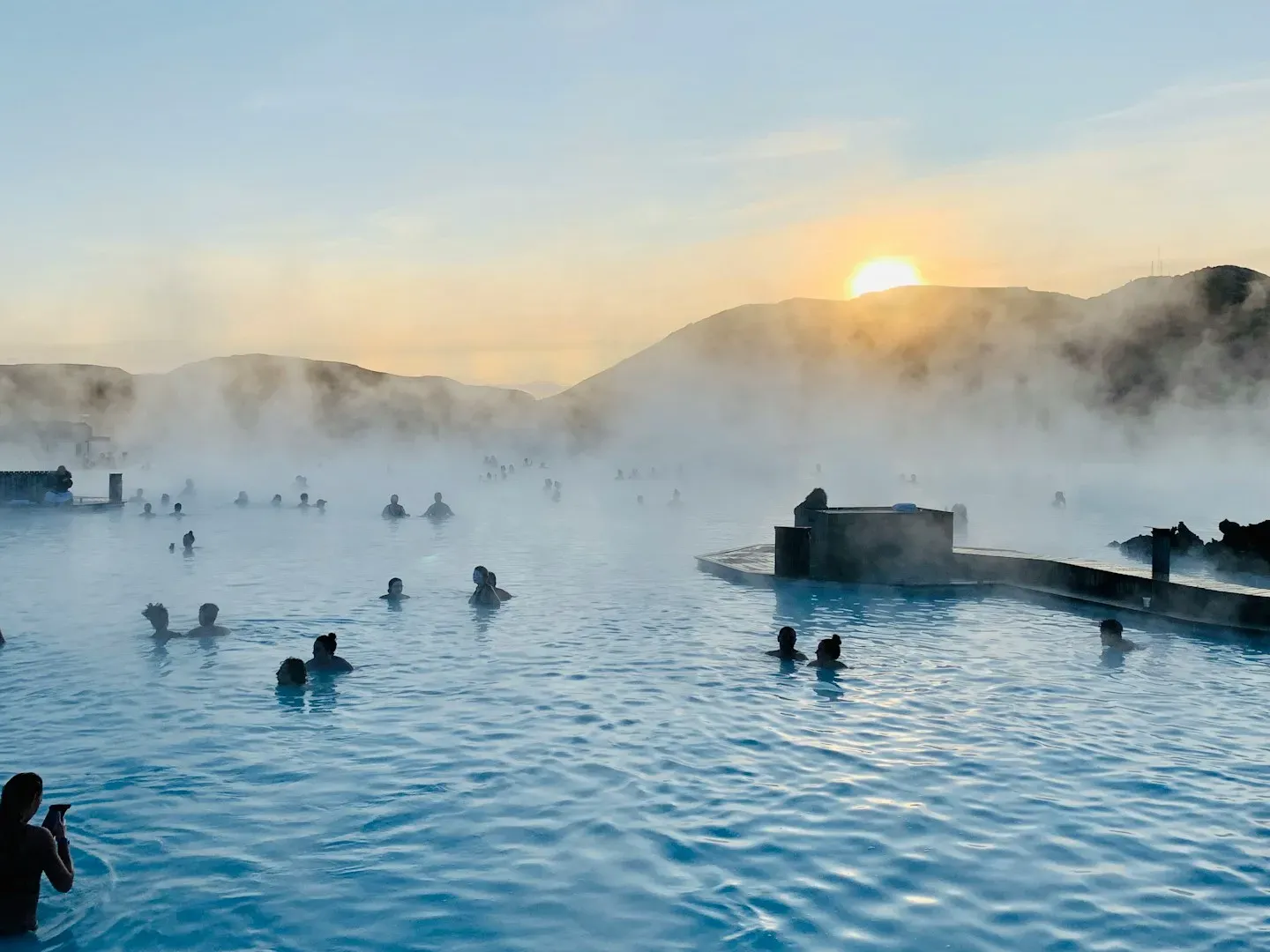
Blue LagoonSoak in Iceland’s Blue Lagoon—geothermal waters, silica-rich steam, and a relaxing spa experience near Reykjavík.
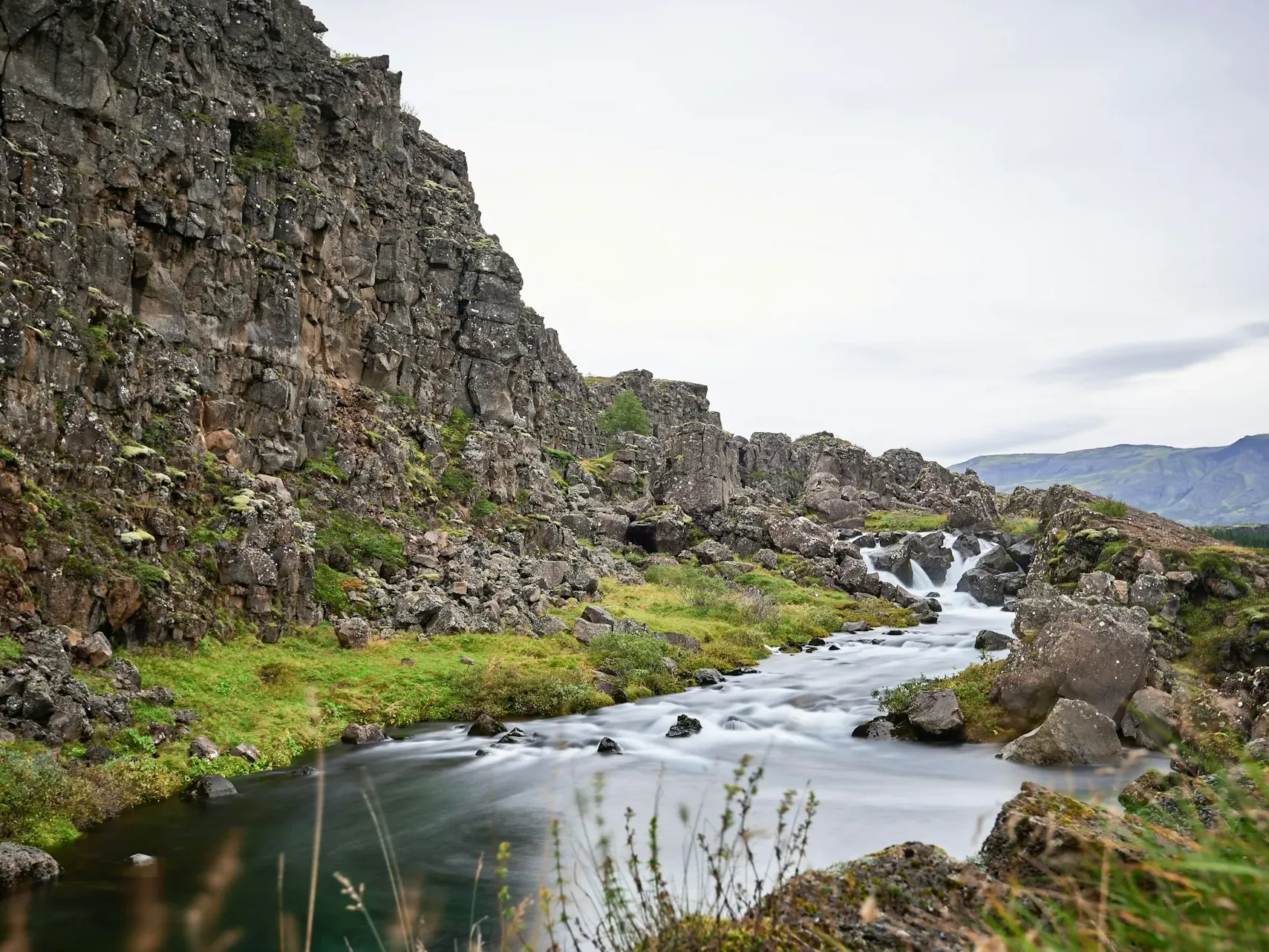
Golden CircleTour Iceland’s Golden Circle—geysers, waterfalls, and rift valleys on the country’s classic scenic route.
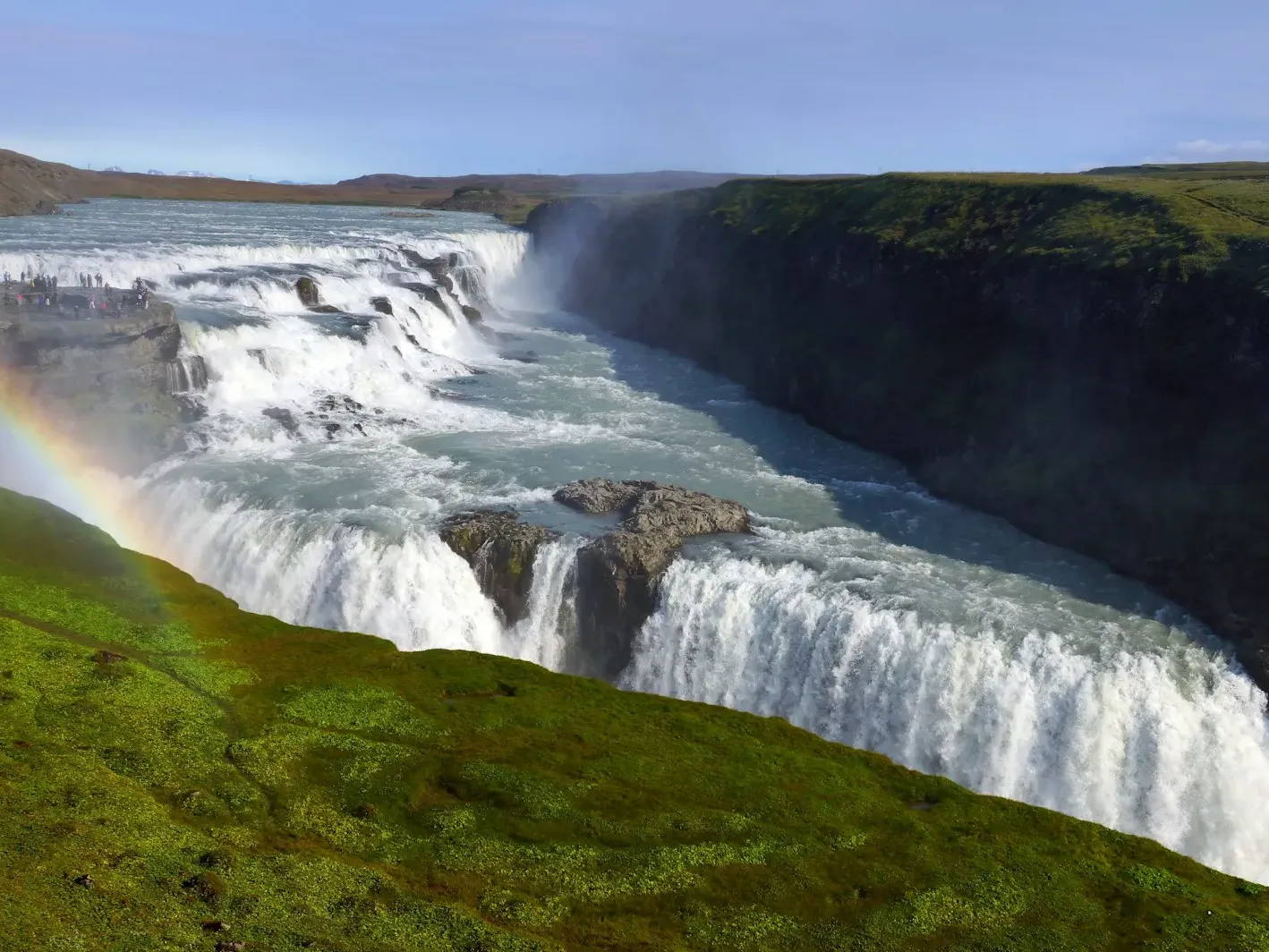
Gullfoss WaterfallSee Gullfoss—an epic Icelandic waterfall crashing into a canyon, with misty viewpoints and powerful winter scenery.
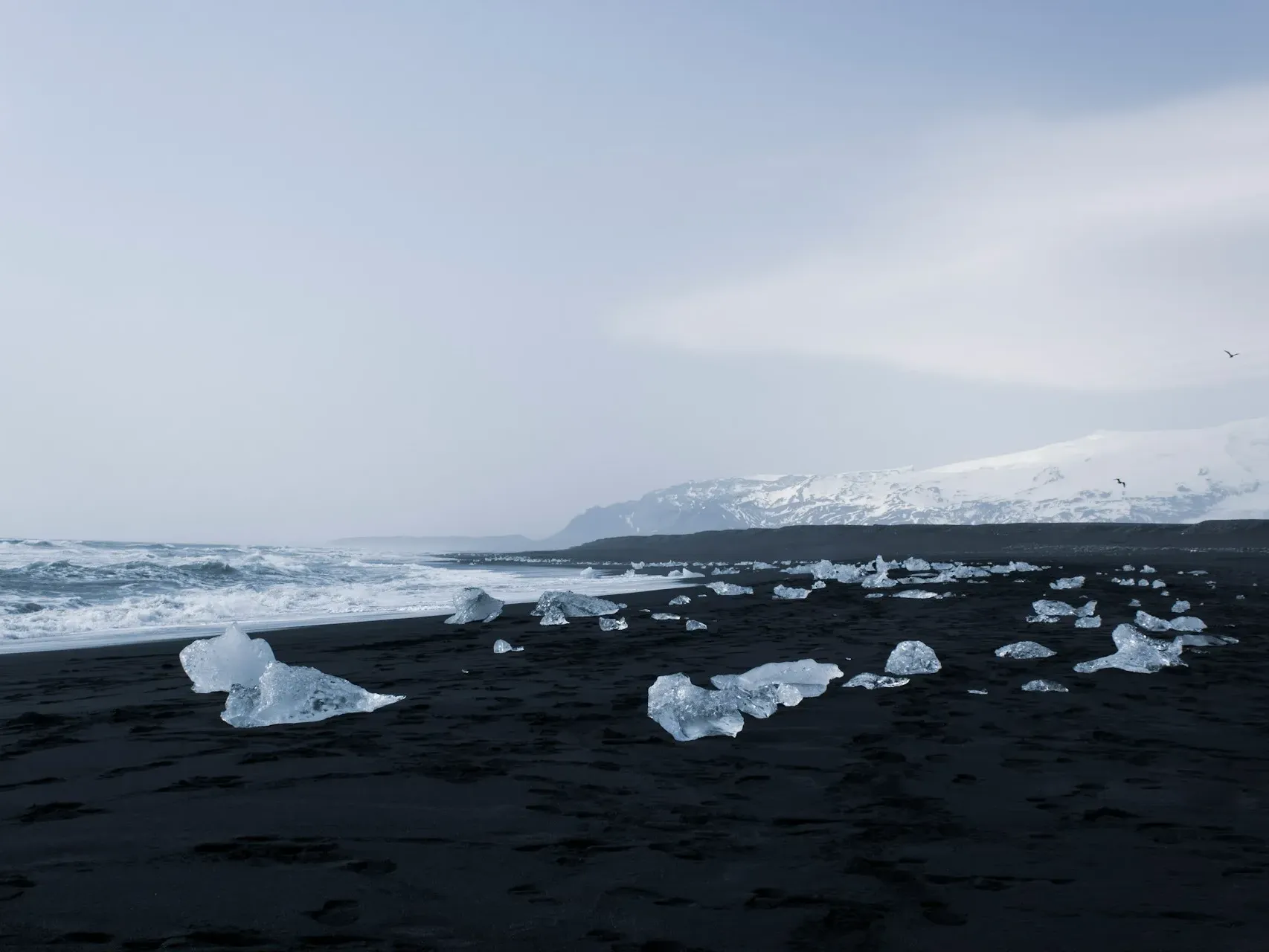
Diamond BeachWalk Diamond Beach—black sand dotted with glittering ice chunks washed ashore from nearby glaciers in Iceland.
Volcanoes and glaciersExplore volcanoes and glaciers—lava fields, ice caps, and dramatic contrasts that define Iceland’s landscapes.
Best time to travel
Midnight Sun & Northern Lights
Jun-Aug for whale watching and hiking, Sept-Mar for the Northern Lights.

Most popular time
Longest days are July - August

Most budget-friendly
Low season is October - March

Favourite season
Most people like to visit during June - August

Culturally significant times
Visit in June for Secret Solstice music festival
Need to know
Iceland at a glance

Time Zone
Greenwich Mean Time (UTC)

Climate
Subarctic, coastal areas are milder

Currency
Icelandic Króna (ISK)

Transportation
Buses, domestic flights, ferries

Local cuisine
Skyr yogurt, lamb soup, and fermented hákarl

Languages Spoken
Icelandic
Because planning should feel exciting, not exhausting
Frequently asked questions
The best time to visit Iceland really depends on what you’re looking to do and see. Summer (June to August) is the peak season and sees long days, the best weather, and the best conditions for hiking. Winter (November to February) is the best time to see the Northern Lights, though the nights are dark and long and you’ll experience plenty of snow.
The shoulder seasons (March to May and September to October) offer fewer crowds and plenty of activities — but rain can put a damper on things.
Tipping in Iceland is not customary, and in many cases, a service charge is added to the bill which means that it’s not necessary to add a tip. If you wish to express your satisfaction with the service in a bar or restaurant, then a tip of 10% is perfectly acceptable.
Recommendations for tipping local guides would range from the equivalent of USD $3-5 per day depending on the quality and length of the service; ask your CEO for specific recommendations based on the circumstances and culture.
At the end of each trip if you felt your G Adventures CEO did an outstanding job, tipping is appreciated. The amount is entirely a personal preference, however as a guideline €30 to 40 per person, per week can be used.
ATMs can be found in most villages and small towns, though they’re more common in the capital Reykjavík.
Pretty much all ATMS accept Visa and Mastercard and other major networks of bank cards, though fees may apply for withdrawals. Check with your bank before you travel. You should also carry cash with you if you’re in remote areas in case of emergency or if you can’t access an ATM. You should also be aware that not all ATMs work 24/7 — plan accordingly.
As currency exchange rates can fluctuate often we ask that you refer to the following website for daily exchange rates: [www.xe.com](http://www.xe.com).
In a word, yes. Iceland is considered one of the most LGBTQ+-friendly countries in the world, and the country has a long history of supporting LGBTQ+ rights. Same-sex marriage has been legal since 2010, transgender individuals are able to legally change their gender without having surgery, and there’s a lively LGBATQ+ scene in the capital.
As part of their commitment, all CEOs receive LGBTQ+ inclusion training so every traveller feels respected and welcomed on all of our tours. We commit to making our tours a safe and inclusive place for people to express their authentic selves without judgement, free from any discriminatory language or harassment.
While travelling with G Adventures, all travellers must treat each other with dignity and respect to create an environment that is positive, safe, and where everyone feels welcome. You can find out more via our [LGBTQ+ travel page](https://www.gadventures.com/about-us/lgbtq-travel/).
The official language of Iceland is Icelandic — a north Germanic language which has remained the same for centuries. Pretty much everyone here speaks it, but many also speak English and Danish too.
Yes — you can drink the tap water in Iceland. In fact, it’s considered some of the purest and cleanest water in the world, as it’s sourced from the country’s natural springs and glaciers.
Iceland consistently ranks as one of the safest countries in the world, and crime is extremely rare here. That said, this is a geographically-active region, so natural events like earthquakes and volcanic eruptions can sometimes occur.
G Adventures takes all reasonable measures to ensure your safety and enjoyment while travelling with us. All of the included activities are properly vetted and regularly checked by us, and we take great care in choosing the right transportation, stays throughout your trip, and guides to lead your tour. However, there are always inherent risks when travelling — you can find out more via our [travel safety page](https://www.gadventures.com/travel-resources/safety/).