Czech Republic Tours in 2026
Vítejte v České republice!
Mountains, history and great beer: Czechia is a place for hiking, pub visits and architecture spotting, especially in Prague’s well-preserved medieval old town.

Things to do and see
Experiences that define Czech Republic
Architecture in PragueAdmire Prague’s architecture—Gothic spires, baroque façades, and Old Town charm along the Vltava River.
Pilsner beerTaste Czech pilsner—crisp lagers poured fresh in classic pubs, a cornerstone of Czech beer culture.
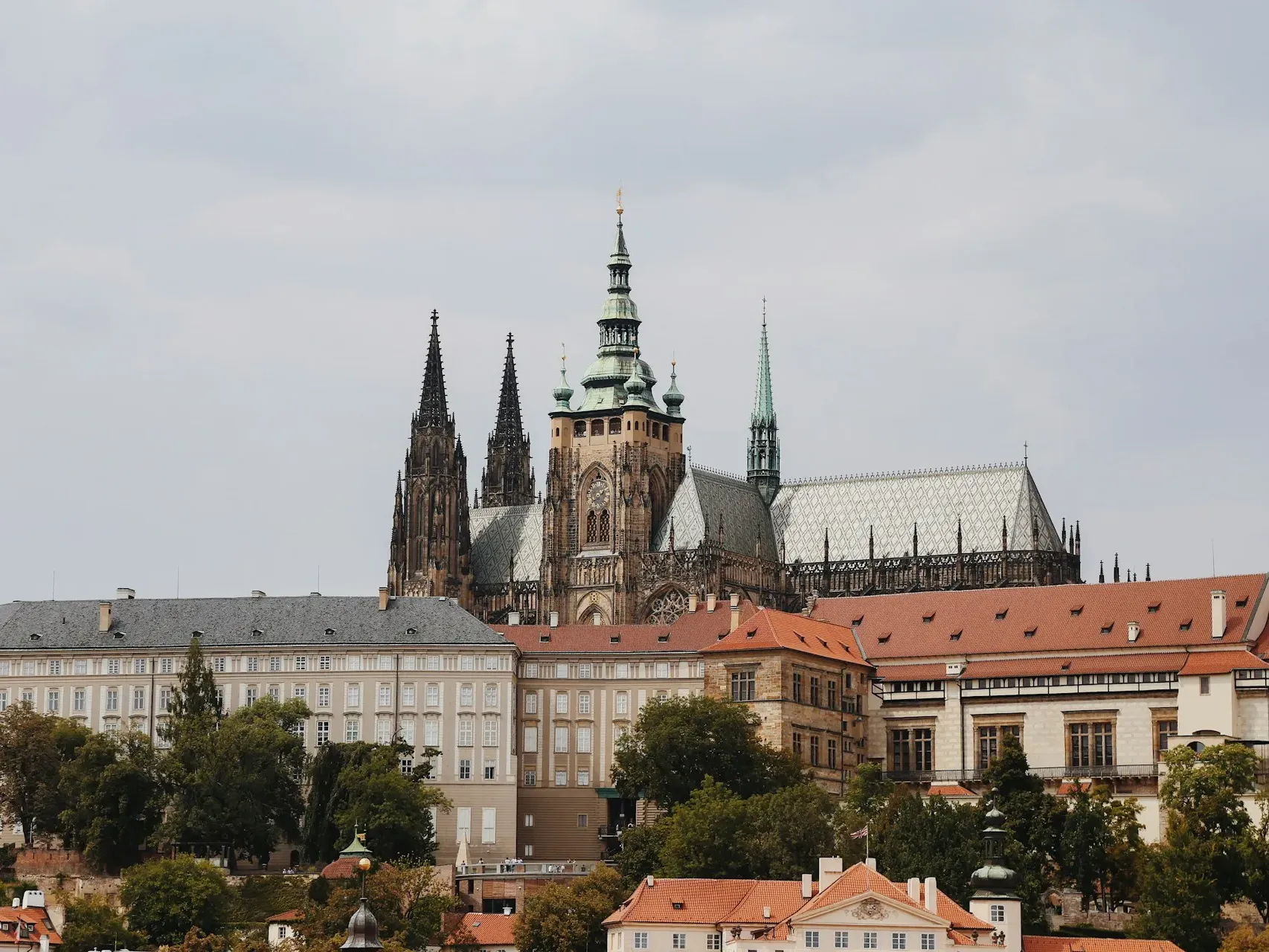
St. Vitus CathedralVisit St. Vitus Cathedral—Gothic grandeur, stained glass, and Prague Castle views above the city.

Prague CastleExplore Prague Castle—palaces, cathedrals, and sweeping viewpoints in one of the world’s largest castle complexes.
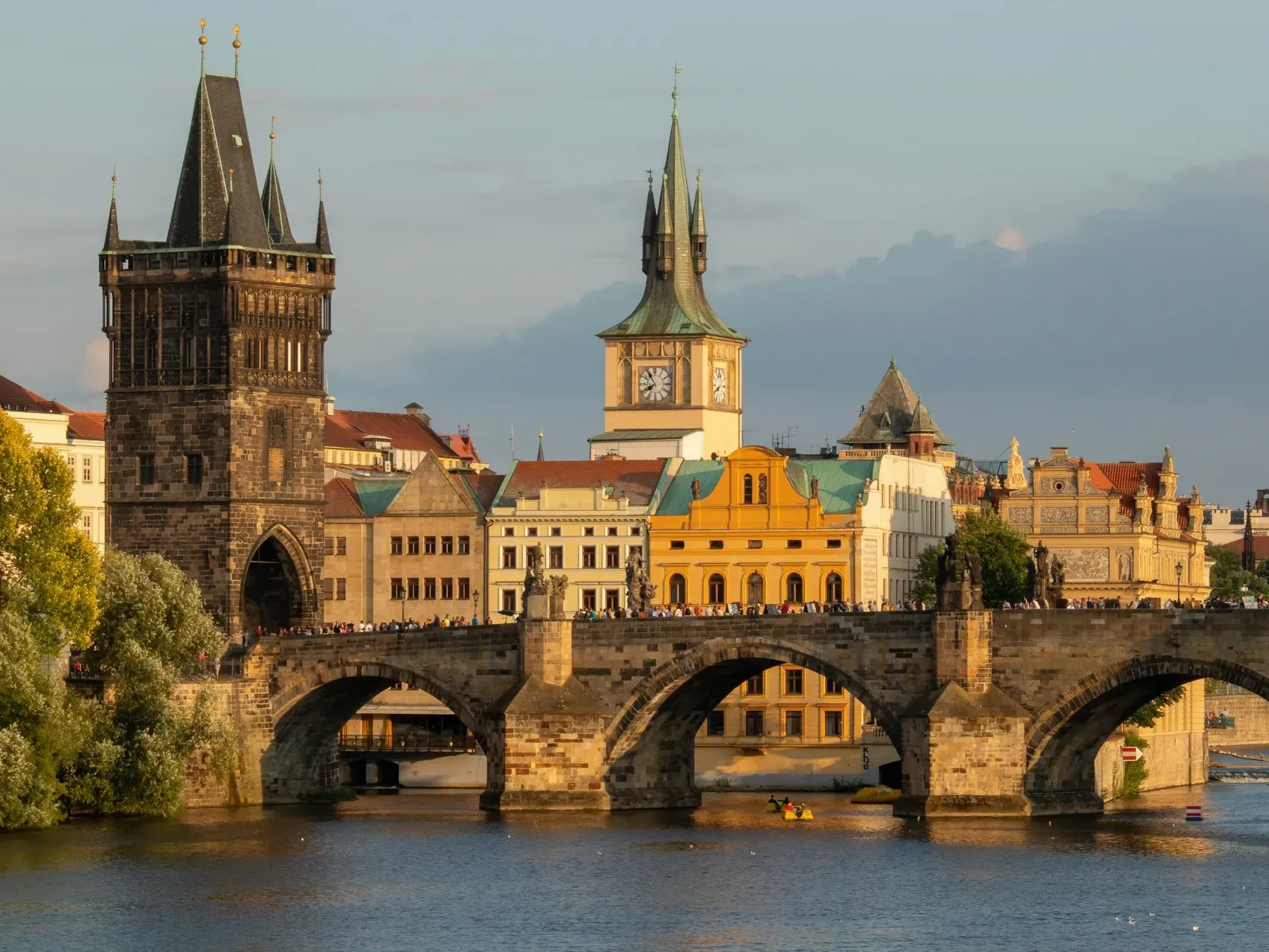
Charles BridgeWalk Charles Bridge—statues, river views, and sunrise-to-sunset atmosphere linking Prague’s Old Town and Lesser Town.
Sedlec OssuarySee Sedlec Ossuary—an eerie bone chapel decorated with human skeletons, one of Czechia’s most unforgettable sites.
Best time to travel
Castles & Café Culture
Apr-May or Sept-Oct. Pleasant temperatures for Prague and surrounding areas.

Most popular time
Jun-Aug for sunny weather.

Most budget-friendly
Late winter months, Jan-Mar.

Favourite season
Most people like to visit during June - August

Culturally significant times
Visit in May for Prague Spring Festival
Need to know
Czechia at a glance

Time Zone
Central European Time (UTC +1)

Climate
Temperate, four seasons

Currency
Czech Koruna (CZK)

Transportation
Metro (Prague), trams, buses, trains

Local cuisine
Svíčková beef, guláš stew, and sweet trdelník pastry

Languages Spoken
Czech
Because planning should feel exciting, not exhausting
Frequently asked questions
Visa requirements may change, so for the most up to date information we recommend using our [Entry Requirements tool](https://www.gadventures.com/travel-and-visa-requirements/). Alternatively, check the Czech embassy website in your country of departure.
There aren’t any specific vaccine requirements needed for the Czech Republic. However, as advice can often change, you can check out our [Entry Requirements tool](https://www.gadventures.com/travel-and-visa-requirements/) for the most up-to-date details on vaccination requirements.
The Czech Republic, like much of Europe, has a temperature climate with four distinct seasons. Summers (June to August) here tend to be warm and sunny, with temperatures sometimes reaching highs of 26°C (78.8°F). You should expect occasional thunderstorms too. Winters (December to February) are cold and often freezing, with temperatures often reaching \-2°C (28.4°F) — snowfall is common at this time too.
Spring tends to be chilly in March with temperatures reaching up to 18°C (64.4°F) in May — Autumn is similar with frequent rainfall.
While there’s never a bad time to visit the Czech Republic, the best time is generally from late Spring to early Autumn (May to September). The weather is at its most pleasant and the days tend to be long and sunny — plus, there are plenty of festivals and events on during the Summer months.
While conventions can vary from country to country, tipping is customary in Europe. A general rule is 10% of the bill for wait staff, and a smaller amount (€1 or €2) for other service providers.
Tipping is an expected, though not compulsory, component of your tour programme, and an expression of satisfaction with the people who have assisted you on your tour. There are several times during the trip where there is opportunity to tip the local guides. You may do this individually, or your CEO will offer to collect the money and tip as a group. Recommendations for tipping local guides would range from €3 to €5 per day, depending on the quality and length of the service. Ask your CEO for specific recommendations based on the circumstances and culture.
At the end of each trip, if you felt your G Adventures CEO did an outstanding job, tipping is expected and appreciated. The precise amount is a personal preference, however €30 to €40 per person, per week can be used as a guideline.
Internet access in the Czech Republic is fairly good and reliable, and most cities have excellent coverage. You’ll be able to access free Wi-Fi in many public places like restaurants, libraries, stations and cafes, though you should be aware that in rural areas, connections may be slower. Please also note that if you’re using data on your phone from outside the EU, you may be subject to roaming charges. Check with your network provider before you travel.
In a word, yes — there are plenty of ATMs (or ‘bankomats’) in the Czech Republic — particularly in major cities and towns. Most ATMs accept major credit and debit cards like Visa, MasterCard, and American Express, though you should check with your bank in case of withdrawal fees. To avoid these, it’s best to use ATMs from major banks like ČSOB, Raiffeisen Bank, and Komerční Banka too.
You should also carry cash with you if you’re in remote areas in case of emergency or if you can’t access an ATM. You should also be aware that not all ATMs work 24/7 — plan accordingly.
As currency exchange rates can fluctuate often we ask that you refer to the following website for daily exchange rates: [www.xe.com](http://www.xe.com).
The official language of the Czech Republic is Czech, which is spoken by the majority of the population. Given the diverse population resident here, other languages spoken here include Slovak, Polish, English, Russian, Ukrainian and Vietnamese.
Yes, you can drink tap water all over the Czech Republic as a general rule. We recommend you bring a reusable water bottle for environmental reasons.