Croatia Tours in 2026
Dobrodošli u Hrvatsku!
Whether sailing its azure Adriatic coast, exploring its medieval cities or sampling its world-class food and wine, Croatia will delight at every turn.

Things to do and see
Experiences that define Croatia
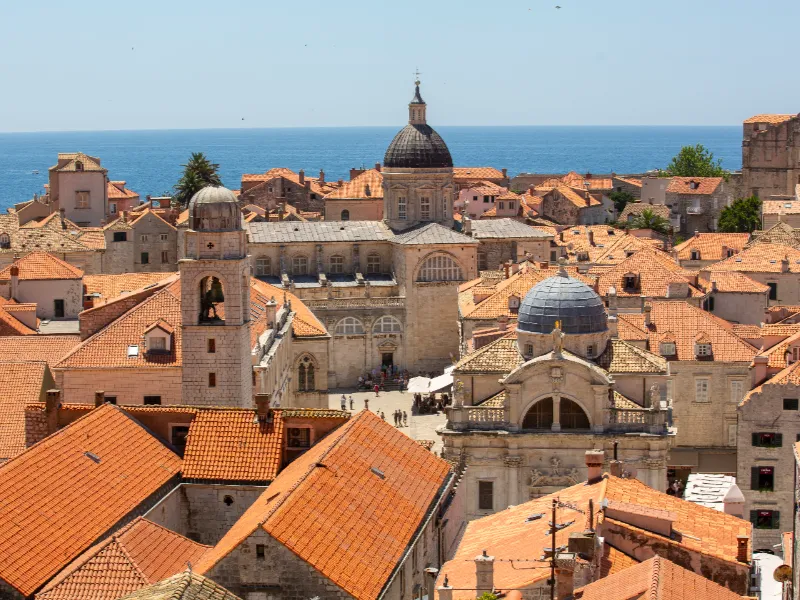
Historic citiesWander historic cities—ancient ruins, old-town squares, and layered cultures across Europe’s most storied destinations.
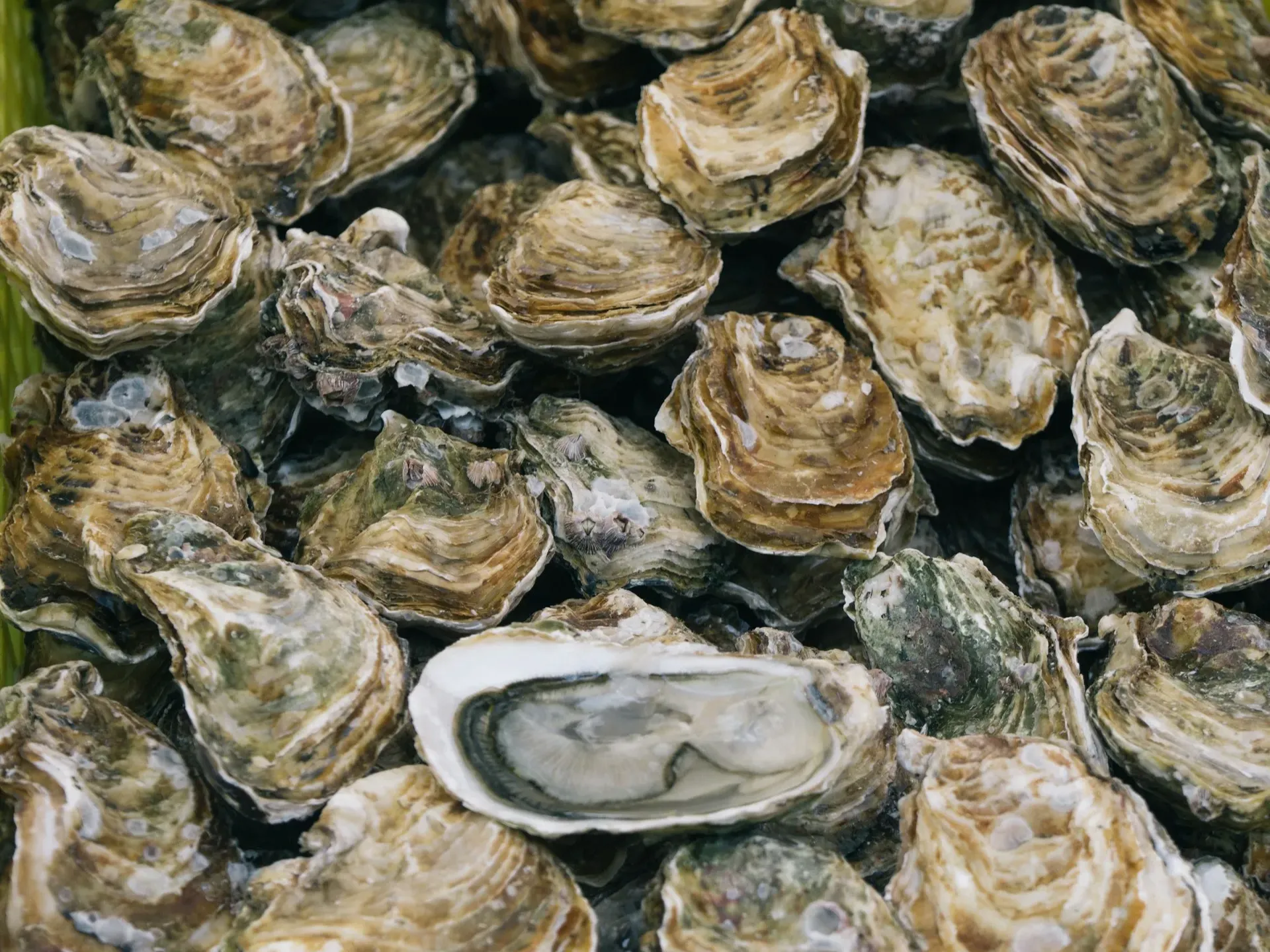
Oysters in BistrinaTaste oysters in Bistrina—fresh Adriatic flavours served seaside in a small coastal village known for shellfish and local hospitality.
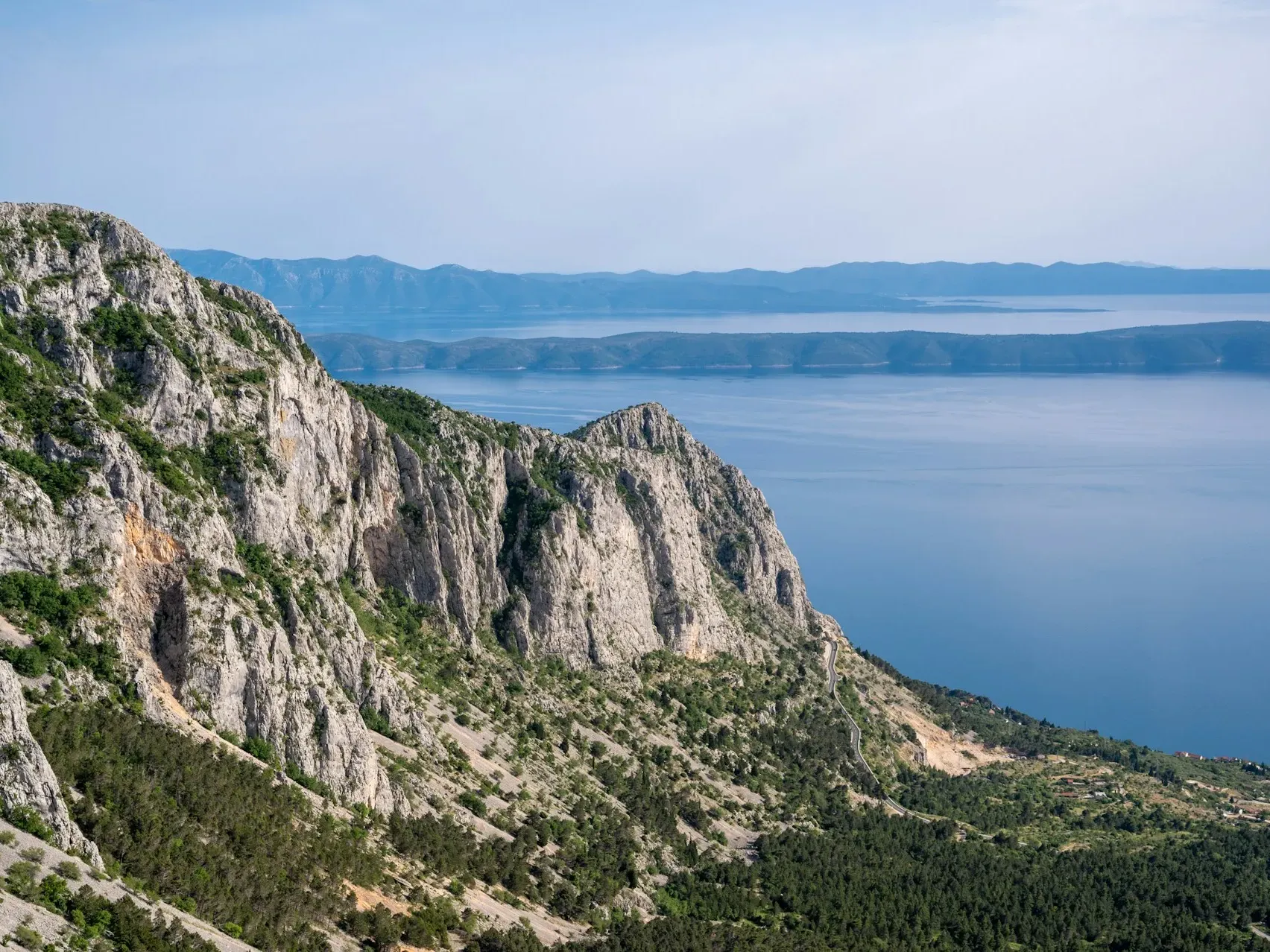
Karst formationsExplore karst landscapes—limestone cliffs, caves, and dramatic rock formations shaped by water over centuries.
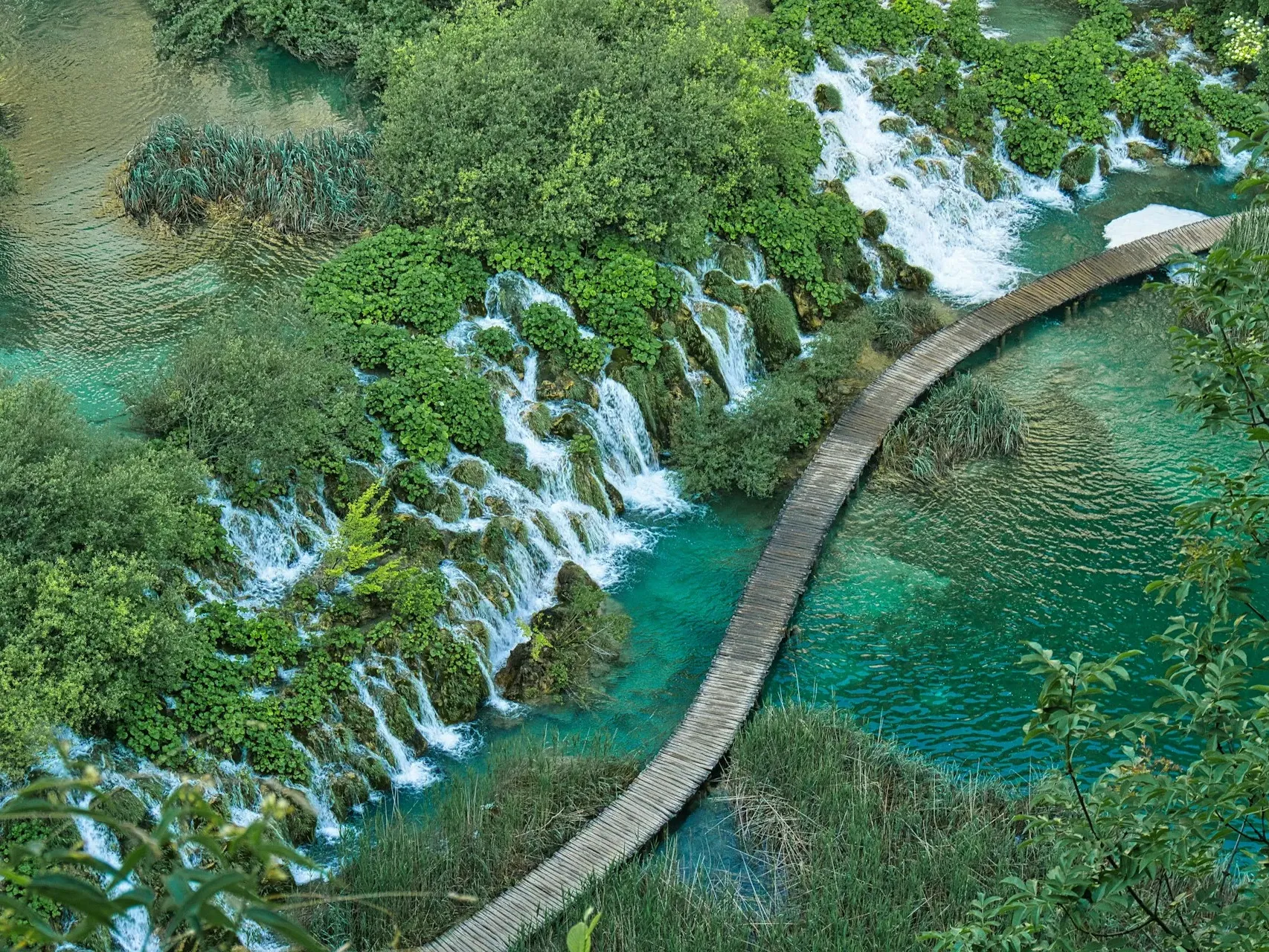
Plitviče Lakes National ParkVisit Plitviče Lakes—turquoise pools, cascading waterfalls, and forest boardwalks in Croatia’s iconic national park.
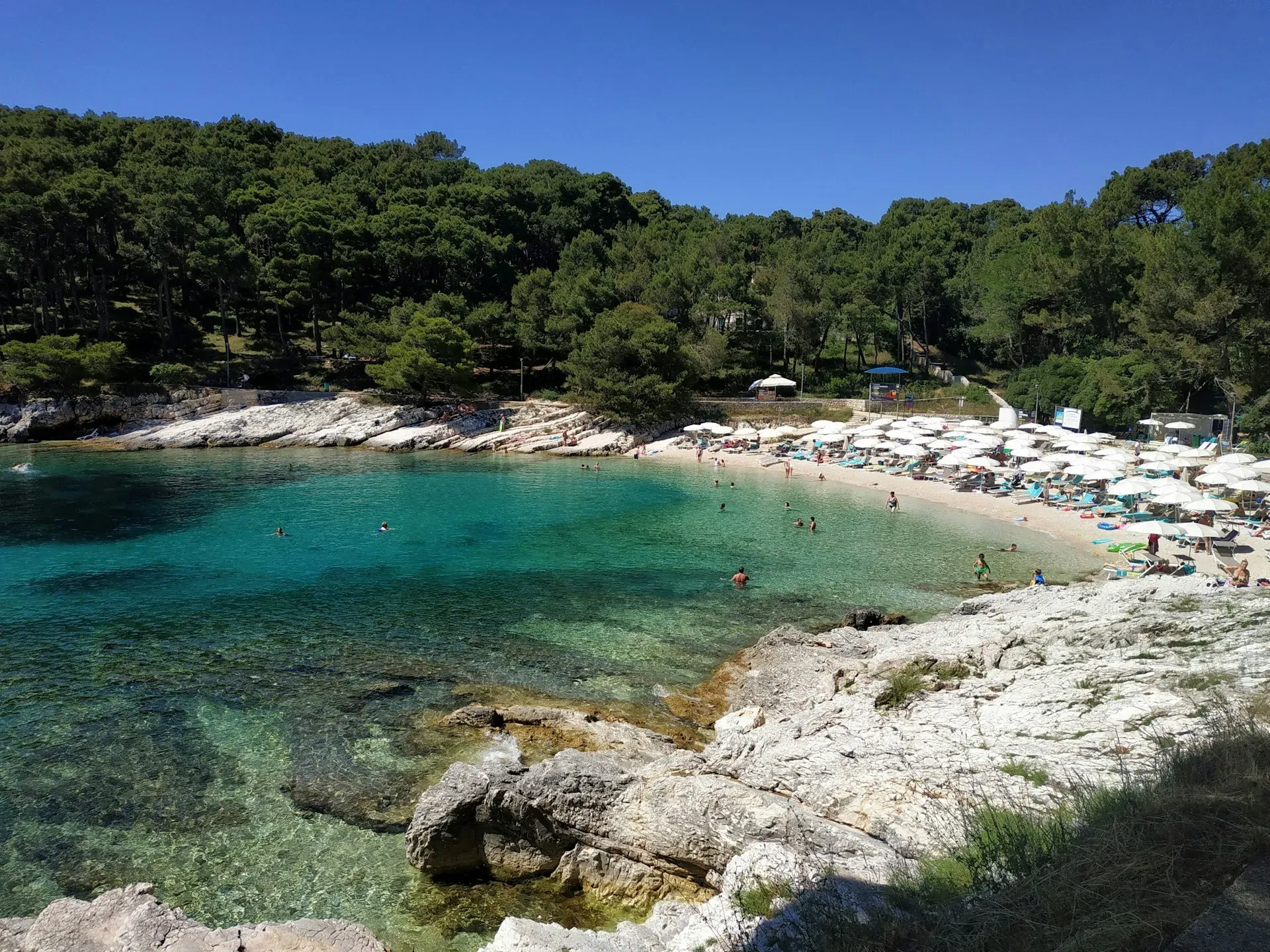
Azure coastEnjoy the azure Adriatic coast—clear water, rocky coves, and sun-soaked seaside towns perfect for swimming and relaxing.
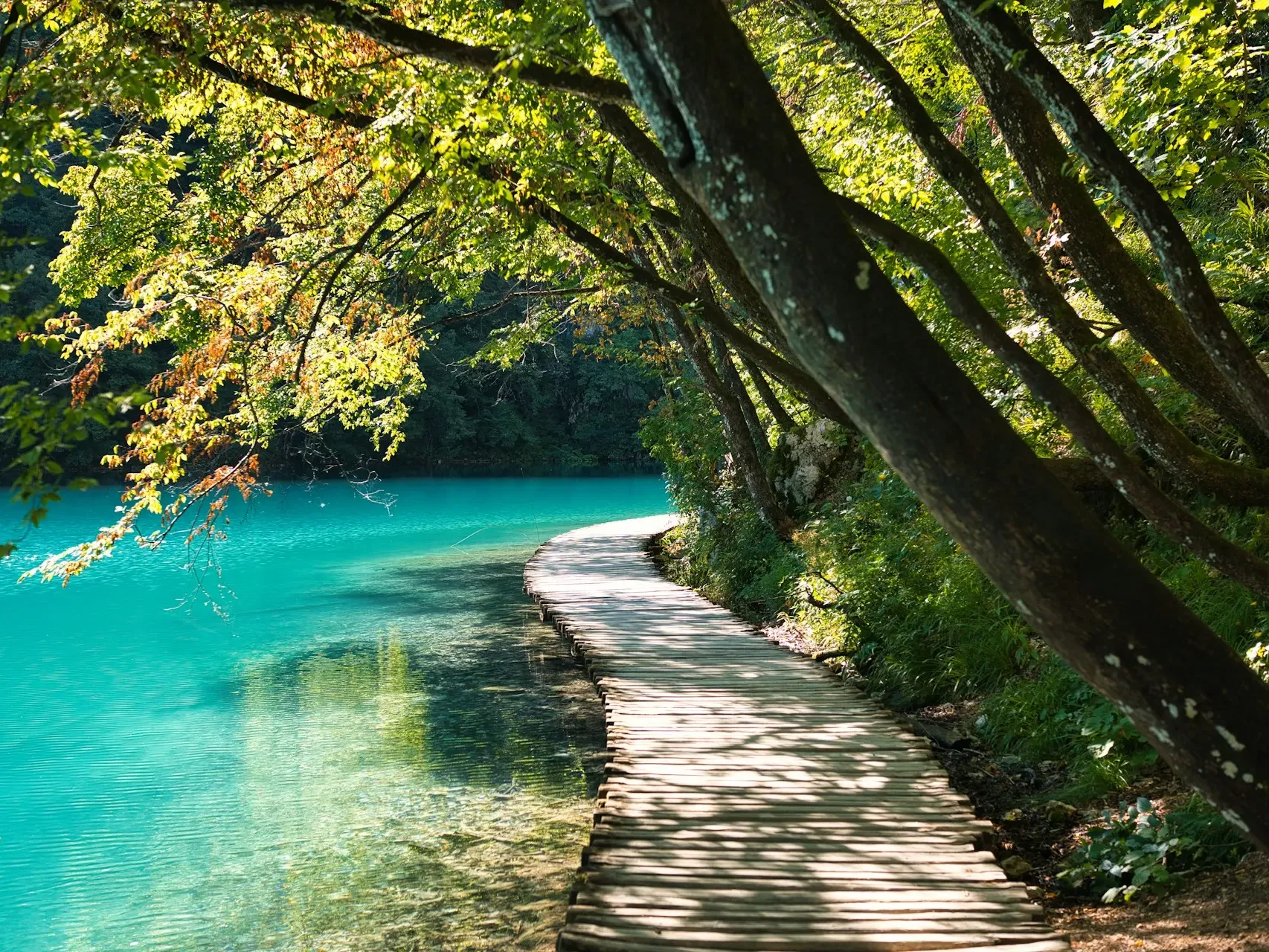
Forest hikingHike through forest trails—shaded paths, mountain air, and nature escapes across the Balkans’ wild landscapes.
Best time to travel
Island Hopping & Walled Cities
May, June, and September has good weather for exploring national parks and cities

Most popular time
Sunseekers head to Adriatic Islands July - August

Most budget-friendly
Low season is November - March

Favourite season
Most people like to visit during June - September

Culturally significant times
Visit in March for Rijeka Carnival
Need to know
Croatia at a glance

Time Zone
Central European Time (UTC +1)

Climate
Mediterranean coast, continental inland

Currency
Euro (EUR)

Transportation
Trains, buses, ferries, trams (Zagreb)

Local cuisine
Peka roast, squid ink risotto, and beef pašticada

Languages Spoken
Croatian
Because planning should feel exciting, not exhausting
Frequently asked questions
Croatia experiences a variety of climates depending on the region. Summers (June to August) in the Mediterranean are hot and dry, with temperatures often soaring to around 30°C (86°F) — in inland areas, they’re about five degrees cooler, and even cooler in the mountains. Winters (December to February) are mild and wet by the coast, with temperatures floating between 10 to 15°C (59°F). They can often get below freezing in the mountains, and snowfall is common. In inland areas, temperatures tend to remain in single figures.
The best time to visit Croatia largely depends on what you’re looking to do. For beach holidays, Summer (June to August) tends to be the best, whereas Spring (March to May) and Autumn (September to November) are the best time to come for sightseeing, hiking, and exploring historical sites as the crowds are fewer and the temperatures are pleasant. Winters (December to February) is the quietest time of year to come, and some tourist attractions may be closed.
While conventions can vary from country to country, tipping is customary in Europe. A general rule is 10% of the bill for wait staff, and a smaller amount for other service providers.
Tipping is an expected, though not compulsory, component of your tour programme, and an expression of satisfaction with the people who have assisted you on your tour. There are several times during the trip where there is opportunity to tip the local guides. You may do this individually, or your CEO will offer to collect the money and tip as a group. Recommendations for tipping local guides would range from €3 to €5 per day, depending on the quality and length of the service. Ask your CEO for specific recommendations based on the circumstances and culture.
At the end of each trip, if you felt your G Adventures CEO did an outstanding job, tipping is expected and appreciated. The precise amount is a personal preference, however €30 to €40 per person, per week can be used as a guideline.
Internet access in Croatia is generally pretty good, and you can find Wi-Fi in public places like restaurants, hotels, hostels, libraries, parks, train stations and cafés. You should be aware that if you’re using data on your phone, you may be subject to roaming charges.
Yes, ATMs (locally known as ‘bankomats’) are widely available throughout Croatia. You’ll find them in cities, towns, and even smaller villages, and they are commonly located at banks, supermarkets, airports, train stations, and near grocery stores too. Please be aware that there may be withdrawal fees — check with your bank before you travel.
As currency exchange rates can fluctuate often we ask that you refer to the following website for daily exchange rates: [www.xe.com](http://www.xe.com).
Croatia is fairly LGBTQ+-friendly, and if you’re in towns and urban areas, you’re unlikely to run into any issues here. However, if you’re in more rural areas, opinions may be more conservative. Be discreet and you should be fine.
As part of their commitment, all CEOs receive LGBTQ+ inclusion training so every traveller feels respected and welcomed on all of our tours. We commit to making our tours a safe and inclusive place for people to express their authentic selves without judgement, free from any discriminatory language or harassment.
While travelling with G Adventures, all travellers must treat each other with dignity and respect to create an environment that is positive, safe, and where everyone feels welcome. You can find out more via our [LGBTQ+ travel page](https://www.gadventures.com/about-us/lgbtq-travel/).
In Croatia, the primary language spoken is Croatian, which is spoken by nearly 95% of the population. Other languages spoken here include Serbian, Hungarian, Slovak, Romanian and English.
Yes, you can drink tap water all over Croatia as a general rule. We recommend you bring a reusable water bottle for environmental reasons as there are numerous filling stations.
In general, yes, Croatia is a safe country in which to visit — in fact, it ranks as one of the safest countries in the world. That being said, petty crime like pickpocketing does still exist here — particularly in large cities — so it’s wise to be aware of your surroundings.
G Adventures takes all reasonable measures to ensure your safety and enjoyment while travelling with us. All of the included activities are properly vetted and regularly checked by us, and we take great care in choosing the right transportation, stays throughout your trip, and guides to lead your tour. However, there are always inherent risks when travelling — you can find out more via our [travel safety page](https://www.gadventures.com/travel-resources/safety/).
### Spain