Tibet Tours & Guided Travel in 2026
བོད་ལ་ཕེབས་པའི་དགའ་བསུ།
A trip to Tibet is a spiritual journey to sacred Himalayan peaks, stupas, turquoise lakes, incense-filled monasteries, and outpost towns where yaks roam free.

Things to do and see
Experiences that define Tibet
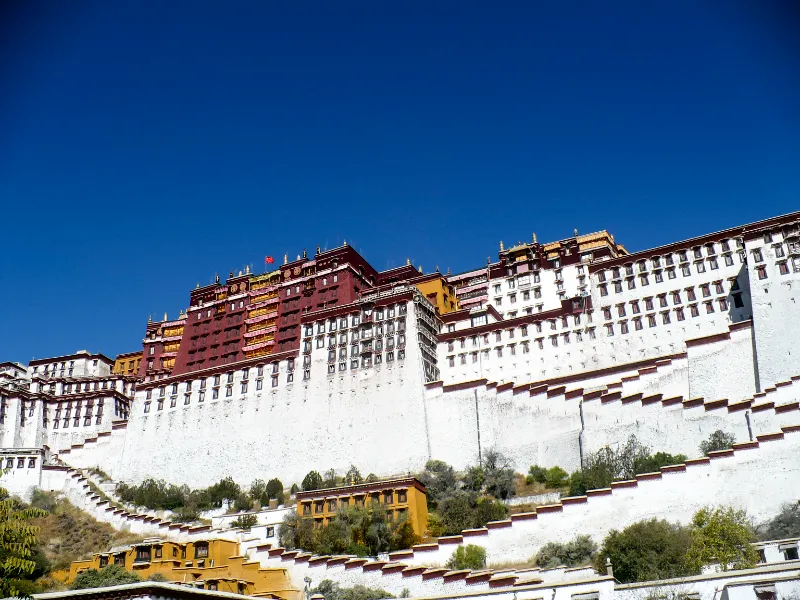
Potala PalaceVisit Potala Palace—Lhasa’s iconic hilltop fortress with Tibetan history, chapels, and sweeping city views.
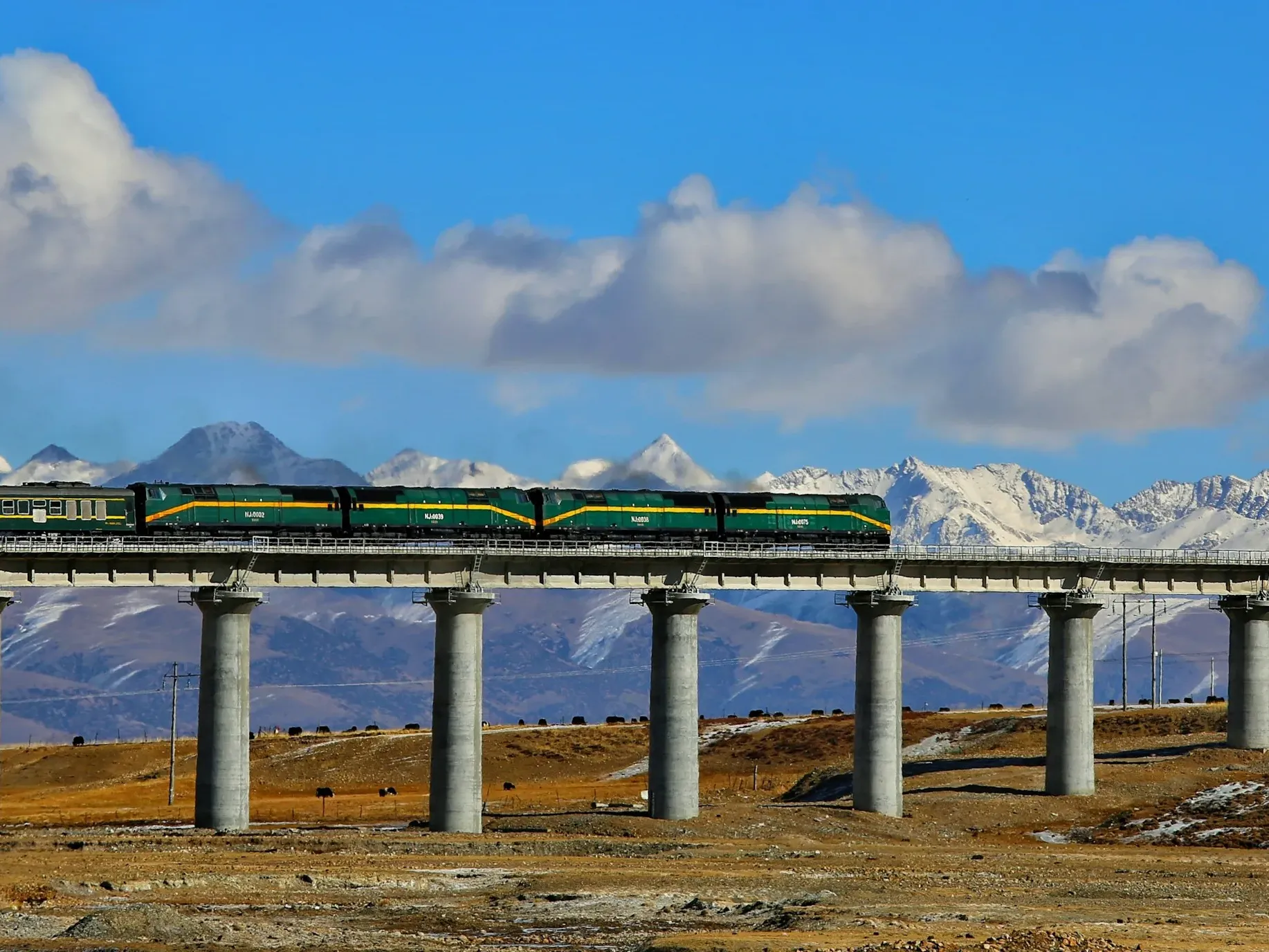
Train journey to LhasaTake the train to Lhasa—one of the world’s highest rail journeys with vast plateau views.
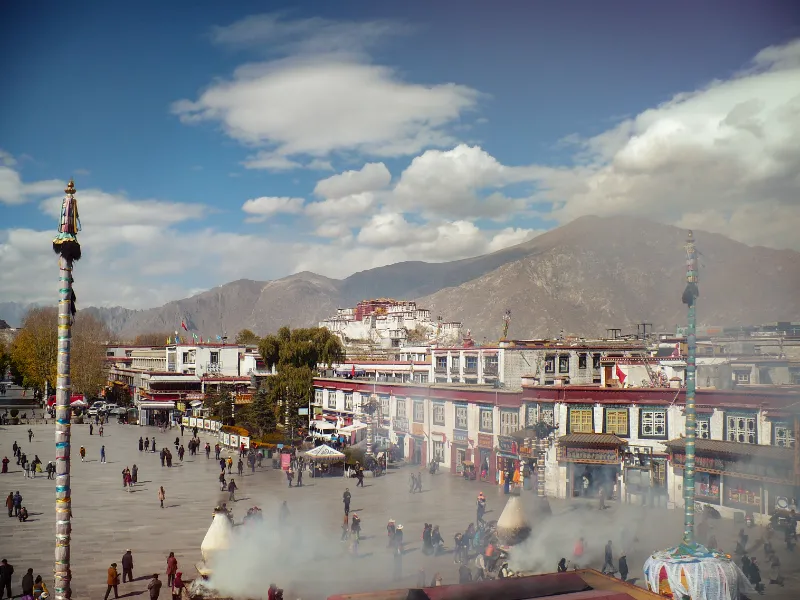
Jokhang TempleVisit Jokhang Temple—Tibet’s spiritual heart with pilgrimage energy and centuries of Buddhist tradition.
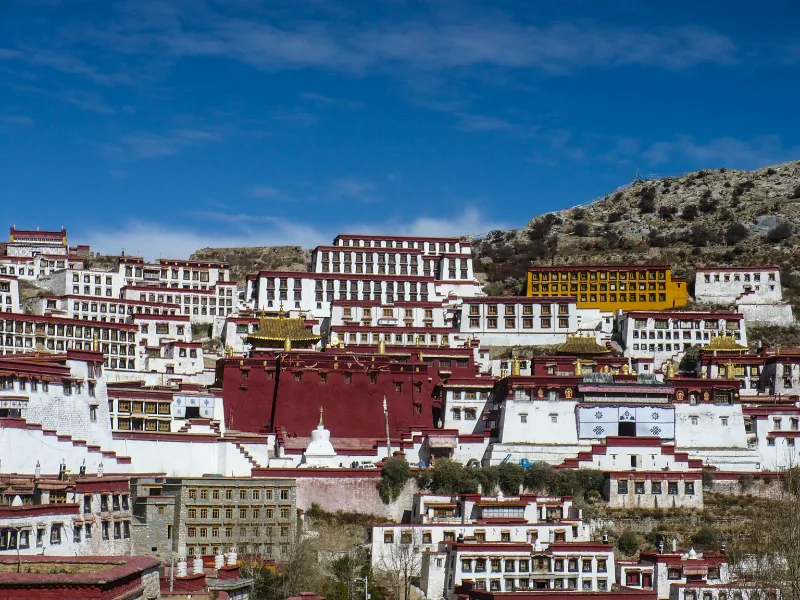
Ganden MonasteryExplore Ganden Monastery—mountain views, prayer halls, and Tibetan Buddhist heritage near Lhasa.
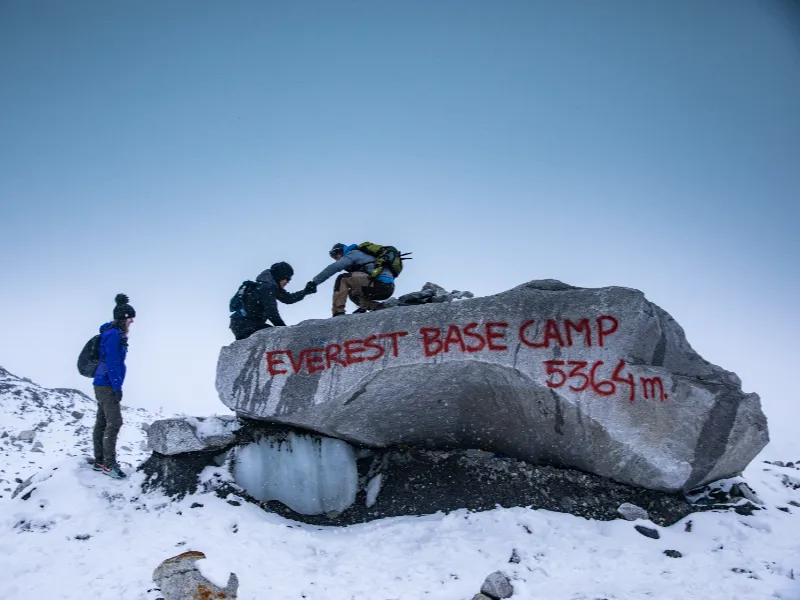
Everest Base CampJourney to Everest Base Camp—Himalayan vistas and a legendary destination beneath the world’s highest peak.
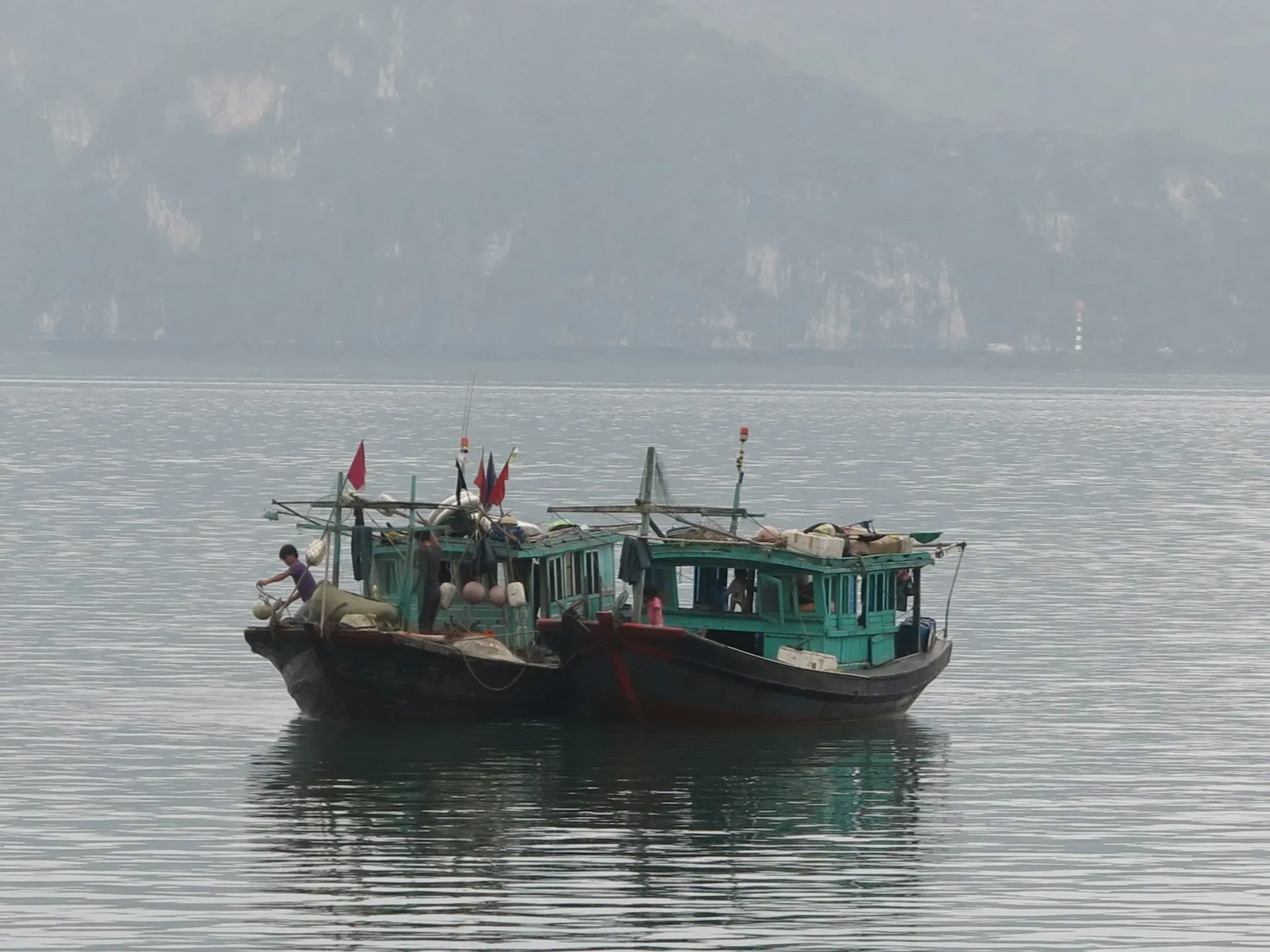
Yarlung Tsangpo boatCruise the Yarlung Tsangpo—scenic waters and Tibetan landscapes along one of Asia’s great rivers.
Best time to travel
Meditation & monk celebrations
Experience the Shoton Festival in Aug, with days of vibrant Tibetan opera performances and traditional yogurt feasts.

Most popular time
Snow-free trekking season is May – October

Most budget-friendly
Cold season is November – April

Favourite season
Most people like to visit during July – August

Culturally significant times
Visit February – March for Losar (Tibetan New Year) and sacred rituals
Need to know
Tibet at a glance

Time Zone
China Standard Time (UTC +8)

Climate
Temperate with four distinct seasons

Currency
Chinese Yuan (CNY)

Transportation
Qinghai-Tibet railway, taxis, cars, and minibuses

Local cuisine
Momos (dumplings), thukpa soup, and yak meat dishes

Languages Spoken
Tibetan
Because planning should feel exciting, not exhausting
Frequently asked questions
Visa requirements may change, so for the most up to date information we recommend using our [Entry Requirements tool](https://www.gadventures.com/travel-and-visa-requirements/). Alternatively, check the Chinese embassy website in your country of departure.
Tibet’s weather is unique due to its high-altitude location, but generally, it has a cold, dry climate with clear skies. Summers (June to August) tend to bring pleasant weather and mild temperatures, with highs of 25°C (77°F) not uncommon in the capital Lhasa. July and August bring the most rain as it’s monsoon season, though this tends to be less severe than the rest of Asia.
Winters (December to February) are cold, with daytime temperatures averaging around 0°C (32°F), though it can get much colder — especially at higher altitudes. Snow is common. Spring (March to May) and Autumn (September to November) fall somewhere in between — the weather tends to be sunny and dry during these times.
May to October tends to be the best time to visit Tibet, as this is the warmest time of year when the weather is at its best and when hiking paths and roads are open and accessible. Expect more crowds during the months of June to August, though you’ll experience longer days. Winters (December to February) — though considered magical due to snowfall — can be very cold, and many roads and paths may be inaccessible.
Traditionally, tipping in Tibet is not expected, and therefore there is no need to tip in restaurants and your general interaction with locals. However, tipping is customary — though not compulsory — in the tourism industry. There are times during the trip where there is opportunity to tip the local guides or drivers we use. You may do this individually, or your CEO may offer to collect the money and tip as a group.
Recommendations for tipping drivers and local guides would range from USD $1–$3 per person, per day depending on the quality and length of the service. Also, at the end of each trip if you felt your G Adventures CEO did an outstanding job, tipping is very much appreciated. The amount is entirely a personal preference, however as a guideline USD $5 per person, per day can be used.
Internet access in Tibet is similar to mainland China, but there are some specific considerations to keep in mind. Like the rest of the country, Tibet is subject to the Great Firewall, which means many websites (such as Google) and social media sites are banned. Internet is generally available in most hotels, cafés, and restaurants in major cities like Lhasa. However, in more remote areas, expect it to be much less reliable or even non-existent.
Yes, ATMs are available in Tibet, though they tend to only be available in larger cities and towns. The capital Lhasa has the most reliable selection.
Most ATMs here accept international credit and debit cards (such as Visa, MasterCard, and occasionally UnionPay), but not all do. It's a good idea to check with your bank beforehand and ensure your card is enabled for international use before travelling.
Please note that you may be charged a transaction fee for withdrawals — check with your bank before you travel. If you’re heading out into more rural areas, it’s a good idea to carry cash with you in case you can’t locate an ATM.
Tibet, like much of China, has a complex relationship with LGBTQ+ issues and people. While it doesn’t have specific laws or policies targeting LGBTQ+ individuals, it has a strong Buddhist culture and is therefore relatively conservative. Public acceptance of LGBTQ+ people can be limited, especially in rural areas or among older generations, and there are no legal protections here even though same-sex relations are legal. Therefore, it pays to be discreet here.
As part of their commitment, all CEOs receive LGBTQ+ inclusion training so every traveller feels respected and welcomed on all of our tours. We commit to making our tours a safe and inclusive place for people to express their authentic selves without judgement, free from any discriminatory language or harassment.
While travelling with G Adventures, all travellers must treat each other with dignity and respect to create an environment that is positive, safe, and where everyone feels welcome. You can find out more via our [LGBTQ+ travel page](https://www.gadventures.com/about-us/lgbtq-travel/).
Tibetan is the official language of the Tibet Autonomous Region (TAR) and is widely spoken by the local population. There are three main dialects spoken depending on where you are in the country. Other languages spoken here include Chinese (Mandarin), Nepali, and Hindi.
In a word, no — the tap water in Tibet isn’t generally safe to drink. You’re best sticking to bottled water which is widely available.
Please note however that all drinks provided on our tours are safe to drink (including drinks with ice), as well as the water in most hotels and restaurants visited on tour. If in doubt, please ask your CEO for further info.
Tibet is generally considered pretty safe for travelers, but like any country, it’s important to be aware of specific safety considerations. Petty crime here is rare, though the area is a politically-sensitive region due to its complex relationship with China and the Tibetan independence movement. Avoid talking about politics and be respectful of local customs to avoid unwarranted attention. Altitude sickness can also be a problem here — it’s wise to stay hydrated, avoid over-exercising and acclimatise gradually.
G Adventures takes all reasonable measures to ensure your safety and enjoyment while travelling with us. All of the included activities are properly vetted and regularly checked by us, and we take great care in choosing the right transportation, stays throughout your trip, and guides leading your tour. However, there are always inherent risks when travelling — you can find out more via our [Travel Safety page](https://www.gadventures.com/travel-resources/safety/).