South Korea Trips & Small Group Tours in 2026
한국에 오신 것을 환영합니다!
The highlights of visiting South Korea vary from white-sand beaches to its achingly cool capital and interacting with hospitable Korean people. No trip is complete without a visit to the DMZ.

Things to do and see
Experiences that define South Korea
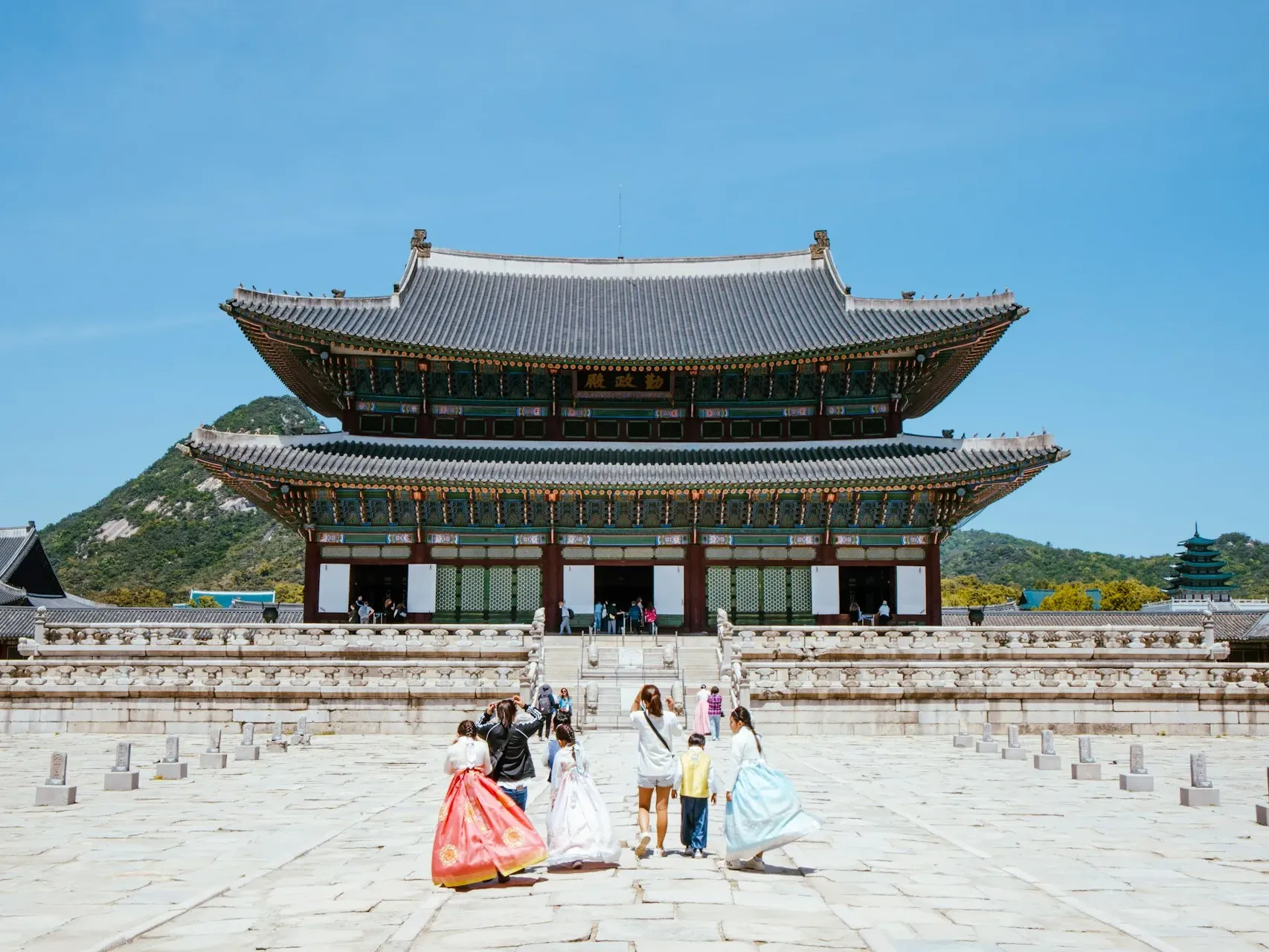
Gyeongbokgung PalaceVisit Gyeongbokgung Palace—royal gates, traditional pavilions, and Seoul’s most iconic Joseon-era landmark.
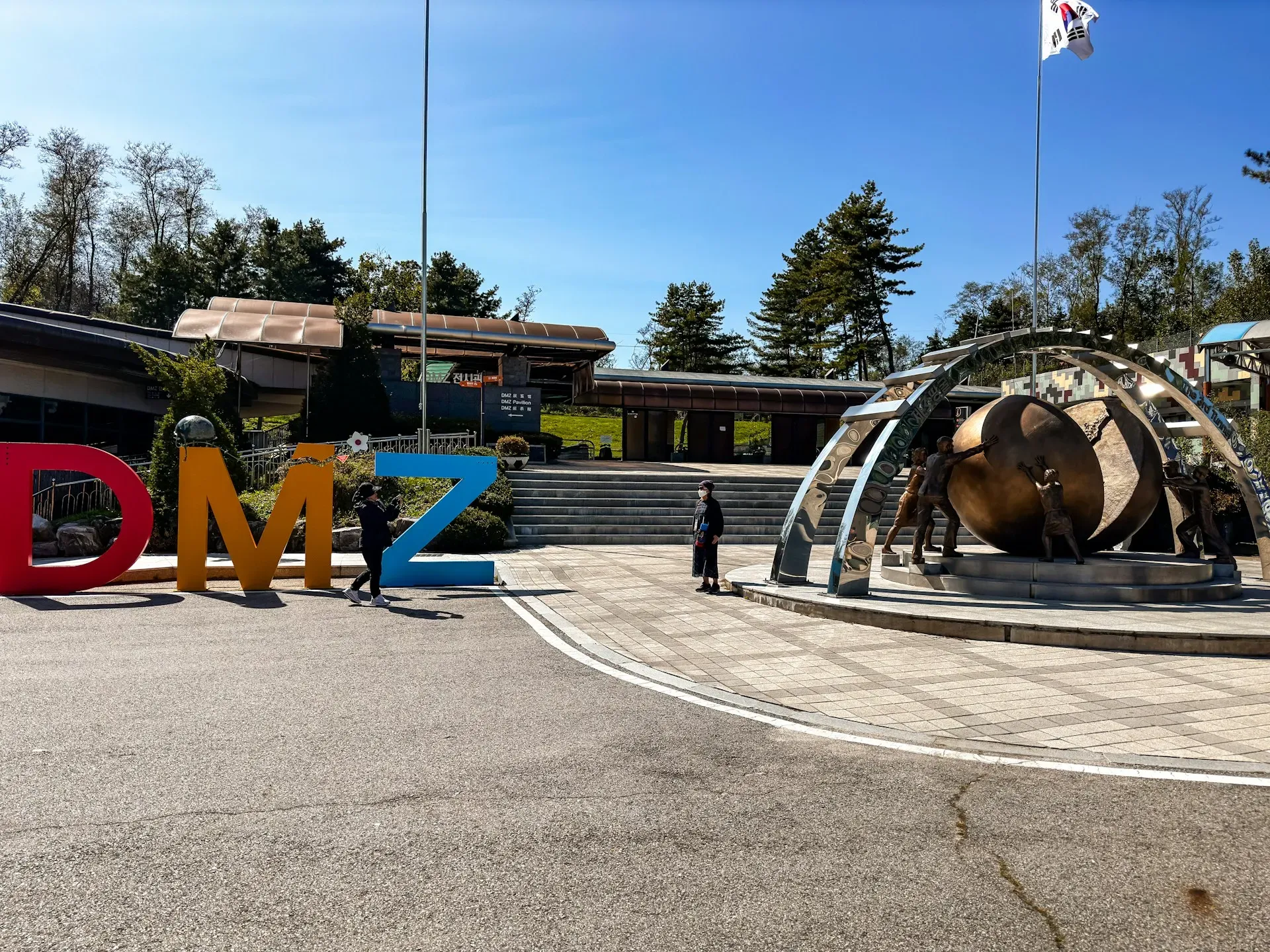
DMZVisit the DMZ—border history, viewpoints, and a fascinating look at the Korean Peninsula’s modern story.
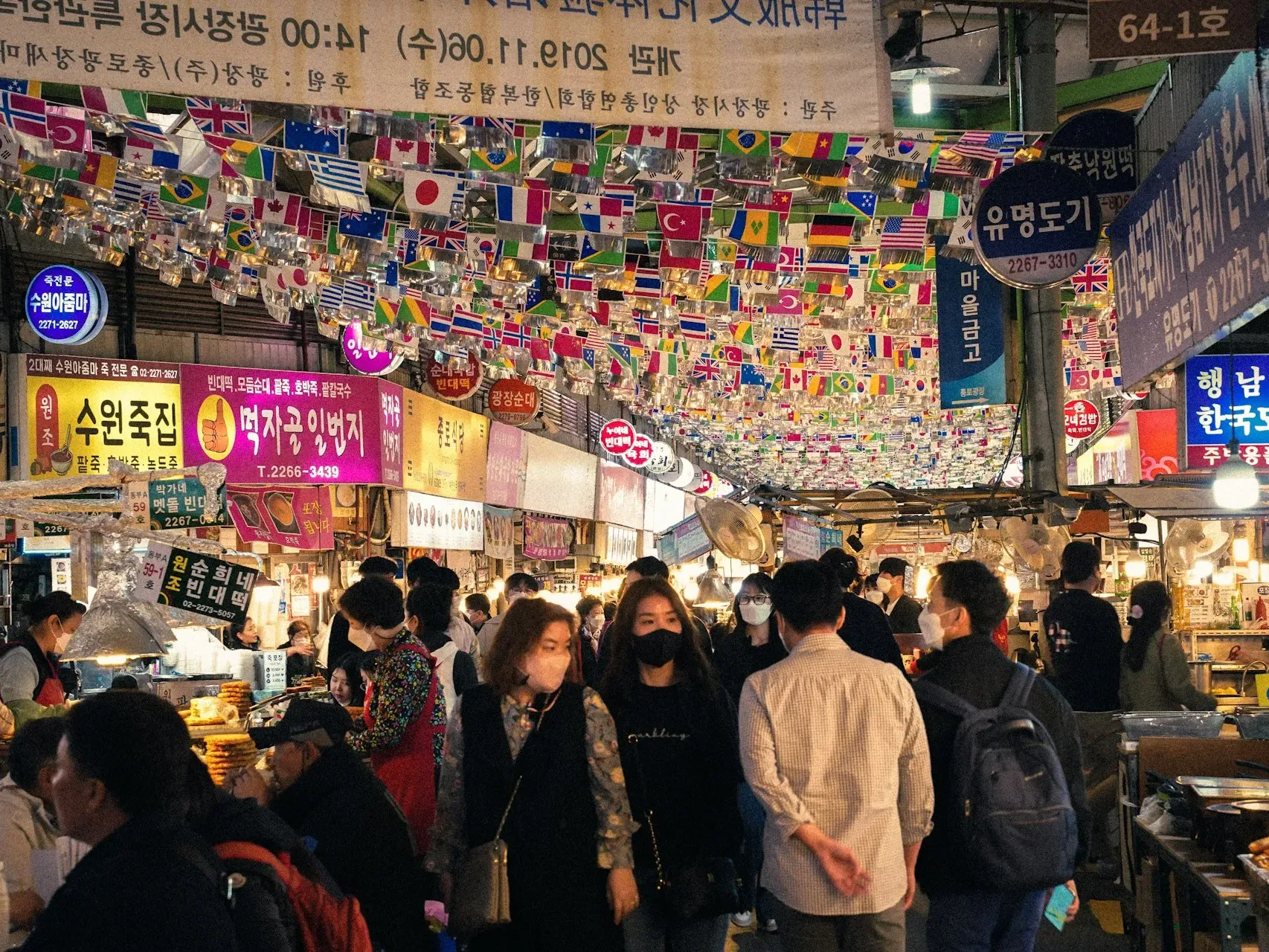
Seoul night marketExplore a Seoul night market—street food, neon energy, and late-night shopping in Korea’s capital.
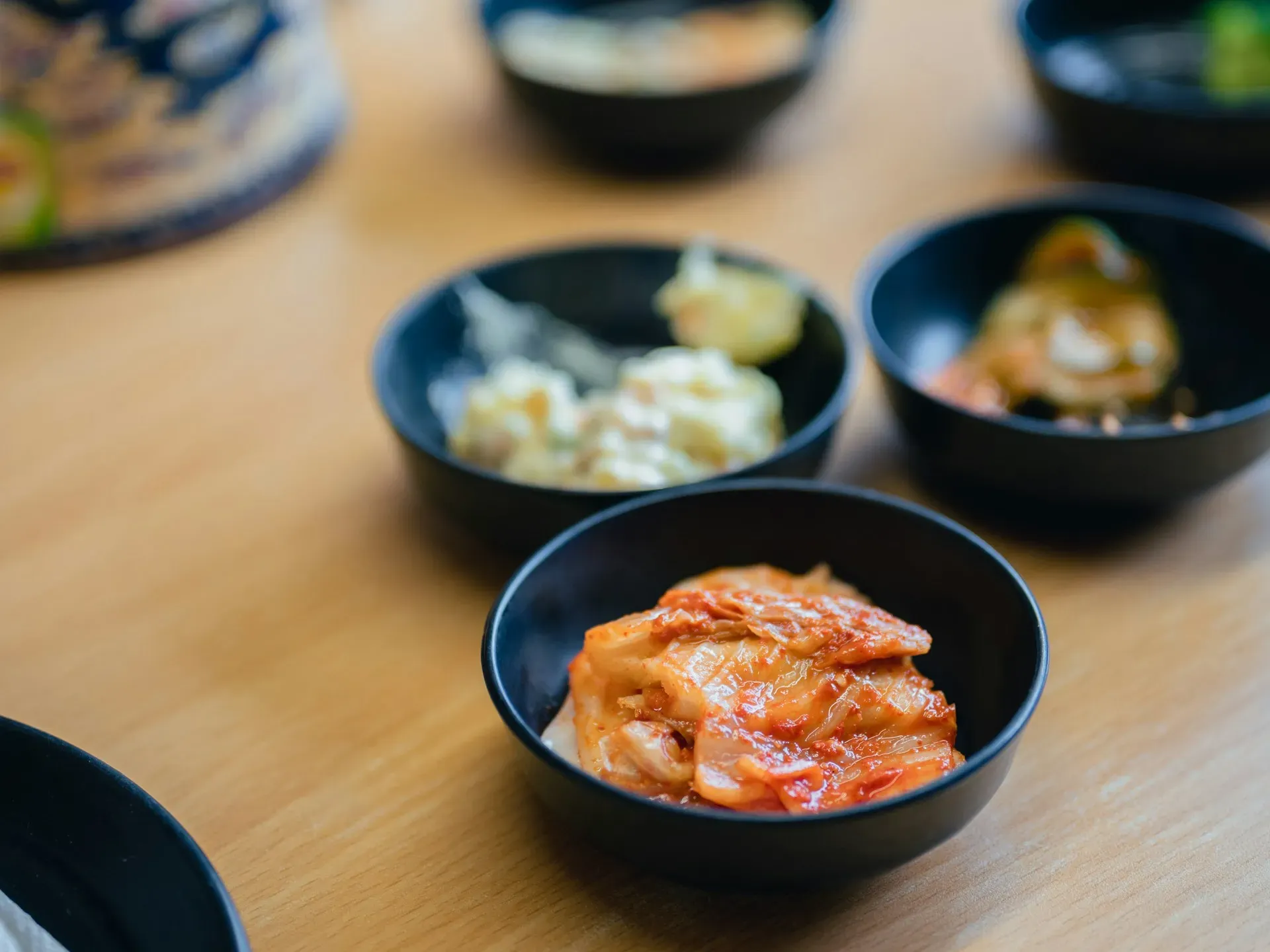
Kimchi-making classTake a kimchi-making class—learn Korea’s signature dish with fermentation tips and hands-on flavours.

KTX bullet trainRide the KTX—Korea’s high-speed train linking cities fast, smooth, and efficient.
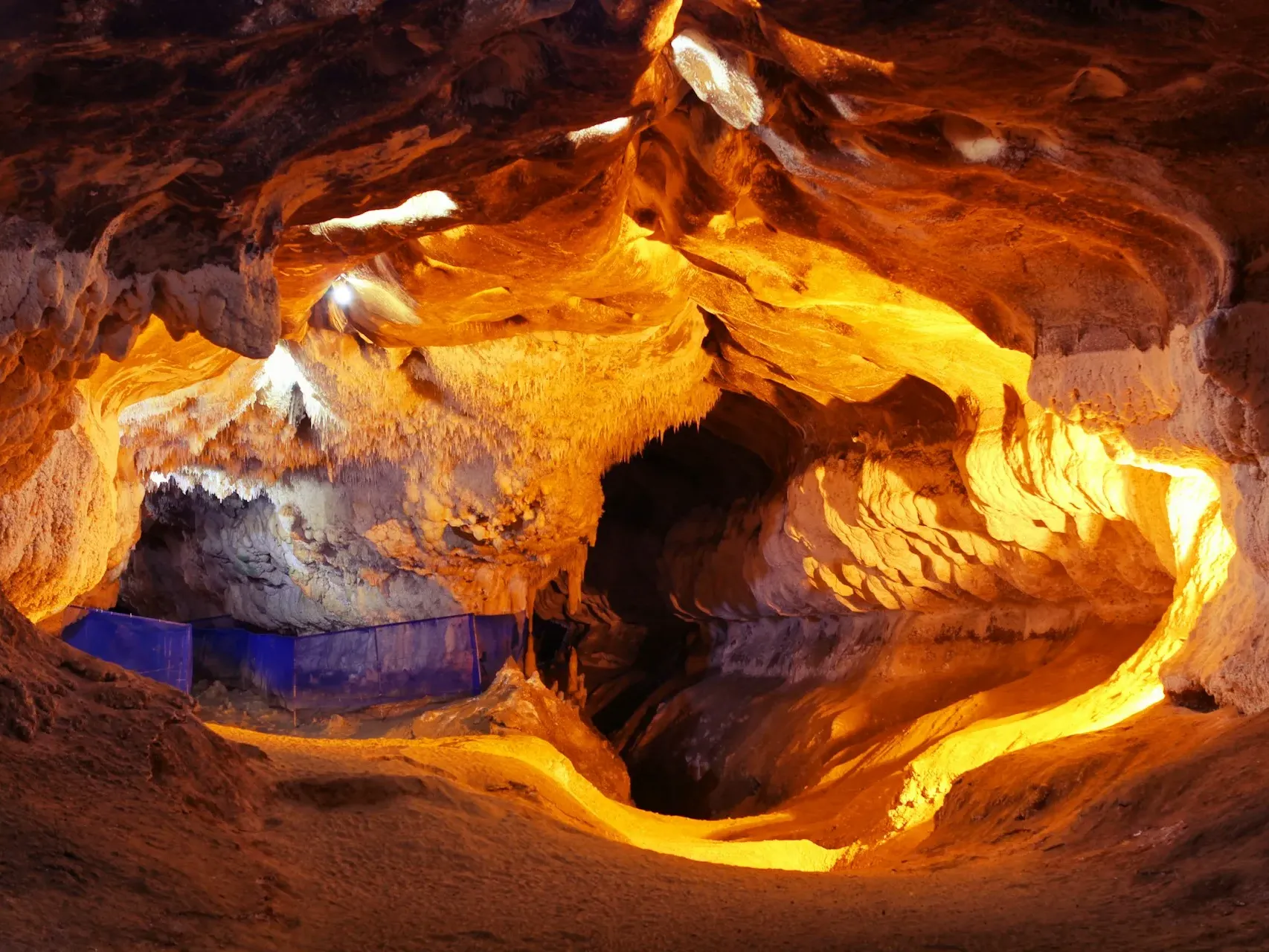
Jeju Lava Cave tourTour a Jeju lava cave—volcanic tunnels, cool interiors, and unique geology on Korea’s island getaway.
Best time to travel
Cherry blossoms & traditional festivals
A tunnel of sakura blooms draws crowds during the Jinhae Cherry Blossom Festival in Apr.

Most popular time
Cherry blossom season is April

Most budget-friendly
Winter season is December - February

Favourite season
Most people like to visit during April

Culturally significant times
Visit September - October for Chuseok harvest festival
Need to know
South Korea at a glance

Time Zone
Korean Standard Time (UTC +9)

Climate
Varied with four distinct seasons

Currency
South Korean Won (KRW)

Transportation
High-speed rail (KTX), subways, buses, taxis, and ferries

Local cuisine
Bibimbap (rice bowl), kimchi, and tteokbokki rice cakes

Languages Spoken
Korean
Because planning should feel exciting, not exhausting
Frequently asked questions
South Korea experiences four distinct seasons — Spring, Summer, Autumn and Winter. Spring (March to May) is mild and pleasant, with temperatures ranging from 10 to 20°C (50 to 68°F). Summers (June to August) are hot and humid, with temperatures often exceeding 30°C (86°F) — expect torrential downpours in July and August.
Autumn (September to November) tends to be mild and dry, with temperatures matching Spring. Finally, winters (December to February) are cold, with temperatures often dropping below freezing — especially in January. Snow is common in some areas, particularly in the northern regions and in mountainous areas too.
While there’s no bad time to visit South Korea, the best times tend to be Spring (March to May) and Autumn (September to November). The weather is at its most pleasant during this time period and Spring brings the cherry blossoms creating beautiful landscapes. Autumn also brings the traditional fall colours, and there are plenty of festivals on at this time of year too.
Tipping in South Korea is not a common practice and is generally not expected. South Koreans often feel that good service should be part of the job, so tipping can sometimes be seen as unnecessary. However, if you really appreciated a service, then rounding up a bill or leaving some loose change will always be appreciated.
Also, at the end of each trip if you felt your G Adventures CEO did an outstanding job, tipping is highly appreciated. The amount is entirely a personal preference, however as a guideline $5 USD per person, per day can be used.
Internet access in South Korea is among the best in the world, characterised by high-speed connections and widespread availability all over the country. There are numerous free public Wi-Fi hotspots throughout the city, including in shopping malls, parks and cafes.
In a word, yes — you’ll find plenty of ATMs all over South Korea — particularly in shopping malls, banks, stations in urban areas, and in tourist areas too. Most accept most international types of cards, but it’s worth checking with your bank provider before you travel to make sure. You may also be charged withdrawal fees. While credit and debit cards are widely accepted, having cash on hand is useful for small purchases, especially in rural areas or at traditional markets.
South Korea has made some progress with LGBTQ+ rights in recent years, but it's still an ever-evolving situation. The country as a whole is fairly conservative, and same-sex marriage is not recongised here. Public displays of affection, whatever the sex, are frowned upon, so it pays to be discreet here. Seoul Pride is an annual event, though it’s often met with backlash.
As part of their commitment, all CEOs receive LGBTQ+ inclusion training so every traveller feels respected and welcomed on all of our tours. We commit to making our tours a safe and inclusive place for people to express their authentic selves without judgement, free from any discriminatory language or harassment.
While travelling with G Adventures, all travellers must treat each other with dignity and respect to create an environment that is positive, safe, and where everyone feels welcome. You can find out more via our [LGBTQ+ travel page](https://www.gadventures.com/about-us/lgbtq-travel/).
The official language of South Korea is Korean, which is spoken by the vast majority of the population. There are several dialects spoken here, including the Seoul, Busan, Jeju, and Gyeongsang dialects. Other languages spoken include English, Japanese, Spanish, Chinese, Vietnamese and Filipino.
Yes, you can drink tap water in South Korea as a general rule. We recommend you bring a reusable water bottle for environmental reasons as there are numerous filling stations.
Please note however that all drinks provided on our tours are safe to drink (including drinks with ice), as well as the water in most hotels and restaurants visited on tour. If in doubt, please ask your CEO for further info.
Yes, South Korea is generally considered a very safe country for travellers to visit. Crime levels are low here, so as long as you take the same precautions you would at home, then you should run into no issues.
G Adventures takes all reasonable measures to ensure your safety and enjoyment while travelling with us. All of the included activities are properly vetted and regularly checked by us, and we take great care in choosing the right transportation, stays throughout your trip, and guides to lead your tour. However, there are always inherent risks when travelling — you can find out more via our [travel safety page](https://www.gadventures.com/travel-resources/safety/).
### Sri Lanka