Philippines Tours & Guided Trips in 2026
Maligayang pagdating sa Pilipinas!
This stunning archipelago of 7,000-plus islands offers bustling cities full of colourful Jeepneys, endless white-sand beaches lined with palms, and emerald green rice terraces to explore.

Things to do and see
Experiences that define Philippines
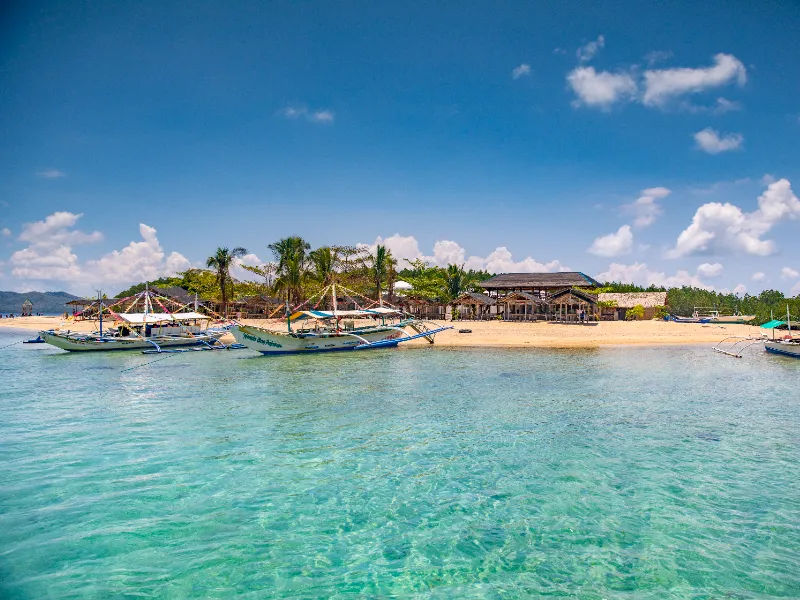
Palawan island-hoppingGo island-hopping in Palawan—lagoons, limestone cliffs, and snorkel stops in the Philippines’ top paradise.
Kawasan Falls swimSwim at Kawasan Falls—turquoise cascades and jungle pools in Cebu, Philippines.
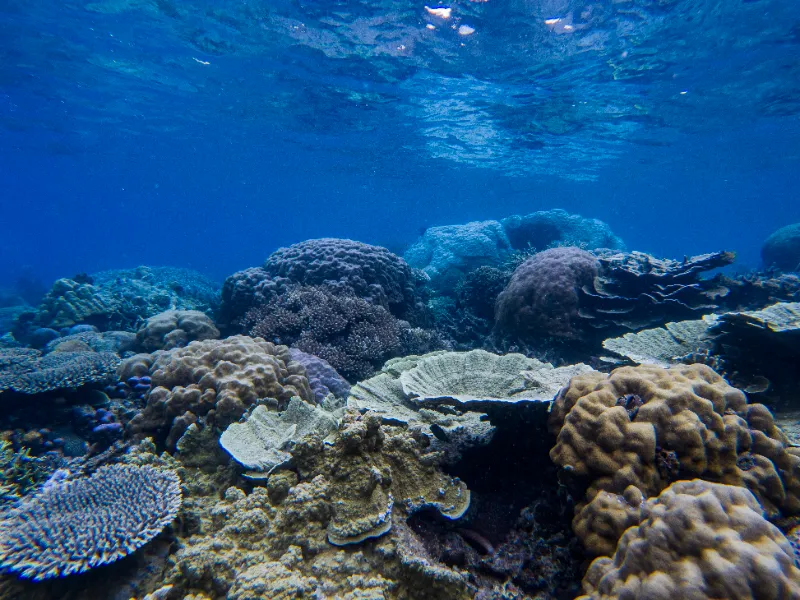
Tubbataha Reef diveDive Tubbataha Reef—world-class coral walls and marine life in a protected UNESCO-listed area in the Philippines.
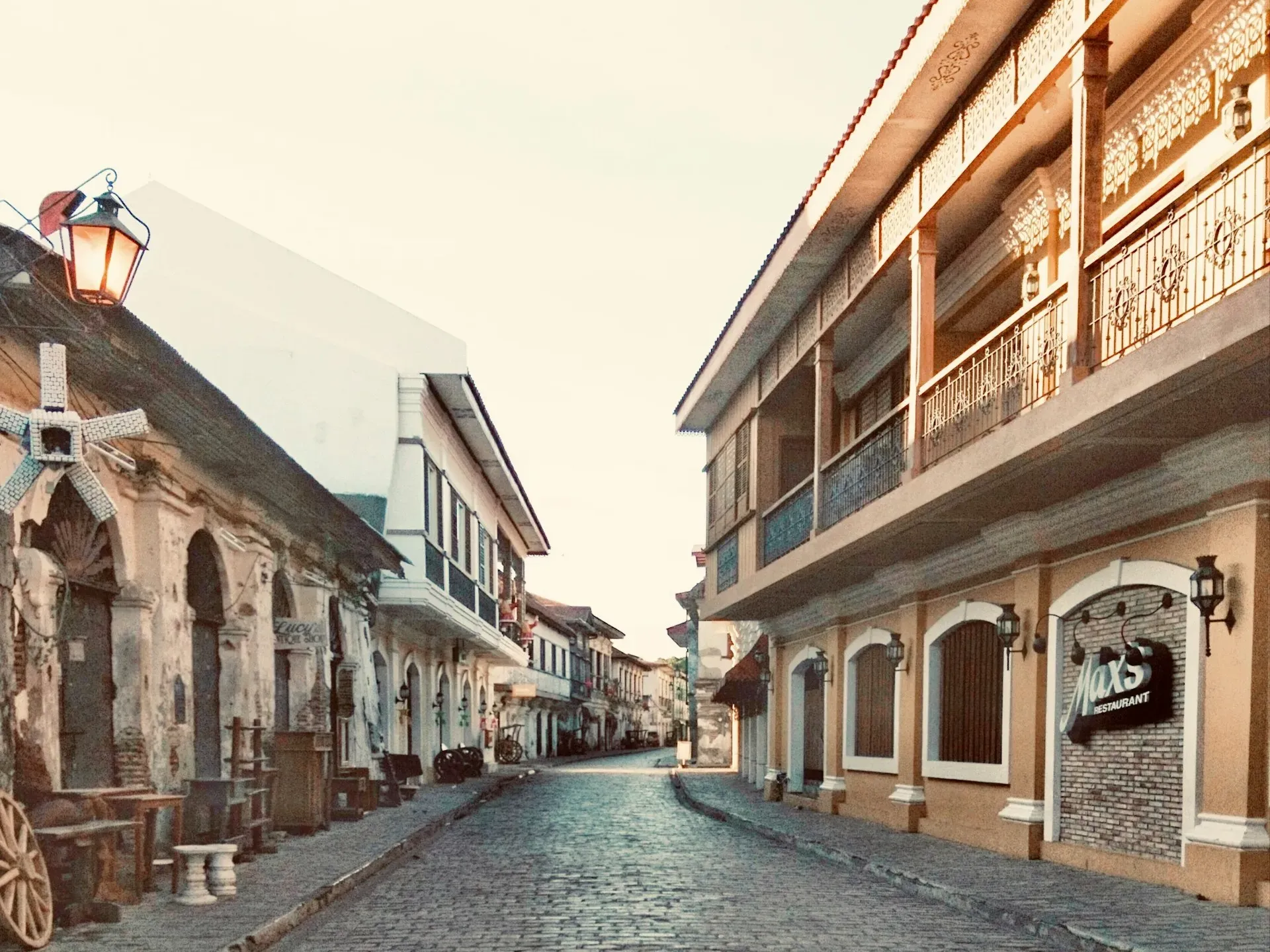
Vigan Heritage walkWalk Vigan—Spanish-colonial streets, heritage houses, and UNESCO-listed charm in the Philippines.
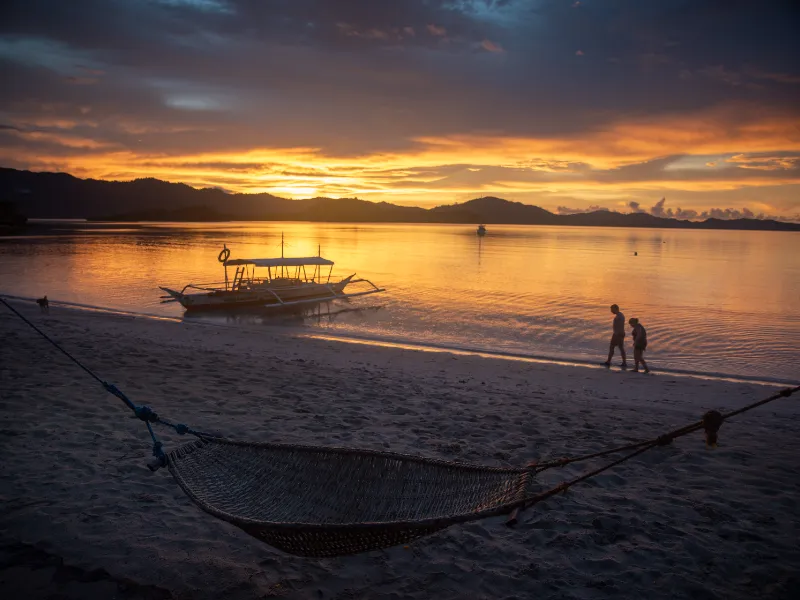
Manila Bay sunsetWatch sunset over Manila Bay—golden skies and waterfront views in the Philippines’ bustling capital.

Eagle sanctuary tourVisit an eagle sanctuary—learn conservation efforts and see iconic raptors up close in the Philippines.
Best time to travel
Beach hopping & traditional festivals
In Jan, experience the Sinulog Festival in Cebu, where vibrant street dances honour Santo Niño. Afterward, it's paradise time on the beach.

Most popular time
Island hopping season is December - April

Most budget-friendly
Rainy season is June - October

Favourite season
Most people like to visit during December - April

Culturally significant times
Visit in January for Sinulog Festival, big Christian celebration
Need to know
Philippines at a glance

Time Zone
Philippine Standard Time (UTC +8)

Climate
Tropical with wet and dry seasons

Currency
Philippine Peso (PHP)

Transportation
Taxis, buses, vans, jeepneys, tricycles, and ferries

Local cuisine
Adobo (soy-vinegar stew), lechon roast pork, and lumpia rolls

Languages Spoken
Filipino, English
Because planning should feel exciting, not exhausting
Frequently asked questions
Visa requirements may change, so for the most up to date information we recommend using our [Entry Requirements tool](https://www.gadventures.com/travel-and-visa-requirements/). Alternatively, check the Filipino embassy website in your country of departure.
Please note that a yellow fever vaccination will be required upon entry if you’re travelling from the following countries in [Africa and Latin America](https://www.fitfortravel.nhs.uk/advice/disease-prevention-advice/yellow-fever/yellow-fever-risk-areas).
Other vaccinations to consider include hepatitis a, hepatitis b, rabies, tetanus, typhoid and polio. However, as advice can often change, you can check out our [Entry Requirements tool](https://www.gadventures.com/travel-and-visa-requirements/) for the most up-to-date details on vaccination requirements.
The Philippines experiences a tropical maritime climate with three distinct seasons: the hot dry season (March to May), the rainy season (June to November), and the cool dry season (December to February). The average annual temperature is around 26°C (79°F), ranging from 22°C (72°F) in the cooler months to around 28°C (82°F) in the warmer months. In terms of rainfall, you can expect the most of it during the months of July to September.
While there’s no bad time to visit the Philippines, the best time to visit is arguably during the dry season, which runs from November to April. During these months, the weather is warm and sunny, making it ideal for sightseeing, beach-hopping, and exploring the islands. December, January and February tend to be the best.
It’s customary in Asia to tip service providers such as waiters, at approximately 10%, depending on the service. Tipping is expected — though not compulsory — and shows an expression of satisfaction with the people who have assisted you on your tour.
There are several times during the trip where there is opportunity to tip the local guides or drivers we use. You may do this individually, or your CEO will offer to collect the money and tip as a group. Recommendations for tipping drivers and local guides would range from USD $1.50-3.50 per person, per day depending on the quality and length of the service; ask your CEO for specific recommendations based on the circumstances and culture. Also at the end of each trip if you felt your G Adventures CEO did an outstanding job, tipping is appreciated. The amount is entirely a personal preference, however as a guideline USD $20-25 per person, per week can be used.
Internet access in the Philippines is fairly good, and it’s certainly been improving in recent years. You’ll find it good in cities and urban areas, but in rural regions, it may be fairly spotty or even non-existent.
Yes — you’ll find plenty of ATMs in the Philippines, especially in urban areas, and major towns and cities like Manila and Cebu. Most accept Visa and Mastercard cards, but it's a good idea to check with your bank before you travel to avoid any issues with your cards and to see if you’ll be charged withdrawal fees. If you’re heading out into rural areas, it’s a good idea to carry cash with you in case you can’t locate an ATM.
The official language of the Philippines is Filipino, which is spoken by the majority of the population. English is also widely-spoken, and there are over 170 regional languages spoken here too — including Waray and Cebuano.
While opinions vary in cities like Manila, the general rule of thumb is that you shouldn’t drink the tap water in the Philippines as a traveller. Stick to bottled water, which is widely available and cheap.
Please note however that all drinks provided on our tours are safe to drink (including drinks with ice), as well as the water in most hotels and restaurants visited on tour. If in doubt, please ask your CEO for further info.