Maldives Tours & Cruises in 2026
މޯލްޑިވްސްގައި އެވެ!
The Maldives gives travellers the opportunity to snorkel in some of the world’s clearest waters, lounge on castaway-style beaches, and experience authentic island culture.

Things to do and see
Experiences that define Maldives
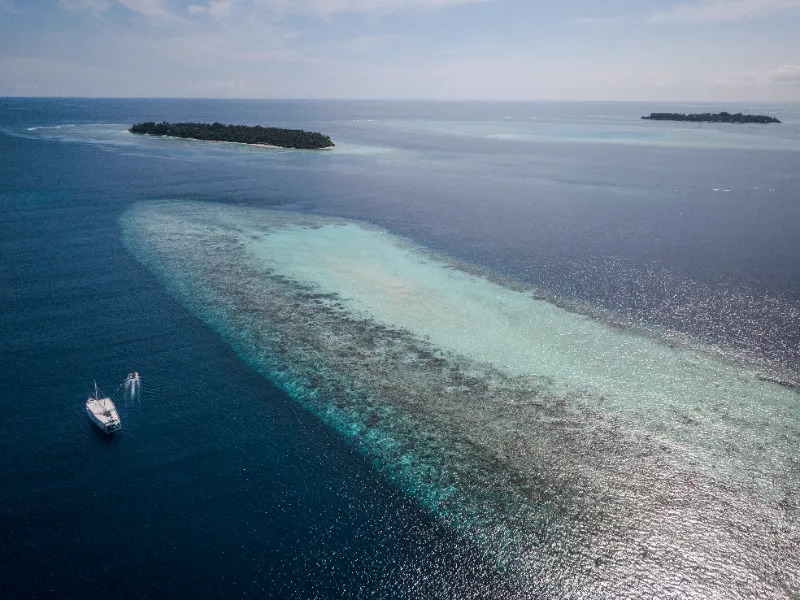
Dhoni cruise daysCruise by dhoni—slow island-hopping days, ocean breezes, and classic Maldivian sailing.
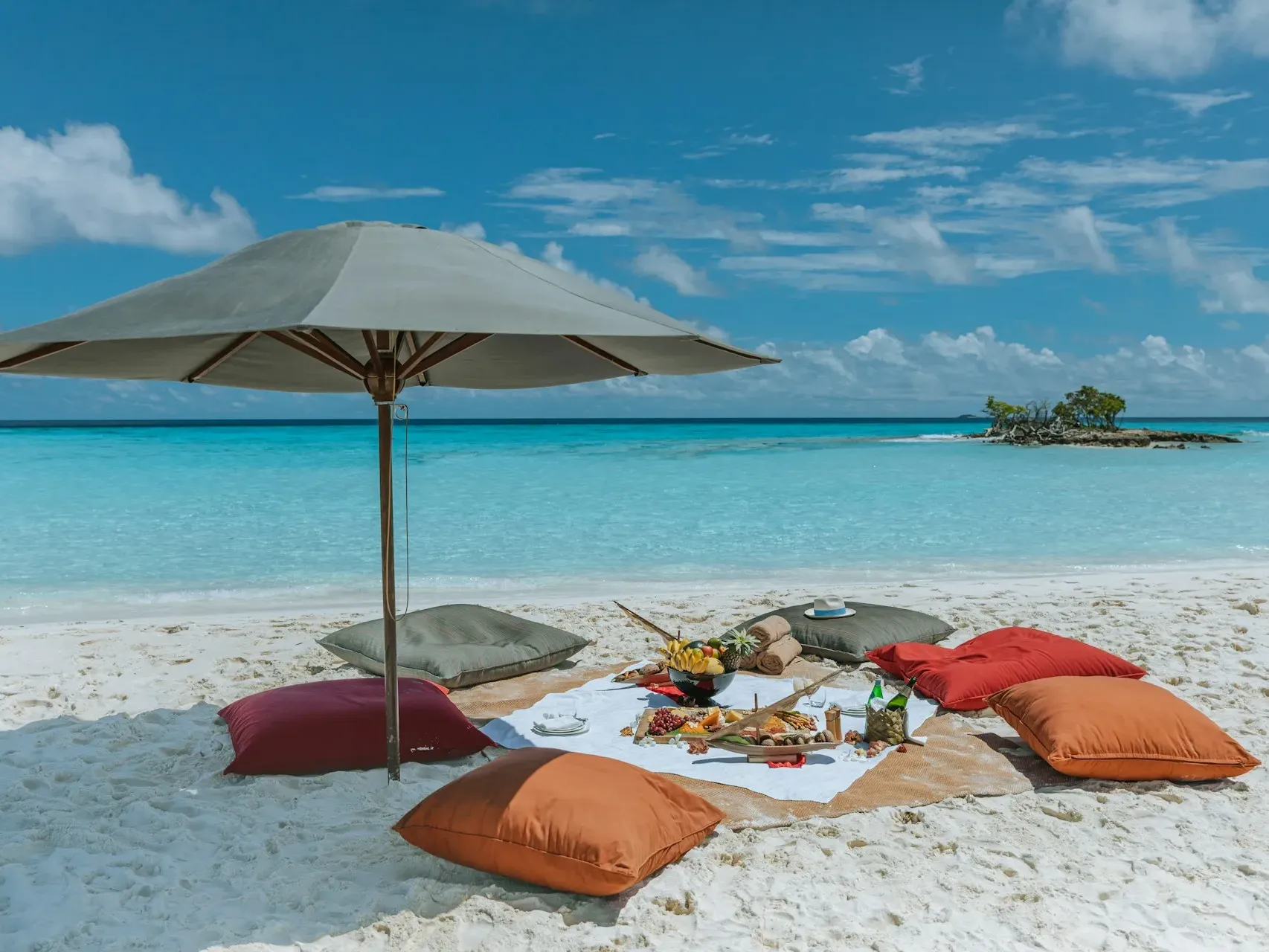
Sandbank picnicEnjoy a sandbank picnic—private white-sand strip, turquoise water, and a dreamy Maldives moment.
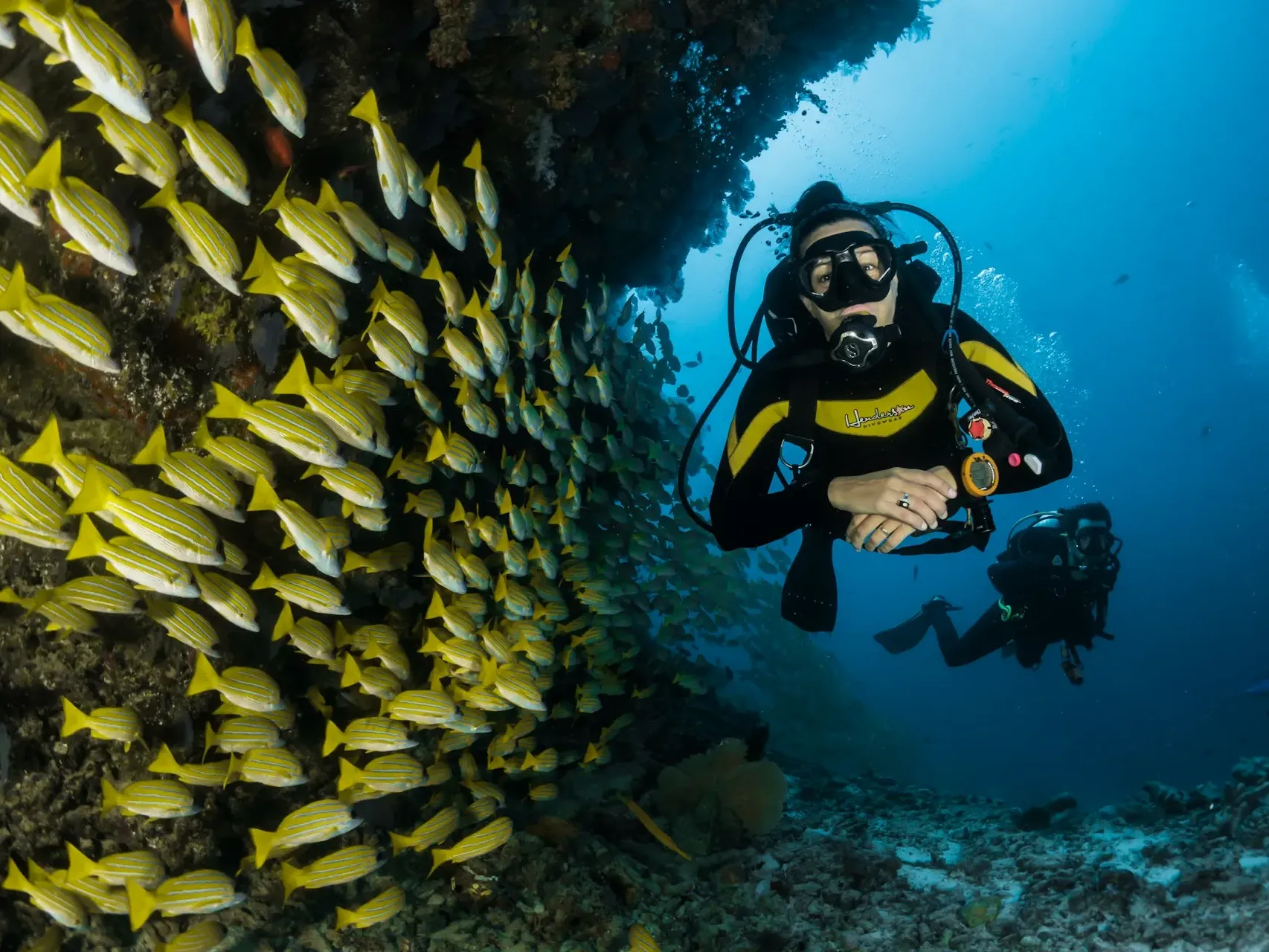
Coral reef snorkelSnorkel coral reefs—bright fish, clear lagoons, and vibrant marine life in tropical waters.
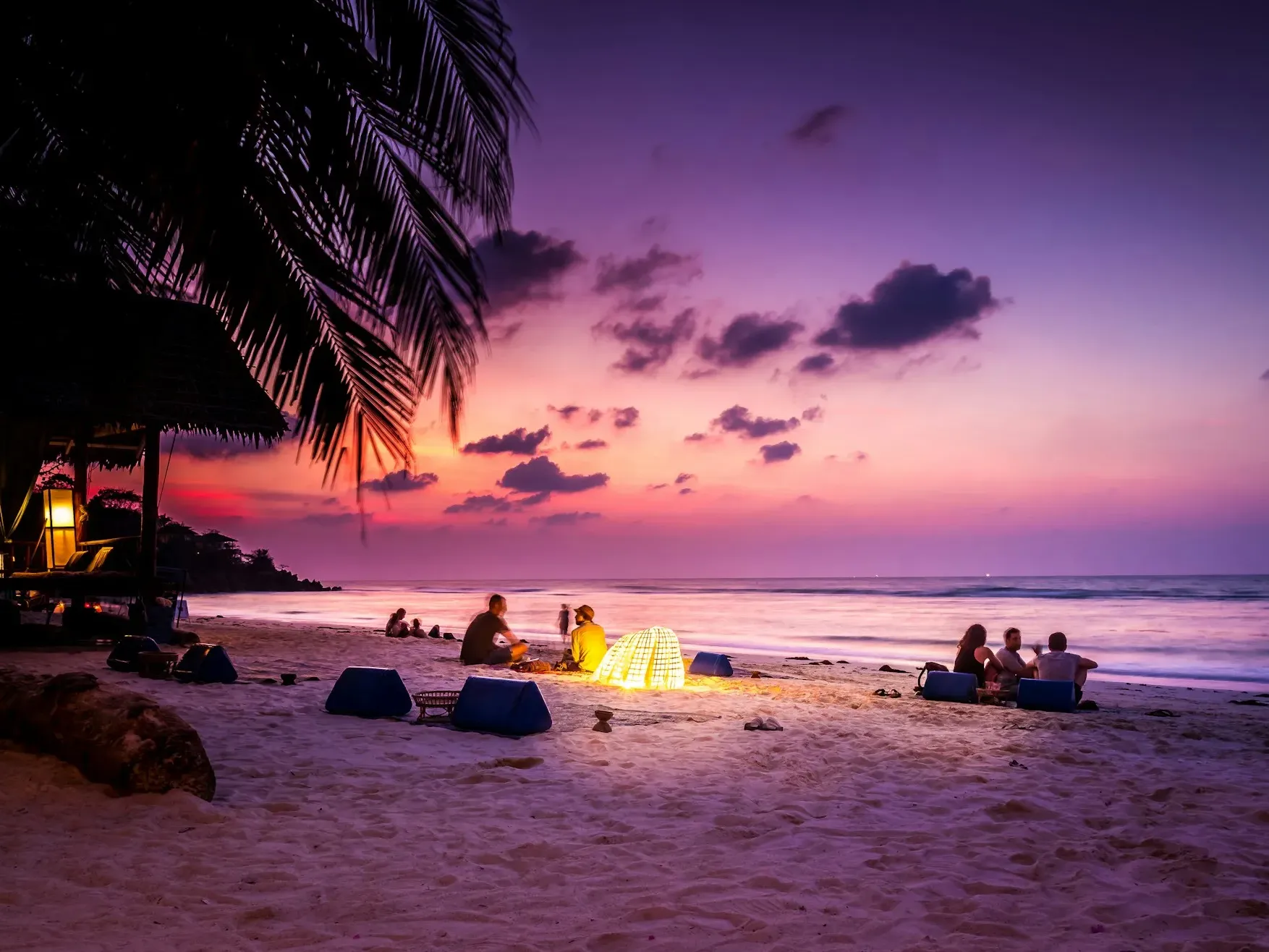
Beach stargazingGo beach stargazing—dark skies, ocean waves, and constellations overhead on a quiet shoreline.
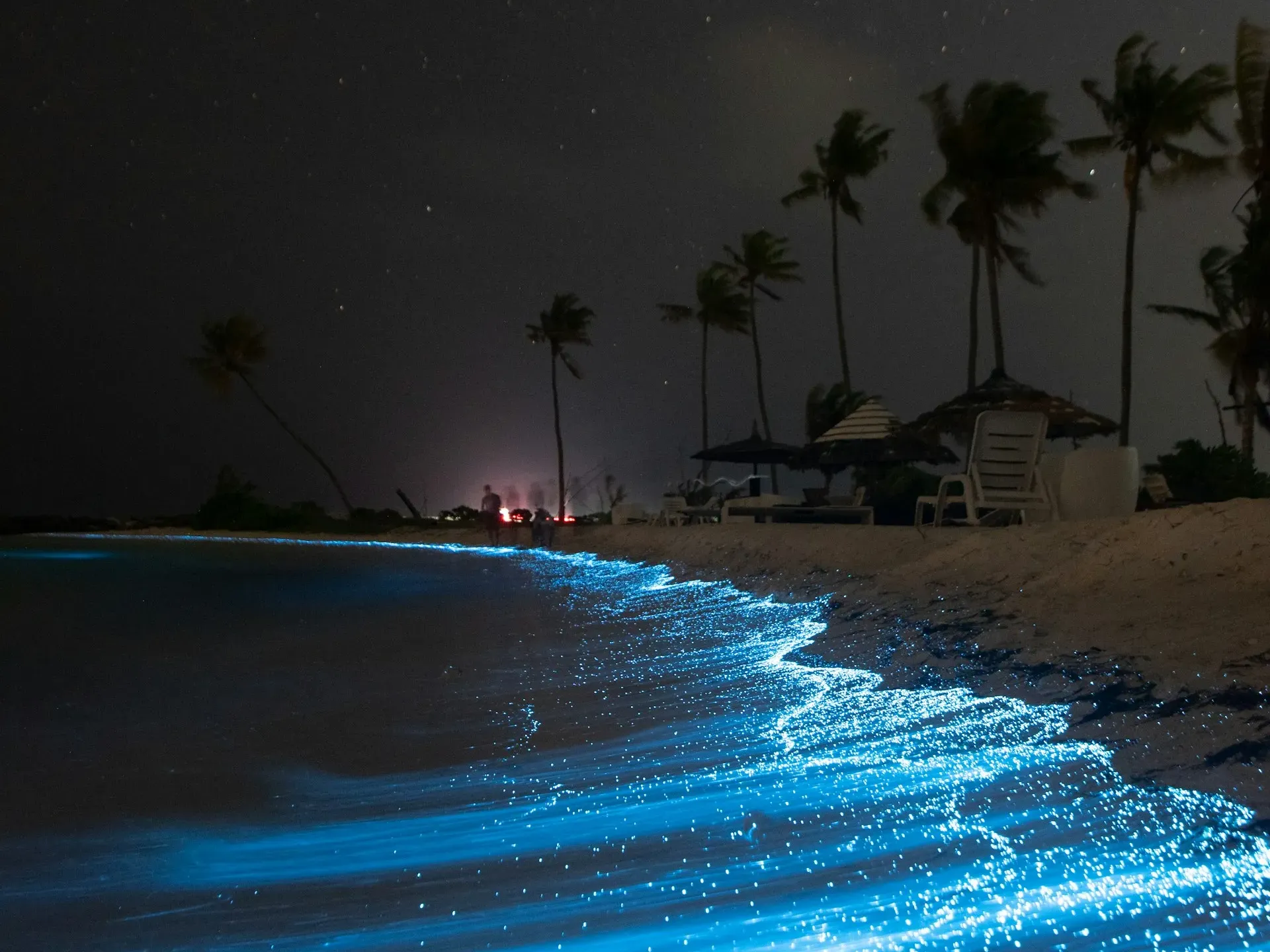
Biolume night swimSwim in bioluminescence—glowing plankton lighting up the water for a magical night-time experience.
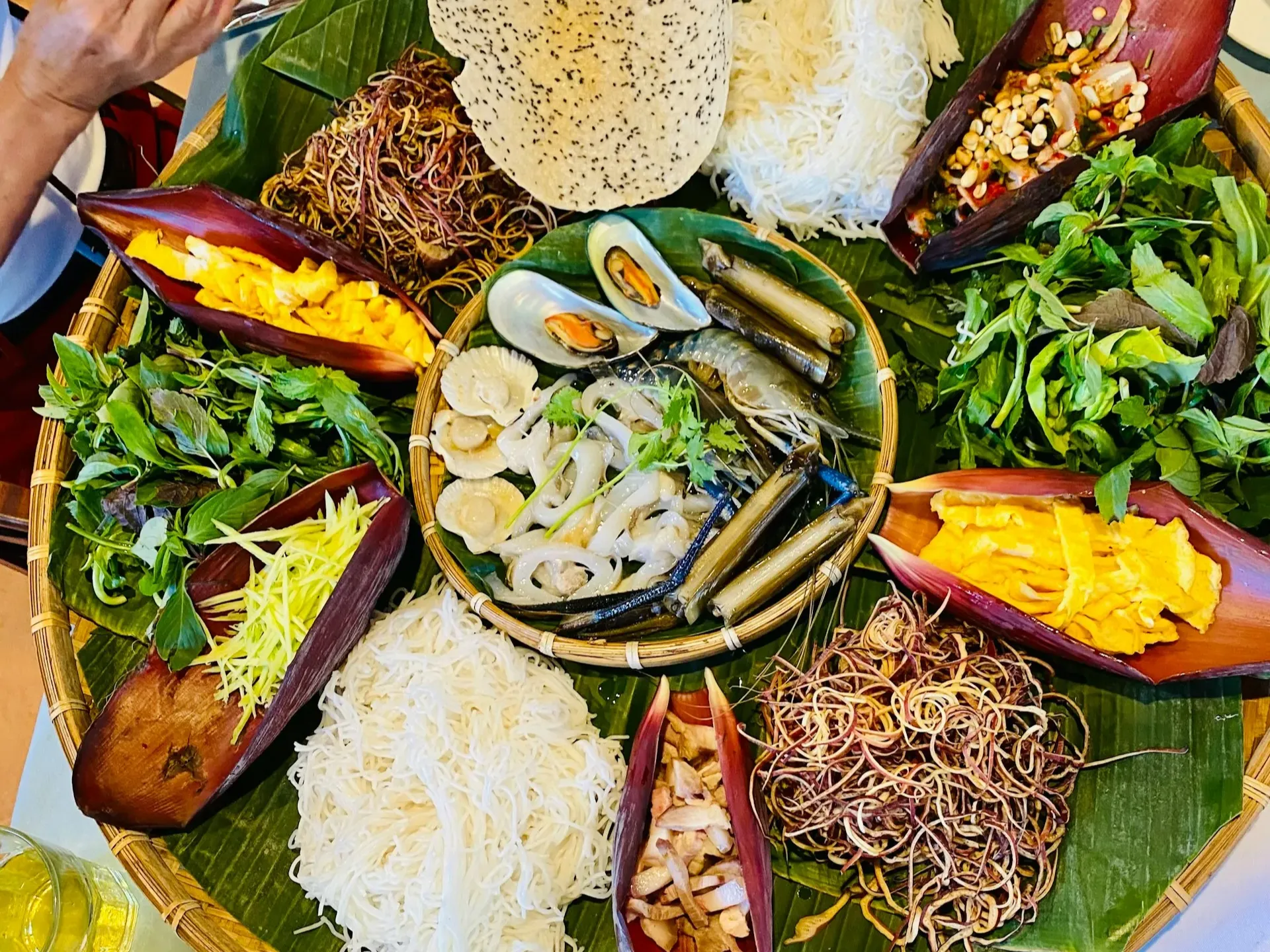
Maldivian feastEnjoy a Maldivian feast—fresh seafood, coconut flavours, and local dishes served island-style.
Best time to travel
Diving & spotting whale sharks
Mar-May is whale shark season, and you can snorkel with gentle giants in clear atoll waters.

Most popular time
Beaches get fully booked December - March

Most budget-friendly
Wet season is May - October

Favourite season
Most people like to visit during December - March

Culturally significant times
Visit in July for Eid al-Adha and traditional island festivities
Need to know
Maldives at a glance

Time Zone
Maldives Time (UTC +5)

Climate
Tropical with wet and dry seasons

Currency
Maldivian Rufiyaa (MVR)

Transportation
Water taxis, speedboats, and seaplanes

Local cuisine
Mas huni (tuna coconut salad), fish curry, and kulhi boakibaa

Languages Spoken
Dhivehi
Because planning should feel exciting, not exhausting
Frequently asked questions
Visa requirements may change, so for the most up to date information we recommend using our [Entry Requirements tool](https://www.gadventures.com/travel-and-visa-requirements/). Alternatively, check the Maldivian embassy website in your country of departure.
Recommended vaccinations include hepatitis a, hepatitis b, typhoid, and tetanus. However, as advice can often change, you can check out our [Entry Requirements tool](https://www.gadventures.com/travel-and-visa-requirements/) for the most up-to-date details on vaccination requirements.
The Maldives has a tropical climate characterised by warm temperatures and high humidity all-year-round. November to April is the dry season, which sees plenty of sunshine and lower levels of rainfall. The wet season runs from May until October, which brings the southwest monsoon and plenty of rainfall and high humidity. Average temperatures typically range from 26 to 32°C (79 to 90°F) — winds are often strongest in June and July.
The dry season, particularly from December to March, is considered peak tourist season and is generally the best time to visit the Maldives. The weather is at its most pleasant during this period, and it’s a great time to go snorkelling, diving, and sailing. May, June, and July tends to bring lower water visibility and more rainfall but higher levels of plankton — which in turn bring whale sharks and manta rays.
It’s customary in Asia to tip service providers such as waiters, at approximately 10%, depending on the service. Tipping is expected, though not compulsory, and shows an expression of satisfaction with the people who have assisted you on your tour. Although it may not be customary to you, it is of considerable significance to the people who will take care of you during your travels.
At the end of your tour, if you felt your G Adventures CEO and crew did an outstanding job, tipping is appreciated. The amount is entirely a personal preference; however, a guideline of USD $10-15 per CEO/crew member per week is recommended (or USD $50-75 in total).
Internet access in the Maldives has improved significantly in recent years, especially in tourist areas. Most resorts and hotels offer Wi-Fi, and many public areas in major islands have internet access. However, speeds and reliability can vary depending on where you are.
ATMs are commonly found in the capital city, Malé, and on popular tourist islands and resorts. Most will accept Visa and Mastercard. Please note that you may be charged withdrawal fees and some ATMs may have withdrawal limits — check with your bank before you travel. Carry cash if you’re heading to a more remote island.
The primary language spoken in the Maldives is Dhivehi, which is the official language here and is spoken by the majority of the population. English is also widely spoken.
In a word, no — the tap water in the Maldives isn’t generally safe to drink. You’re best sticking to bottled water which is cheap and readily available.
Please note however that all drinks provided on our tours are safe to drink (including drinks with ice), as well as the water in most hotels and restaurants visited on tour. If in doubt, please ask your CEO for further info.