Uganda Tours & Safari Trips in 2026
Tusanyuse okukulaba mu Uganda!
Uganda’s natural splendors are numerous and superlative – Africa’s biggest lake, the continent’s most iconic river, and, most famously, the majestic mountain gorilla.

Things to do and see
Experiences that define Uganda
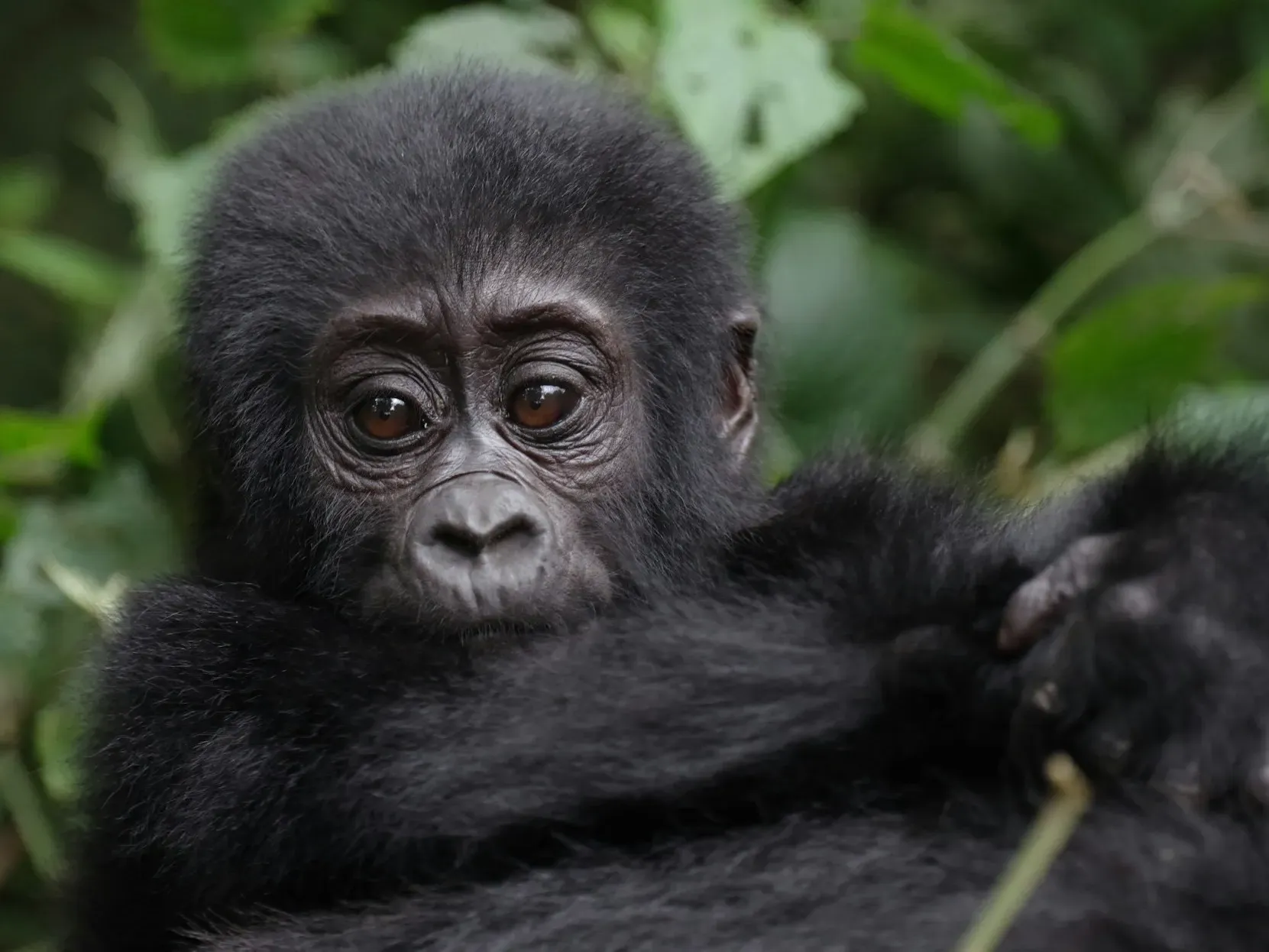
Gorilla trekking adventureGo gorilla trekking—hike rainforest trails for a rare, unforgettable encounter with mountain gorillas.
Nile River raftingRaft the Nile—thrilling rapids and river scenery on one of Africa’s most famous whitewater adventures.
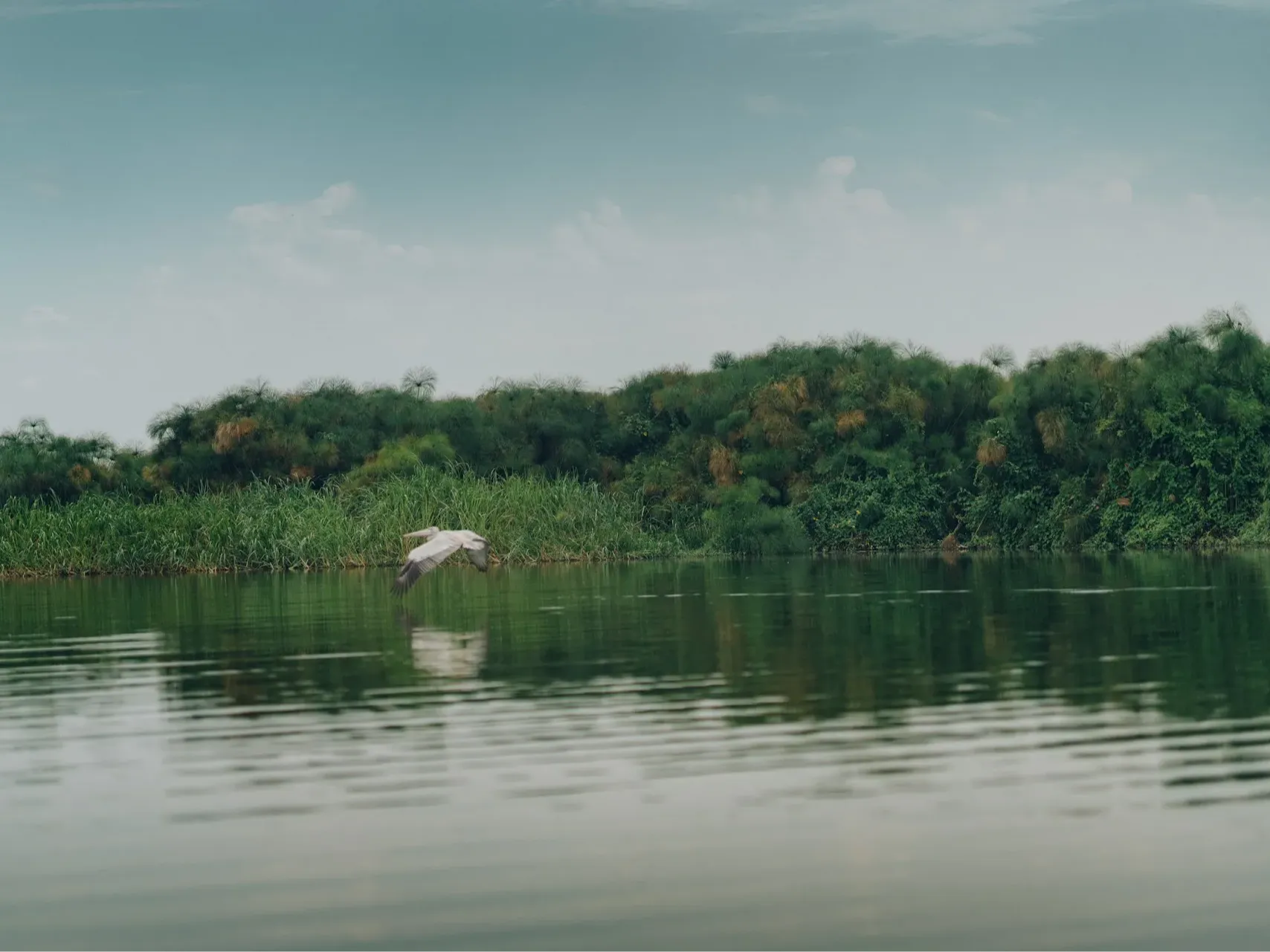
Queen Elizabeth NPSafari Queen Elizabeth National Park—tree-climbing lions, crater lakes, and diverse wildlife in western Uganda.
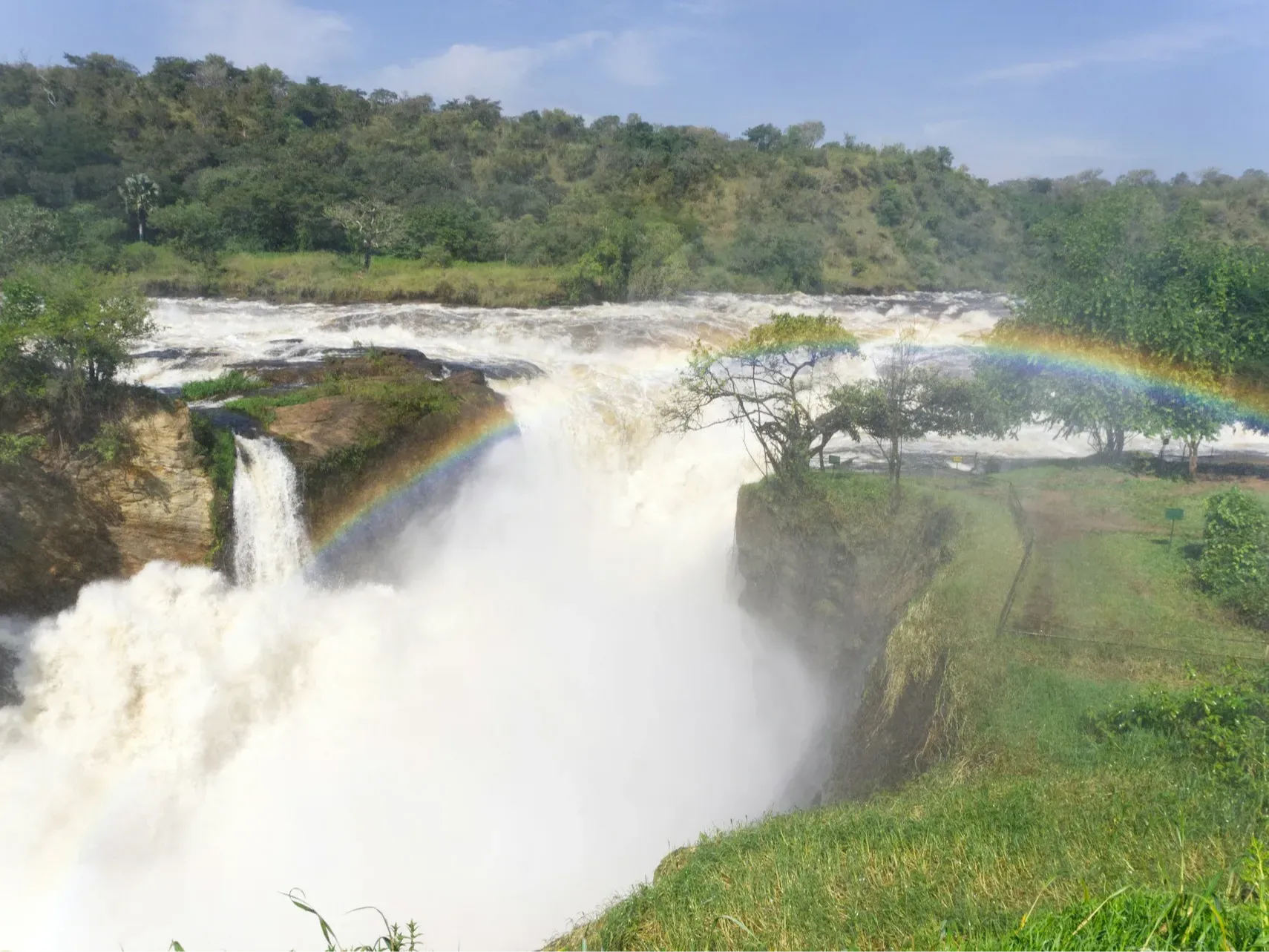
Murchison FallsSee Murchison Falls—powerful Nile waters squeezing through a narrow gorge in Uganda’s spectacular national park.
Kampala nightlifeExperience Kampala nightlife—music, bars, and lively energy in Uganda’s capital after dark.
Rwenzori hikingHike the Rwenzori—misty mountains, alpine terrain, and challenging trails in Uganda’s “Mountains of the Moon.”
Best time to travel
Safaris & Gorilla tTekking
Safaris & Gorilla tTekking

Most popular time
Dry season is December - February and June - September

Most budget-friendly
Rainy season is March - May

Favourite season
Most people like to visit during July - September

Culturally significant times
Visit in October for Independence Day cultural shows, music, and parades
Need to know
Uganda at a glance

Time Zone
East Africa Time (UTC +3)

Climate
Tropical: warm year-round with two rainy seasons

Currency
Ugandan Shilling (UGX)

Transportation
Boda boda, matatus, taxis

Local cuisine
Matoke (cooked bananas), egg wrap, stew, maize, smoked bamboo

Languages Spoken
English, Swahili
Because planning should feel exciting, not exhausting
Frequently asked questions
Uganda experiences a tropical climate all-year-round, and there tends to be little variation in temperatures here throughout the year. Temperatures tend to range from 18 to 30°C (64.4 to 86°F), with an average of 26°C (78.8°F). In terms of rainfall, you can expect two main seasons — March to May and September to November — with annual rainfall averaging between 900mm (35 inches) and 1500mm (59 inches).
The best time to visit Uganda is probably during the dry seasons, which run from December and February to June and August. These periods offer the most pleasant weather, making it ideal for wildlife viewing, hiking, and exploring national parks without the heavy rains.
Tipping isn’t expected in Uganda, though it is very much appreciated and is an important source of income for those within the tourism industry. The usual ballpark figure is around 10% for good service in restaurants and other hospitality venues. If the service is exceptional, then go for 15-20% instead.
You can use this guideline for staff on your tour if you'd like to show appreciation:
* CEO: USD $5-8 per person, per day
* Gorilla trekking guides: USD $2-4 per person, per day
* Driver/Safari guide: USD $5-8 per person, per day
* Local guides: USD $2-3 per person, per day
Internet access in Uganda has been steadily improving in recent years, and you’ll find ok internet in larger towns and cities like Kampala. However, in rural areas like game parks, expect it to be much slower and less reliable.
Yes — there are plenty of ATMs in Uganda, particularly within towns and cities and tourist areas too. Most tend to accept Visa more than Mastercard, so plan accordingly, and check with your bank to find out whether you’ll be charged withdrawal fees. If you’re heading out into rural areas like game reserves, it’s a good idea to carry cash with you in case you can’t locate an ATM.
In a word — no, Uganda is not LGBTQ+-friendly in any sense of the word. It’s illegal to be gay here, and in 2023, the president signed a law making it even punishable by death. It goes without saying then that you’ll need to be discreet here.
As part of their commitment, all CEOs receive LGBTQ+ inclusion training so every traveller feels respected and welcomed on all of our tours. We commit to making our tours a safe and inclusive place for people to express their authentic selves without judgement, free from any discriminatory language or harassment.
While travelling with G Adventures, all travellers must treat each other with dignity and respect to create an environment that is positive, safe, and where everyone feels welcome. You can find out more via our [LGBTQ+ travel page](https://www.gadventures.com/about-us/lgbtq-travel/).
Uganda’s two official languages are Swahili and English, which are spoken by the majority of the population. There are also 40 different indigenous languages spoken here too, including Luganda and Acholi.
No, in a word, the tap water here isn’t safe to drink. We’d recommend only drinking bottled water wherever you are within the country.
Please note however that all drinks provided on our tours are safe to drink (including drinks with ice), as well as the water in most hotels and restaurants visited on tour. If in doubt, please ask your CEO for further info.
Most visits to Uganda are perfectly safe, and the country as a whole generally has low levels of crime. That being said, petty crime like pickpocketing does exist, so use common sense in cities and towns. Malaria is also a risk here, and you should avoid the border with the Democratic Republic of Congo (DRC) due to occasional outbreaks of violence.
G Adventures takes all reasonable measures to ensure your safety and enjoyment while travelling with us. All of the included activities are properly vetted and regularly checked by us, and we take great care in choosing the right transportation, stays throughout your trip, and guides to lead your tour. However, there are always inherent risks when travelling — you can find out more via our [travel safety page](https://www.gadventures.com/travel-resources/safety/).
### Zimbabwe